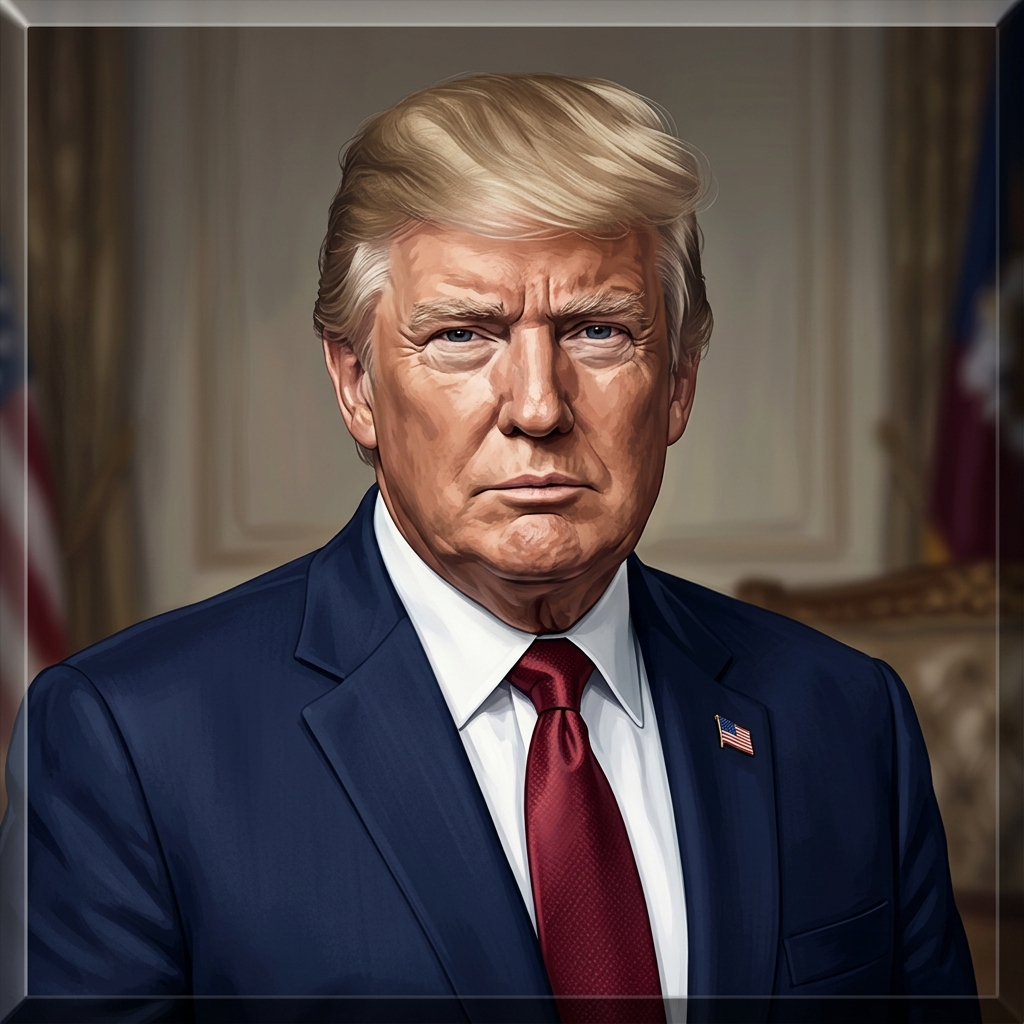
Trump administration
VS
International community
?
No actors in this side.
No actors in this side.
The Trump administration represents the executive branch of the United States government under President Donald Trump, which has pursued restrictive immigration policies affecting international students, including efforts to end Harvard University's ability to enroll international students and measures to revoke student visas.
The international community, in this context, refers to foreign governments, international students, and global academic institutions that are affected by or engaged with U.S. policies on international education and immigration.
The conflict arises from the Trump administration's actions, such as moving to end Harvard's ability to enroll international students and revoking student visas, which international students and their advocates view as targeting and restricting their access to U.S. education.
International students have filed lawsuits challenging the administration's power to revoke visas, while the administration argues its policies are necessary for national security or to combat discrimination.
This clash has placed international students at the center of a legal and political battle, with foreign governments and academic institutions expressing concerns about the impact on global educational exchange.
The stakes involve the future of international education in the United States, the legal boundaries of executive power over immigration, and the country's reputation as a destination for global talent.
The outcome could affect thousands of international students, the financial health of U.S. universities, and diplomatic relations with other nations.
*AI-generated summary of publicly available data. This is not an official statement of any party.
*AI-generated summary of publicly available statements and reporting. This is not an official statement of this party.
Supporters of the Trump administration argue that at UNGA, Trump champions cultural sovereignty—nations defending their own traditions and borders against globalist pressure, not surrendering identity to international bodies.
Supporters of the Trump administration argue that at UNGA Trump defends national sovereignty and cultural identity, rejecting globalist pressure to subsume US interests in international bodies.
Supporters of Trump administration counter that the UN's postwar norms never reflected American cultural sovereignty, and that defending national traditions over multilateral consensus is self-rule, not lawlessness.
Supporters of the Trump administration argue that at UNGA, Trump asserts each nation's sovereign legal right to set its own foreign policy, rejecting binding international constraints.
Supporters of the Trump administration argue that national sovereignty and domestic law take legal precedence over UN resolutions, which they maintain are non-binding and often exceed the Assembly's lawful authority.
Supporters of the Trump administration counter that UN Charter obligations are non-binding on the US without Senate ratification, so the UNGA address merely asserts sovereign legal authority over Iran and Gaza policy.
Supporters of the Trump administration argue that Trump uses the UNGA stage to project unilateral leverage, treating institutions as tools for US interests rather than constraints, since perceived strength, not consensus, moves rivals like Iran.
Supporters of the Trump administration argue that Trump returns to the UN not to seek approval, but to project leverage—using the assembly as a stage to signal that US power, not multilateral consensus, sets the terms on Iran and Gaza.
Supporters of the Trump administration counter that pricing words as mere leverage misreads the room: the withdrawals and threats were executed, not floated, so the international community faces sunk costs, not a bluff to discount.
Supporters of Trump administration argue that sovereignty and moral clarity, not multilateral consensus, best serve peace, citing past appeasement's failures.
Supporters of Trump administration argue that sovereignty and moral clarity, not multilateral consensus, protect nations; they cite past appeasement's failures as proof that confronting Iran and backing Israel is the just course.
Supporters of Trump counter that sovereignty is the moral ground: each nation answers for its own land, and America's environmental record is judged by its people, not UN mandates.
Supporters of the Trump administration argue that its UN stance upholds divine law and religious liberty, citing scripture's call for righteous governance against regimes threatening Israel and the innocent.
Supporters of the Trump administration argue that his UNGA address affirms divine sovereignty over nations, citing scripture that God appoints rulers to uphold justice and peace.
Supporters of the Trump administration counter that scriptural justice demands protecting the innocent from evil, citing Romans 13's grant of authority to bear the sword against aggressors.
*AI-generated summary of publicly available statements and reporting. This is not an official statement of this party.
Supporters of the International community argue that Trump's UNGA return revives a postwar pattern: US power framed as above the UN charter, a cycle seen from Vietnam to Iraq. They see in it precedent for weakened multilateral norms.
Supporters of the International community argue that Trump's UNGA return revives a postwar pattern: great powers seeking unilateral deals over collective norms, echoing past eras when weakened multilateralism let regional conflicts like Gaza and Iran fester.
Supporters of the international community counter that cultural sovereignty has historically been invoked to justify exclusion, and that traditions have always evolved through exchange, not isolation.
Supporters of the International community argue that international law, including UN Charter obligations, binds all states, and they view Trump's UNGA address as a test of whether the US will uphold those legal duties on Iran and Gaza.
Supporters of the International community argue that UNGA remarks must respect legal duties under the UN Charter, including compliance with Security Council resolutions on Iran and Gaza.
Supporters of International community counter that sovereign rights operate within binding treaty law, such as the UN Charter, which nations voluntarily ratify and are legally obligated to uphold.
Supporters of the International community argue Trump's UNGA return is leverage theater: they contend his threats and withdrawals are bargaining chips to extract concessions, not principles, so they treat his words as costs to be priced, not commitments to be trusted.
Supporters of the International community argue that Trump's UNGA return is leverage theater: they maintain that his threats and withdrawals only push rivals like Iran toward China and Russia, eroding US influence while they posture as the stable alternative.
Supporters of the International community counter that unilateral leverage without institutional cover leaves the US isolated when sanctions need enforcement; rivals like Iran concede only when coalitions, not one podium, apply pressure.
Supporters of the international community argue that Trump's UNGA address must reaffirm stewardship of shared ecological systems, since Gaza and Iran conflicts show how war devastates land, water, and climate.
Supporters of the International community argue that Trump's UNGA address must affirm moral duties to protect civilians and ecosystems in Iran and Gaza, since unchecked conflict and ecological harm violate planetary boundaries future generations depend on.
Supporters of the International community counter that moral clarity without shared accountability invites unilateral harm, since planetary crises like climate change respect no border and demand collective stewardship over narrow sovereignty.
Supporters of the International community argue that the UN's founding moral authority, rooted in shared religious commitments to peace, obligates nations to pursue dialogue over unilateral force in Iran and Gaza.
Supporters of the international community argue that Trump's UNGA address should uphold religious freedom and protection of holy sites, citing international law as a moral framework binding nations.
Supporters of the International community counter that scripture also commands mercy, justice, and care for the stranger, so invoking divine law to justify unilateral power or the suffering of Palestinians misreads religious tradition.
AI-generated summary of publicly available statements and reporting. This is not an official statement of this party.
Supporters of the Trump administration argue that at UNGA, Trump champions cultural sovereignty—nations defending their own traditions and borders against globalist pressure, not surrendering identity to international bodies.
Supporters of the Trump administration argue that at UNGA Trump defends national sovereignty and cultural identity, rejecting globalist pressure to subsume US interests in international bodies.
Supporters of Trump administration counter that the UN's postwar norms never reflected American cultural sovereignty, and that defending national traditions over multilateral consensus is self-rule, not lawlessness.
Supporters of the Trump administration argue that at UNGA, Trump asserts each nation's sovereign legal right to set its own foreign policy, rejecting binding international constraints.
Supporters of the Trump administration argue that national sovereignty and domestic law take legal precedence over UN resolutions, which they maintain are non-binding and often exceed the Assembly's lawful authority.
Supporters of the Trump administration counter that UN Charter obligations are non-binding on the US without Senate ratification, so the UNGA address merely asserts sovereign legal authority over Iran and Gaza policy.
Supporters of the Trump administration argue that Trump uses the UNGA stage to project unilateral leverage, treating institutions as tools for US interests rather than constraints, since perceived strength, not consensus, moves rivals like Iran.
Supporters of the Trump administration argue that Trump returns to the UN not to seek approval, but to project leverage—using the assembly as a stage to signal that US power, not multilateral consensus, sets the terms on Iran and Gaza.
Supporters of the Trump administration counter that pricing words as mere leverage misreads the room: the withdrawals and threats were executed, not floated, so the international community faces sunk costs, not a bluff to discount.
Supporters of Trump administration argue that sovereignty and moral clarity, not multilateral consensus, best serve peace, citing past appeasement's failures.
Supporters of Trump administration argue that sovereignty and moral clarity, not multilateral consensus, protect nations; they cite past appeasement's failures as proof that confronting Iran and backing Israel is the just course.
Supporters of Trump counter that sovereignty is the moral ground: each nation answers for its own land, and America's environmental record is judged by its people, not UN mandates.
Supporters of the Trump administration argue that its UN stance upholds divine law and religious liberty, citing scripture's call for righteous governance against regimes threatening Israel and the innocent.
Supporters of the Trump administration argue that his UNGA address affirms divine sovereignty over nations, citing scripture that God appoints rulers to uphold justice and peace.
Supporters of the Trump administration counter that scriptural justice demands protecting the innocent from evil, citing Romans 13's grant of authority to bear the sword against aggressors.
Supporters of the International community argue that Trump's UNGA return revives a postwar pattern: US power framed as above the UN charter, a cycle seen from Vietnam to Iraq. They see in it precedent for weakened multilateral norms.
Supporters of the International community argue that Trump's UNGA return revives a postwar pattern: great powers seeking unilateral deals over collective norms, echoing past eras when weakened multilateralism let regional conflicts like Gaza and Iran fester.
Supporters of the international community counter that cultural sovereignty has historically been invoked to justify exclusion, and that traditions have always evolved through exchange, not isolation.
Supporters of the International community argue that international law, including UN Charter obligations, binds all states, and they view Trump's UNGA address as a test of whether the US will uphold those legal duties on Iran and Gaza.
Supporters of the International community argue that UNGA remarks must respect legal duties under the UN Charter, including compliance with Security Council resolutions on Iran and Gaza.
Supporters of International community counter that sovereign rights operate within binding treaty law, such as the UN Charter, which nations voluntarily ratify and are legally obligated to uphold.
Supporters of the International community argue Trump's UNGA return is leverage theater: they contend his threats and withdrawals are bargaining chips to extract concessions, not principles, so they treat his words as costs to be priced, not commitments to be trusted.
Supporters of the International community argue that Trump's UNGA return is leverage theater: they maintain that his threats and withdrawals only push rivals like Iran toward China and Russia, eroding US influence while they posture as the stable alternative.
Supporters of the International community counter that unilateral leverage without institutional cover leaves the US isolated when sanctions need enforcement; rivals like Iran concede only when coalitions, not one podium, apply pressure.
Supporters of the international community argue that Trump's UNGA address must reaffirm stewardship of shared ecological systems, since Gaza and Iran conflicts show how war devastates land, water, and climate.
Supporters of the International community argue that Trump's UNGA address must affirm moral duties to protect civilians and ecosystems in Iran and Gaza, since unchecked conflict and ecological harm violate planetary boundaries future generations depend on.
Supporters of the International community counter that moral clarity without shared accountability invites unilateral harm, since planetary crises like climate change respect no border and demand collective stewardship over narrow sovereignty.
Supporters of the International community argue that the UN's founding moral authority, rooted in shared religious commitments to peace, obligates nations to pursue dialogue over unilateral force in Iran and Gaza.
Supporters of the international community argue that Trump's UNGA address should uphold religious freedom and protection of holy sites, citing international law as a moral framework binding nations.
Supporters of the International community counter that scripture also commands mercy, justice, and care for the stranger, so invoking divine law to justify unilateral power or the suffering of Palestinians misreads religious tradition.
Trump returns to the UN General Assembly to deliver a speech amid international conflicts.
A report noted that since the beginning of the current Trump administration, international students have increasingly become targets of restrictive policies and actions.
International students continued to file lawsuits challenging the Trump administration's power to revoke student visas, citing the volume and speed of the revocations.
The Trump administration escalated its standoff with Harvard University by moving to end the institution's ability to enroll international students.