Trump administration
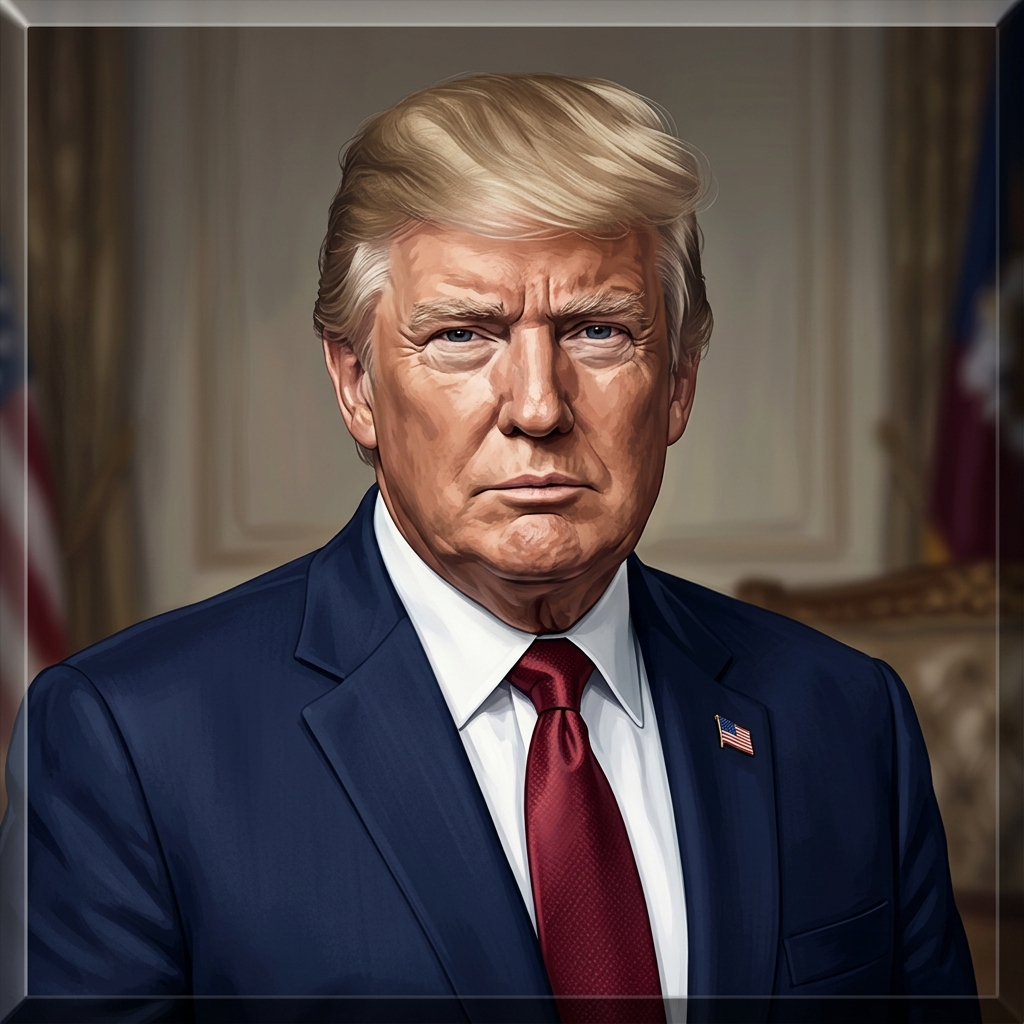
VS
Polysilicon importers

The Trump administration and polysilicon importers are the central parties in this trade dispute.
The Trump administration, led by President Donald Trump, has taken executive action to impose tariffs and minimum import prices on polysilicon, a key material used in solar panels and semiconductors.
Polysilicon importers are companies that bring polysilicon and its derivatives into the United States, relying on foreign sources for their supply chains.
The conflict arises because the Trump administration argues that imports of polysilicon threaten U.S. national security and have eroded the capacity of domestic industry to produce this critical material.
To counter this, the administration has imposed a 15% tariff on products made with polysilicon and set minimum import prices, aiming to protect U.S. producers.
Polysilicon importers, however, face higher costs and potential supply disruptions, which could impact downstream manufacturers and international trade relations.
The stakes are significant, as polysilicon is essential for both solar energy and semiconductor manufacturing.
The administration's actions are part of a broader effort to strengthen U.S. supply chains, but they may raise costs for industries that depend on imported polysilicon and could affect global trade dynamics.
*AI-generated summary of publicly available data. This is not an official statement of any party.
*AI-generated summary of publicly available statements and reporting. This is not an official statement of this party.
Supporters of Trump administration argue that the tariff defends American industrial heritage and national self-reliance, preserving domestic manufacturing as a cultural cornerstone of economic sovereignty against foreign dependency.
Supporters of the Trump administration argue that the polysilicon tariff defends American manufacturing heritage and economic sovereignty, preserving domestic industrial capacity against foreign dependency.
Supporters of the Trump administration counter that each tariff decision responds to current national-security needs, not historical patterns, and they view these measures as a defense of American industrial sovereignty against unfair foreign subsidies.
Supporters of the Trump administration argue the executive order lawfully exercises delegated trade authority to safeguard domestic industries from unfair pricing, framing the 15% tariff as a legitimate remedy under U.S. trade statutes.
Supporters of the Trump administration argue the executive order legally exercises presidential trade authority to safeguard domestic polysilicon production, framing the 15% tariff as a lawful corrective to market-distorting imports.
Supporters of the Trump administration counter that the tariff falls squarely within executive authority under national security provisions, which do not require injury findings. They argue trade law grants the President broad discretion to act on security grounds, not.
Supporters of the Trump administration argue the tariff is raw leverage: forcing domestic buyers to renegotiate supply chains on Washington’s terms, not market whims.
Supporters of Trump administration argue the polysilicon tariff is raw leverage, not economics; the 15% floor forces importers to absorb costs while U.S. producers gain pricing power, and the minimum price checkmates foreign subsidies, securing domestic leverage for future trade.
Supporters of the Trump administration counter that the tariff is a lever to force domestic supply-chain reshoring, not a shield; higher costs for importers are the intended price of breaking foreign dependency.
Supporters of the Trump administration argue the tariff is a moral duty to shield American workers and secure supply chains, prioritizing domestic resilience over cheaper foreign imports.
Supporters of Trump administration argue that shielding domestic polysilicon producers from underpriced imports is a moral duty to protect American workers and strategic supply chains.
Supporters of the Trump administration counter that affordable solar for the developing world means little if it collapses under unfair trade practices, and that protecting domestic manufacturing upholds the moral duty to sustain reliable clean-energy jobs.
Supporters of Trump administration argue that the tariff order honors a sacred duty to safeguard American industry, viewing economic self-reliance as a moral calling that protects workers and families from foreign dependency.
Supporters of the Trump administration argue that the tariff restores a moral order of economic stewardship, viewing the protection of domestic industry as a sacred duty to preserve national self-sufficiency and inherited livelihoods.
Supporters of the Trump administration counter that stewardship of creation also demands just labor and secure supply chains, and that tariffs protect American workers from foreign exploitation.
*AI-generated summary of publicly available statements and reporting. This is not an official statement of this party.
Supporters of Polysilicon importers argue the tariffs repeat a historical pattern of protectionism that historically raised costs for domestic manufacturers, citing past trade barriers that triggered retaliatory cycles and ultimately harmed the very industries they aimed to.
Supporters of Polysilicon importers argue that historical protectionism often backfires, citing Smoot-Hawley’s role in deepening the Great Depression as precedent for how tariffs can harm downstream industries and global cooperation.
Supporters of Polysilicon importers counter that tariffs sever a proud tradition of global exchange, where American innovation once thrived on importing materials to build forward, not retreat behind walls.
Supporters of polysilicon importers argue the tariff exceeds executive authority under trade law, which requires injury findings before import restrictions are imposed.
Supporters of polysilicon importers argue the executive order exceeds presidential authority under trade law, as tariffs require clear statutory delegation to remedy defined injury, not broad industrial policy.
Supporters of Polysilicon importers counter that the executive order exceeds delegated trade authority, as the statute requires a demonstrated injury finding, not a blanket tariff based on policy preference.
Supporters of Polysilicon importers argue the 15% tariff is a calculated power play that shields inefficient U.S. producers at the expense of downstream manufacturers, who now face higher costs and lost global competitiveness.
Supporters of Polysilicon importers argue the tariff is raw political theater, shielding uncompetitive domestic firms while forcing downstream manufacturers to absorb higher costs and lose global market share.
Supporters of Polysilicon importers counter that the tariff merely shifts leverage to foreign suppliers, who hold the patents and capacity, while domestic buyers absorb the cost and lose negotiating power.
Supporters of Polysilicon importers argue that the tariff burdens developing nations’ solar access, undermining the moral duty to enable clean energy globally.
Supporters of polysilicon importers argue the tariffs burden emerging-market solar developers with higher costs, undermining global climate equity. They maintain that protecting domestic industry should not sacrifice poorer nations' access to affordable clean energy, a moral.
Supporters of Polysilicon importers counter that a moral duty extends beyond borders, as punitive tariffs harm global clean-energy cooperation and disadvantaged communities abroad, undermining universal human rights to affordable sustainable power. They argue resilience is.
Supporters of polysilicon importers argue that stewardship of creation calls for affordable clean energy, and tariffs that raise solar costs hinder humanity's duty to care for the earth.
Supporters of polysilicon importers argue that tariffs punish stewardship of creation, as higher costs slow solar adoption and betray the duty to care for the earth.
Supporters of Polysilicon importers counter that stewardship of creation calls for global cooperation, not isolation, citing scripture’s mandate to love the neighbor across borders, and they argue tariffs risk harming the very families they claim to protect.
AI-generated summary of publicly available statements and reporting. This is not an official statement of this party.
Supporters of Trump administration argue that the tariff defends American industrial heritage and national self-reliance, preserving domestic manufacturing as a cultural cornerstone of economic sovereignty against foreign dependency.
Supporters of the Trump administration argue that the polysilicon tariff defends American manufacturing heritage and economic sovereignty, preserving domestic industrial capacity against foreign dependency.
Supporters of the Trump administration counter that each tariff decision responds to current national-security needs, not historical patterns, and they view these measures as a defense of American industrial sovereignty against unfair foreign subsidies.
Supporters of the Trump administration argue the executive order lawfully exercises delegated trade authority to safeguard domestic industries from unfair pricing, framing the 15% tariff as a legitimate remedy under U.S. trade statutes.
Supporters of the Trump administration argue the executive order legally exercises presidential trade authority to safeguard domestic polysilicon production, framing the 15% tariff as a lawful corrective to market-distorting imports.
Supporters of the Trump administration counter that the tariff falls squarely within executive authority under national security provisions, which do not require injury findings. They argue trade law grants the President broad discretion to act on security grounds, not.
Supporters of the Trump administration argue the tariff is raw leverage: forcing domestic buyers to renegotiate supply chains on Washington’s terms, not market whims.
Supporters of Trump administration argue the polysilicon tariff is raw leverage, not economics; the 15% floor forces importers to absorb costs while U.S. producers gain pricing power, and the minimum price checkmates foreign subsidies, securing domestic leverage for future trade.
Supporters of the Trump administration counter that the tariff is a lever to force domestic supply-chain reshoring, not a shield; higher costs for importers are the intended price of breaking foreign dependency.
Supporters of the Trump administration argue the tariff is a moral duty to shield American workers and secure supply chains, prioritizing domestic resilience over cheaper foreign imports.
Supporters of Trump administration argue that shielding domestic polysilicon producers from underpriced imports is a moral duty to protect American workers and strategic supply chains.
Supporters of the Trump administration counter that affordable solar for the developing world means little if it collapses under unfair trade practices, and that protecting domestic manufacturing upholds the moral duty to sustain reliable clean-energy jobs.
Supporters of Trump administration argue that the tariff order honors a sacred duty to safeguard American industry, viewing economic self-reliance as a moral calling that protects workers and families from foreign dependency.
Supporters of the Trump administration argue that the tariff restores a moral order of economic stewardship, viewing the protection of domestic industry as a sacred duty to preserve national self-sufficiency and inherited livelihoods.
Supporters of the Trump administration counter that stewardship of creation also demands just labor and secure supply chains, and that tariffs protect American workers from foreign exploitation.
Supporters of Polysilicon importers argue the tariffs repeat a historical pattern of protectionism that historically raised costs for domestic manufacturers, citing past trade barriers that triggered retaliatory cycles and ultimately harmed the very industries they aimed to.
Supporters of Polysilicon importers argue that historical protectionism often backfires, citing Smoot-Hawley’s role in deepening the Great Depression as precedent for how tariffs can harm downstream industries and global cooperation.
Supporters of Polysilicon importers counter that tariffs sever a proud tradition of global exchange, where American innovation once thrived on importing materials to build forward, not retreat behind walls.
Supporters of polysilicon importers argue the tariff exceeds executive authority under trade law, which requires injury findings before import restrictions are imposed.
Supporters of polysilicon importers argue the executive order exceeds presidential authority under trade law, as tariffs require clear statutory delegation to remedy defined injury, not broad industrial policy.
Supporters of Polysilicon importers counter that the executive order exceeds delegated trade authority, as the statute requires a demonstrated injury finding, not a blanket tariff based on policy preference.
Supporters of Polysilicon importers argue the 15% tariff is a calculated power play that shields inefficient U.S. producers at the expense of downstream manufacturers, who now face higher costs and lost global competitiveness.
Supporters of Polysilicon importers argue the tariff is raw political theater, shielding uncompetitive domestic firms while forcing downstream manufacturers to absorb higher costs and lose global market share.
Supporters of Polysilicon importers counter that the tariff merely shifts leverage to foreign suppliers, who hold the patents and capacity, while domestic buyers absorb the cost and lose negotiating power.
Supporters of Polysilicon importers argue that the tariff burdens developing nations’ solar access, undermining the moral duty to enable clean energy globally.
Supporters of polysilicon importers argue the tariffs burden emerging-market solar developers with higher costs, undermining global climate equity. They maintain that protecting domestic industry should not sacrifice poorer nations' access to affordable clean energy, a moral.
Supporters of Polysilicon importers counter that a moral duty extends beyond borders, as punitive tariffs harm global clean-energy cooperation and disadvantaged communities abroad, undermining universal human rights to affordable sustainable power. They argue resilience is.
Supporters of polysilicon importers argue that stewardship of creation calls for affordable clean energy, and tariffs that raise solar costs hinder humanity's duty to care for the earth.
Supporters of polysilicon importers argue that tariffs punish stewardship of creation, as higher costs slow solar adoption and betray the duty to care for the earth.
Supporters of Polysilicon importers counter that stewardship of creation calls for global cooperation, not isolation, citing scripture’s mandate to love the neighbor across borders, and they argue tariffs risk harming the very families they claim to protect.
The Trump administration was preparing to set a price floor and impose tariffs on polysilicon and related products, according to four sources.
Trump signed a Proclamation to protect America's polysilicon industry and supply chain from imports that threaten national security.
President Trump introduced a 15% tariff on imports of products using polysilicon and set minimum prices for polysilicon and its derivatives under Section 232.
Solar stocks rose after the administration announced a 15% tariff on products made with polysilicon along with minimum import prices.
President Trump signed an executive order imposing a 15% tariff and minimum import prices on polysilicon products.
