Trump administration
VS
US-ROK military officials
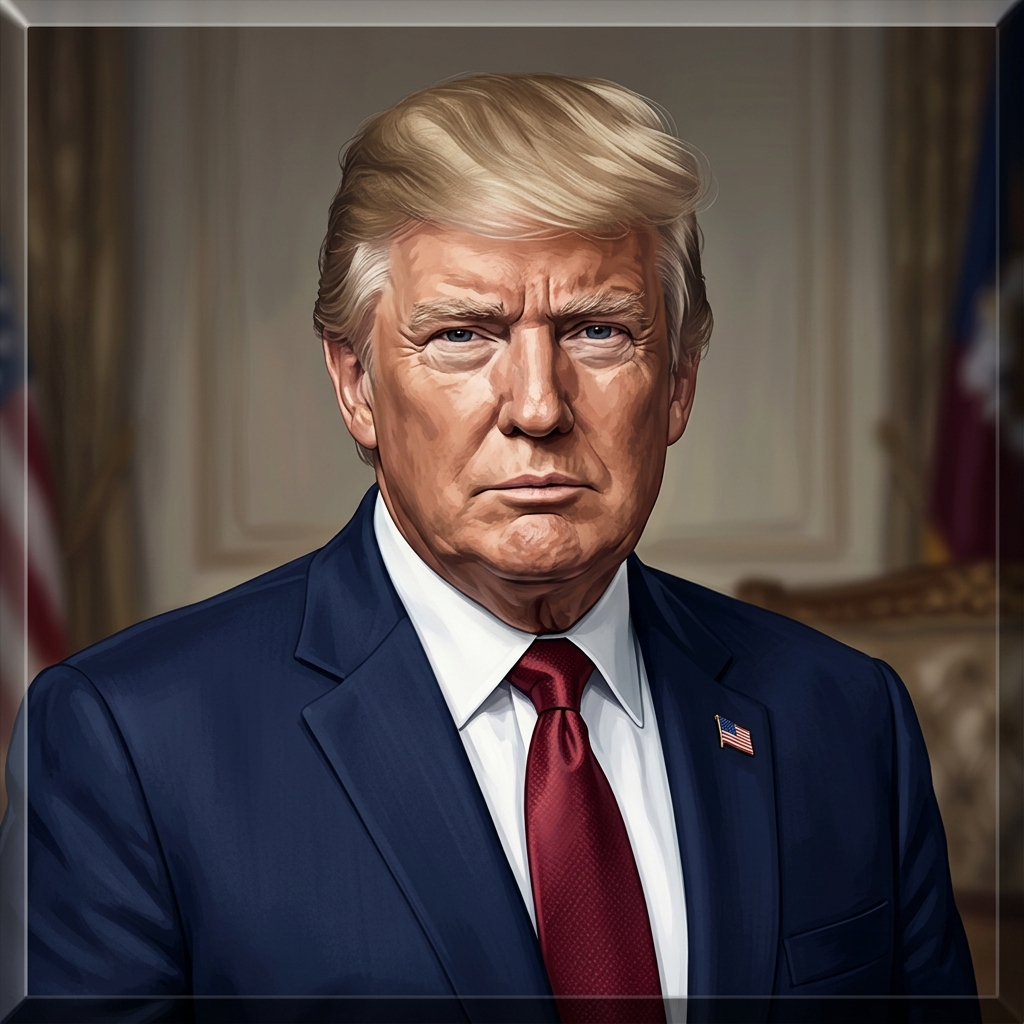
The Trump administration, led by US President Donald Trump, and US-ROK military officials, who represent the military alliance between the United States and South Korea, are at odds over the scale of joint military exercises.
The US-ROK alliance is a longstanding partnership aimed at deterring North Korea, with senior US military officials publicly supporting the alliance's importance.
Trump, however, has cited his 'very good relationship' with North Korean leader Kim Jong Un as a reason to reduce drills.
The conflict arises from Trump's directive to the Defense Department to 'substantially reduce' joint military exercises with South Korea, a move that contradicts the stance of US-ROK military officials who have traditionally emphasized the need for these drills to maintain readiness against North Korean threats.
The decision has sparked debate over whether reducing military readiness in exchange for diplomatic engagement with North Korea is wise, with concerns that it may undermine the alliance's deterrent posture.
*AI-generated summary of publicly available data. This is not an official statement of any party.
*AI-generated summary of publicly available statements and reporting. This is not an official statement of this party.
Supporters of Trump administration argue the drill cuts reflect a cultural shift from provocation to dialogue, citing precedent that summits require trust-building gestures, not just military posturing.
Supporters of the Trump administration argue that scaling back US-ROK drills reflects a cultural shift from reflexive provocation to personal diplomacy, viewing Kim’s respectful response as proof that trust can replace cyclical military posturing.
Supporters of the Trump administration counter that vigilance is not a static tradition but a living practice, redefined by generational shifts in sacrifice and strategy.
Supporters of the Trump administration argue the drill scale-back falls within the president's constitutional authority as commander-in-chief to set military posture, a lawful exercise of executive discretion.
Supporters of Trump administration argue the President’s commander-in-chief authority legally permits scaling back exercises, prioritizing negotiated diplomacy over static readiness protocols.
Supporters of the Trump administration counter that treaty obligations do not mandate specific drill scales, and the president retains constitutional authority as Commander-in-Chief to adjust military exercises for diplomatic purposes.
Supporters of the Trump administration argue the drill cuts are a calculated leverage play, trading symbolic readiness for Kim’s continued engagement while keeping real war-fighting capacity intact.
Supporters of the Trump administration argue the drill cuts are a calculated leverage play, not a concession.
Supporters of the Trump administration counter that drill cuts are a calculated cost-saving measure, not flattery, forcing Seoul to shoulder its fair share of defense while the U.S. retains ultimate escalation authority.
Supporters of the Trump administration argue that suspending drills honors a moral duty to pursue peace over endless provocation, viewing North Korea’s respectful posture as a chance to break a cycle of brinkmanship.
Supporters of Trump administration argue that cutting drills with South Korea honors a moral duty to pursue peace over perpetual readiness, treating North Korea's respect as a chance to end generational conflict.
Supporters of the Trump administration counter that endless drills risk moral complacency by perpetuating conflict, while diplomacy honors lives through peace.
Supporters of the Trump administration argue that scaling back drills with South Korea reflects a faith-based pursuit of peace, honoring divine law over perpetual military readiness.
Supporters of the Trump administration argue that reducing US-ROK drills reflects a faith in diplomatic grace over martial pride, citing scripture’s call to beat swords into plowshares.
Supporters of the Trump administration counter that scripture also commands discerning stewardship, not blind vigilance, as Proverbs warns that wisdom restrains the sword where provocation invites wrath.
*AI-generated summary of publicly available statements and reporting. This is not an official statement of this party.
Supporters of US-ROK military officials argue that scaled-back drills erode the shared cultural commitment to vigilance rooted in decades of allied sacrifice, viewing deterrence as a tradition that diplomacy cannot replace.
Supporters of US-ROK military officials argue that scaling back drills undermines the shared cultural commitment to vigilance rooted in the 1953 alliance, treating readiness as a tradition, not a bargaining chip.
Supporters of US-ROK military officials counter that abandoning drills erodes the cultural bedrock of shared sacrifice and readiness, arguing that trust is forged through disciplined exercises, not symbolic gestures.
Supporters of US-ROK military officials argue that the president's order lacks a legal basis, as scaled-back drills undermine treaty obligations under the US-ROK Mutual Defense Treaty, which mandates credible deterrence against North Korean aggression.
Supporters of US-ROK military officials argue that scaling back exercises violates the mutual defense treaty’s readiness commitments, undermining the legal basis for deterrence and regional stability.
Supporters of US-ROK military officials counter that the commander-in-chief’s authority is bounded by treaty obligations under the US-ROK Mutual Defense Treaty, which mandates joint readiness.
Supporters of US-ROK military officials argue that Trump’s drill cuts trade verifiable deterrence for a dictator’s flattery, a classic power play that weakens allies while gifting Pyongyang leverage.
Supporters of US-ROK military officials argue that Trump’s drill cuts trade verifiable deterrence for Kim’s unproven gestures, ceding leverage that only readiness preserves.
Supporters of US-ROK military officials counter that the drill cuts erode actual deterrence, not just symbolism, since reduced joint exercises directly degrade pilot proficiency and combined response timelines—leverage that loses its value if the threat it deters grows bolder.
Supporters of US-ROK military officials argue that halting drills risks moral complacency, as deterrence safeguards regional lives and honors past sacrifices on the peninsula.
Supporters of US-ROK military officials argue that scaling back drills for diplomatic praise risks abandoning a moral duty to defend allies and deter aggression, treating readiness as negotiable rather than a safeguard.
Supporters of US-ROK military officials counter that suspending drills abandons a moral duty to protect allied lives, as readiness deters aggression and honors fallen troops’ sacrifice, not provocation.
Supporters of US-ROK military officials argue that readiness honors a sacred duty to protect allies, as scripture warns against sleeping while the enemy watches.
Supporters of US-ROK military officials argue that readiness is a sacred duty, and cutting drills amid an unverified thaw abandons inherited vigilance for fleeting praise.
Supporters of US-ROK military officials counter that faith in peace must be grounded in the sober stewardship of order, citing scripture on vigilance as a divine duty, not a surrender of readiness.
AI-generated summary of publicly available statements and reporting. This is not an official statement of this party.
Supporters of Trump administration argue the drill cuts reflect a cultural shift from provocation to dialogue, citing precedent that summits require trust-building gestures, not just military posturing.
Supporters of the Trump administration argue that scaling back US-ROK drills reflects a cultural shift from reflexive provocation to personal diplomacy, viewing Kim’s respectful response as proof that trust can replace cyclical military posturing.
Supporters of the Trump administration counter that vigilance is not a static tradition but a living practice, redefined by generational shifts in sacrifice and strategy.
Supporters of the Trump administration argue the drill scale-back falls within the president's constitutional authority as commander-in-chief to set military posture, a lawful exercise of executive discretion.
Supporters of Trump administration argue the President’s commander-in-chief authority legally permits scaling back exercises, prioritizing negotiated diplomacy over static readiness protocols.
Supporters of the Trump administration counter that treaty obligations do not mandate specific drill scales, and the president retains constitutional authority as Commander-in-Chief to adjust military exercises for diplomatic purposes.
Supporters of the Trump administration argue the drill cuts are a calculated leverage play, trading symbolic readiness for Kim’s continued engagement while keeping real war-fighting capacity intact.
Supporters of the Trump administration argue the drill cuts are a calculated leverage play, not a concession.
Supporters of the Trump administration counter that drill cuts are a calculated cost-saving measure, not flattery, forcing Seoul to shoulder its fair share of defense while the U.S. retains ultimate escalation authority.
Supporters of the Trump administration argue that suspending drills honors a moral duty to pursue peace over endless provocation, viewing North Korea’s respectful posture as a chance to break a cycle of brinkmanship.
Supporters of Trump administration argue that cutting drills with South Korea honors a moral duty to pursue peace over perpetual readiness, treating North Korea's respect as a chance to end generational conflict.
Supporters of the Trump administration counter that endless drills risk moral complacency by perpetuating conflict, while diplomacy honors lives through peace.
Supporters of the Trump administration argue that scaling back drills with South Korea reflects a faith-based pursuit of peace, honoring divine law over perpetual military readiness.
Supporters of the Trump administration argue that reducing US-ROK drills reflects a faith in diplomatic grace over martial pride, citing scripture’s call to beat swords into plowshares.
Supporters of the Trump administration counter that scripture also commands discerning stewardship, not blind vigilance, as Proverbs warns that wisdom restrains the sword where provocation invites wrath.
Supporters of US-ROK military officials argue that scaled-back drills erode the shared cultural commitment to vigilance rooted in decades of allied sacrifice, viewing deterrence as a tradition that diplomacy cannot replace.
Supporters of US-ROK military officials argue that scaling back drills undermines the shared cultural commitment to vigilance rooted in the 1953 alliance, treating readiness as a tradition, not a bargaining chip.
Supporters of US-ROK military officials counter that abandoning drills erodes the cultural bedrock of shared sacrifice and readiness, arguing that trust is forged through disciplined exercises, not symbolic gestures.
Supporters of US-ROK military officials argue that the president's order lacks a legal basis, as scaled-back drills undermine treaty obligations under the US-ROK Mutual Defense Treaty, which mandates credible deterrence against North Korean aggression.
Supporters of US-ROK military officials argue that scaling back exercises violates the mutual defense treaty’s readiness commitments, undermining the legal basis for deterrence and regional stability.
Supporters of US-ROK military officials counter that the commander-in-chief’s authority is bounded by treaty obligations under the US-ROK Mutual Defense Treaty, which mandates joint readiness.
Supporters of US-ROK military officials argue that Trump’s drill cuts trade verifiable deterrence for a dictator’s flattery, a classic power play that weakens allies while gifting Pyongyang leverage.
Supporters of US-ROK military officials argue that Trump’s drill cuts trade verifiable deterrence for Kim’s unproven gestures, ceding leverage that only readiness preserves.
Supporters of US-ROK military officials counter that the drill cuts erode actual deterrence, not just symbolism, since reduced joint exercises directly degrade pilot proficiency and combined response timelines—leverage that loses its value if the threat it deters grows bolder.
Supporters of US-ROK military officials argue that halting drills risks moral complacency, as deterrence safeguards regional lives and honors past sacrifices on the peninsula.
Supporters of US-ROK military officials argue that scaling back drills for diplomatic praise risks abandoning a moral duty to defend allies and deter aggression, treating readiness as negotiable rather than a safeguard.
Supporters of US-ROK military officials counter that suspending drills abandons a moral duty to protect allied lives, as readiness deters aggression and honors fallen troops’ sacrifice, not provocation.
Supporters of US-ROK military officials argue that readiness honors a sacred duty to protect allies, as scripture warns against sleeping while the enemy watches.
Supporters of US-ROK military officials argue that readiness is a sacred duty, and cutting drills amid an unverified thaw abandons inherited vigilance for fleeting praise.
Supporters of US-ROK military officials counter that faith in peace must be grounded in the sober stewardship of order, citing scripture on vigilance as a divine duty, not a surrender of readiness.
Trump announced he is scaling back joint US military drills with South Korea, despite opposition from military officials, citing his good relationship with Kim Jong Un.
Trump said he has directed the Defense Department to scale down joint military exercises with South Korea, citing the U.S. ally's role.
Trump stated the US will 'substantially reduce' joint military exercises with South Korea, citing his 'very good relationship' with Kim Jong Un.
Trump said Kim Jong Un had responded to his outreach following the drill cut announcement.
Trump ordered the US military to scale back exercises with South Korea, calling North Korea 'unthreatening and respectful.'