Trump administration
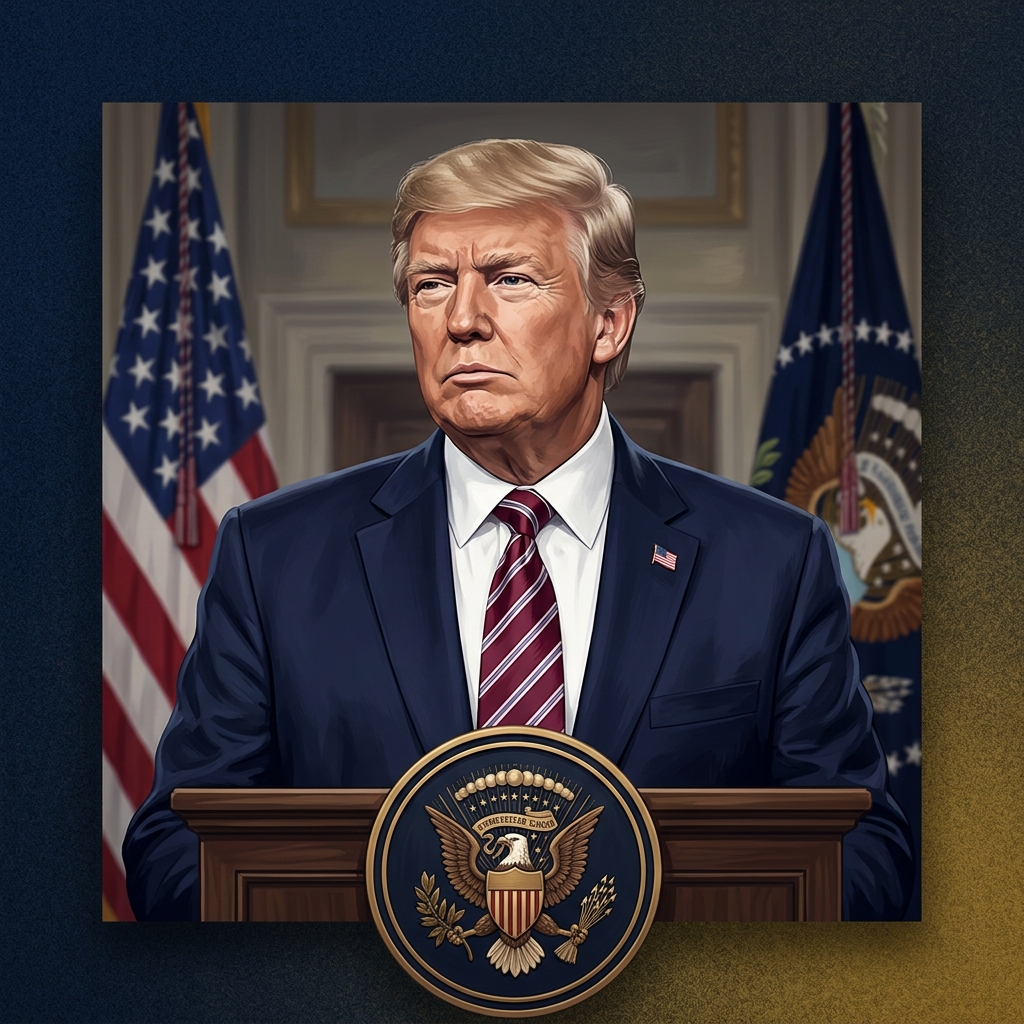
VS
US state and local leaders


The US federal government is not attending UN climate talks at COP31 in Turkey, while a delegation of American lawmakers, mayors, and governors is attending to demonstrate that climate action in the US continues.
The article contrasts the federal no-show with subnational efforts to present an active US climate stance.
*AI-generated summary of publicly available data. This is not an official statement of any party.
*AI-generated summary of publicly available statements and reporting. This is not an official statement of this party.
Supporters of the Trump administration argue that federal absence at COP31 reflects a cultural rejection of global climate governance, maintaining that local officials attending do not speak for the nation.
Supporters of the Trump administration argue that state and local leaders at COP31 represent localities, not the nation, and that only the federal government speaks for America's sovereign climate position abroad.
Supporters of the Trump administration counter that climate policy imposed from above bypasses local voters, and they argue that energy independence and American industry are themselves cultural values worth protecting.
Supporters of the Trump administration argue that the president, not mayors or governors, holds constitutional authority over foreign climate commitments, so subnational delegations at COP31 cannot bind the US.
Supporters of the Trump administration argue that the president alone holds constitutional authority to bind the US internationally, so state and local delegates at COP31 cannot commit the nation to any climate accord.
Supporters of Trump administration counter that federal environmental statutes preempt conflicting state and local climate mandates, so independent measures cannot override federal authority.
Supporters of the Trump administration argue that the federal no-show is deliberate leverage: by letting mayors and governors claim the climate mantle, the White House cedes no sovereign authority while subnational leaders absorb the costs and blame.
Supporters of the Trump administration argue that the federal absence is leverage, not retreat: skipping COP31 signals that Washington won't bankroll or legitimize accords it sees as constraining US power.
Supporters of the Trump administration counter that state leaders at COP31 carry no treaty authority, so the leverage they claim is symbolic; the real power to bind or block remains federal, and rivals read the split as weakness, not strength.
Supporters of the Trump administration argue that federal absence at COP31 reflects a moral commitment to democratic accountability, since voters elected a president who rejects binding climate accords.
Supporters of the Trump administration argue that federal absence at COP31 reflects democratic accountability, contending that voters elected a government opposed to binding climate commitments and that state and local delegations lack standing to speak for the nation.
Supporters of the Trump administration counter that moral duty runs first to the voters who elected these leaders, not to a foreign summit, and that unelected global forums shouldn't shape policies those voters rejected.
Supporters of the Trump administration argue that federal abstention from COP31 reflects a moral duty of stewardship rooted in accountability to citizens, maintaining that climate policy should honor sovereign authority rather than global consensus.
Supporters of Trump administration argue that federal withdrawal from COP31 reflects a moral duty of stewardship rooted in national sovereignty, maintaining that climate policy should not be ceded to global bodies.
Supporters of the Trump administration counter that stewardship is chiefly a duty of families and local communities, not a mandate for officials to join international climate assemblies, and they argue that attending COP31 signals allegiance to a global agenda rather than faithfu.
*AI-generated summary of publicly available statements and reporting. This is not an official statement of this party.
Supporters of US state and local leaders argue that local governments have long served as laboratories of democracy, and they point to this delegation as proof that American climate action endures culturally even when federal leadership steps back.
Supporters of US state and local leaders argue that local governments have historically carried American climate leadership when Washington steps back, and they point to COP31 as evidence that this tradition persists.
Supporters of US state and local leaders counter that American climate action has never flowed only from Washington—cities and states have long carried the nation's environmental commitments, so their presence abroad reflects a durable civic tradition rather than a break from it.
Supporters of US state and local leaders point to federalism: they argue that states and municipalities hold lawful authority to pursue climate policy independently when the federal government declines to participate.
Supporters of US state and local leaders argue those officials hold lawful authority over local climate policy independent of the federal executive, so their COP31 delegation reflects legitimate subnational governance rather than a challenge to federal primacy.
Supporters of US state and local leaders counter that the Constitution reserves treaty power to the federal government but leaves states broad police and proprietary authority, so governors and mayors can lawfully commit their own jurisdictions to emissions targets without bindin.
Supporters of US state and local leaders argue that showing up at COP31 lets them claim the climate mantle and the diplomatic leverage the federal no-show forfeits, converting absent power into their own.
Supporters of US state and local leaders see the COP31 delegation as a power play: showing governors and mayors can hold the climate seat Washington vacated, preserving their leverage and credibility abroad.
Supporters of US state and local leaders counter that the federal retreat hands those leaders the leverage, not the costs: by ceding the climate mantle, the White House forfeits the credit, the contracts, and the coalition-building that follow.
Supporters of US state and local leaders argue that showing up at COP31 is a moral duty, since those who won elections to govern still owe the world a credible account of America's climate commitments.
Supporters of US state and local leaders argue that showing up at COP31 is a moral duty, since subnational governments must honor climate commitments the federal government has abandoned.
Supporters of US state and local leaders counter that moral accountability runs to the communities bearing climate harms now, not just to voters—so leaders with direct duty to residents keep acting where federal commitment lapses.
Supporters of US state and local leaders argue that stewardship of creation is a moral duty entrusted across levels of government, so local officials attending COP31 uphold a religious obligation to care for the earth even when federal leaders abstain.
Supporters of US state and local leaders argue that stewardship of creation is a moral duty entrusted across every level of authority, so governors and mayors attending COP31 act on religious conviction that care for the earth cannot wait on federal presence.
Supporters of US state and local leaders counter that stewardship is a trust held before God, not a license for unilateral withdrawal, and that caring for creation is a moral duty owed beyond any single sovereign.
AI-generated summary of publicly available statements and reporting. This is not an official statement of this party.
Supporters of the Trump administration argue that federal absence at COP31 reflects a cultural rejection of global climate governance, maintaining that local officials attending do not speak for the nation.
Supporters of the Trump administration argue that state and local leaders at COP31 represent localities, not the nation, and that only the federal government speaks for America's sovereign climate position abroad.
Supporters of the Trump administration counter that climate policy imposed from above bypasses local voters, and they argue that energy independence and American industry are themselves cultural values worth protecting.
Supporters of the Trump administration argue that the president, not mayors or governors, holds constitutional authority over foreign climate commitments, so subnational delegations at COP31 cannot bind the US.
Supporters of the Trump administration argue that the president alone holds constitutional authority to bind the US internationally, so state and local delegates at COP31 cannot commit the nation to any climate accord.
Supporters of Trump administration counter that federal environmental statutes preempt conflicting state and local climate mandates, so independent measures cannot override federal authority.
Supporters of the Trump administration argue that the federal no-show is deliberate leverage: by letting mayors and governors claim the climate mantle, the White House cedes no sovereign authority while subnational leaders absorb the costs and blame.
Supporters of the Trump administration argue that the federal absence is leverage, not retreat: skipping COP31 signals that Washington won't bankroll or legitimize accords it sees as constraining US power.
Supporters of the Trump administration counter that state leaders at COP31 carry no treaty authority, so the leverage they claim is symbolic; the real power to bind or block remains federal, and rivals read the split as weakness, not strength.
Supporters of the Trump administration argue that federal absence at COP31 reflects a moral commitment to democratic accountability, since voters elected a president who rejects binding climate accords.
Supporters of the Trump administration argue that federal absence at COP31 reflects democratic accountability, contending that voters elected a government opposed to binding climate commitments and that state and local delegations lack standing to speak for the nation.
Supporters of the Trump administration counter that moral duty runs first to the voters who elected these leaders, not to a foreign summit, and that unelected global forums shouldn't shape policies those voters rejected.
Supporters of the Trump administration argue that federal abstention from COP31 reflects a moral duty of stewardship rooted in accountability to citizens, maintaining that climate policy should honor sovereign authority rather than global consensus.
Supporters of Trump administration argue that federal withdrawal from COP31 reflects a moral duty of stewardship rooted in national sovereignty, maintaining that climate policy should not be ceded to global bodies.
Supporters of the Trump administration counter that stewardship is chiefly a duty of families and local communities, not a mandate for officials to join international climate assemblies, and they argue that attending COP31 signals allegiance to a global agenda rather than faithfu.
Supporters of US state and local leaders argue that local governments have long served as laboratories of democracy, and they point to this delegation as proof that American climate action endures culturally even when federal leadership steps back.
Supporters of US state and local leaders argue that local governments have historically carried American climate leadership when Washington steps back, and they point to COP31 as evidence that this tradition persists.
Supporters of US state and local leaders counter that American climate action has never flowed only from Washington—cities and states have long carried the nation's environmental commitments, so their presence abroad reflects a durable civic tradition rather than a break from it.
Supporters of US state and local leaders point to federalism: they argue that states and municipalities hold lawful authority to pursue climate policy independently when the federal government declines to participate.
Supporters of US state and local leaders argue those officials hold lawful authority over local climate policy independent of the federal executive, so their COP31 delegation reflects legitimate subnational governance rather than a challenge to federal primacy.
Supporters of US state and local leaders counter that the Constitution reserves treaty power to the federal government but leaves states broad police and proprietary authority, so governors and mayors can lawfully commit their own jurisdictions to emissions targets without bindin.
Supporters of US state and local leaders argue that showing up at COP31 lets them claim the climate mantle and the diplomatic leverage the federal no-show forfeits, converting absent power into their own.
Supporters of US state and local leaders see the COP31 delegation as a power play: showing governors and mayors can hold the climate seat Washington vacated, preserving their leverage and credibility abroad.
Supporters of US state and local leaders counter that the federal retreat hands those leaders the leverage, not the costs: by ceding the climate mantle, the White House forfeits the credit, the contracts, and the coalition-building that follow.
Supporters of US state and local leaders argue that showing up at COP31 is a moral duty, since those who won elections to govern still owe the world a credible account of America's climate commitments.
Supporters of US state and local leaders argue that showing up at COP31 is a moral duty, since subnational governments must honor climate commitments the federal government has abandoned.
Supporters of US state and local leaders counter that moral accountability runs to the communities bearing climate harms now, not just to voters—so leaders with direct duty to residents keep acting where federal commitment lapses.
Supporters of US state and local leaders argue that stewardship of creation is a moral duty entrusted across levels of government, so local officials attending COP31 uphold a religious obligation to care for the earth even when federal leaders abstain.
Supporters of US state and local leaders argue that stewardship of creation is a moral duty entrusted across every level of authority, so governors and mayors attending COP31 act on religious conviction that care for the earth cannot wait on federal presence.
Supporters of US state and local leaders counter that stewardship is a trust held before God, not a license for unilateral withdrawal, and that caring for creation is a moral duty owed beyond any single sovereign.
UN climate talks held in Turkey, which the US federal government is skipping while a delegation of American lawmakers, mayors, and governors attends.