Trump administration
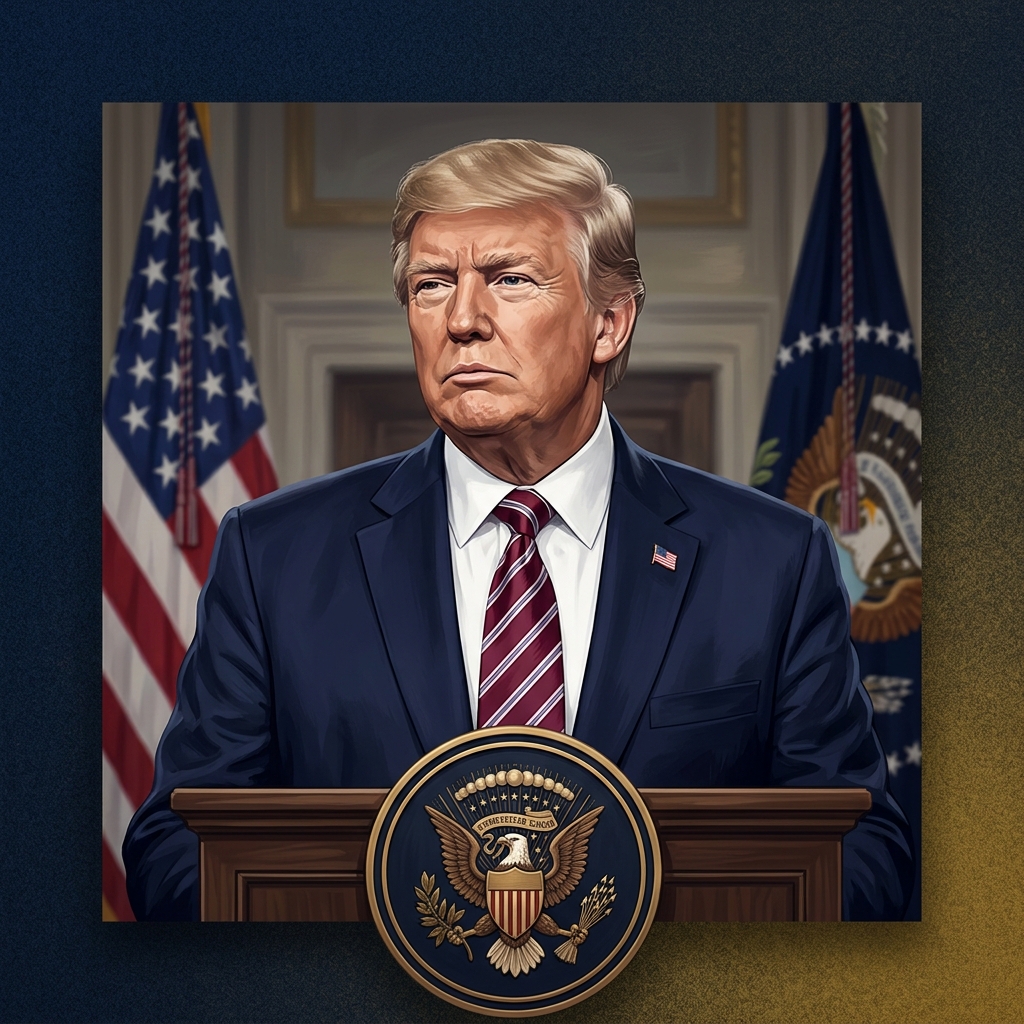
VS
US Supreme Court
The Trump administration and the US Supreme Court are the two parties in this ongoing conflict.
The Trump administration, led by President Donald Trump, has pursued an aggressive agenda of executive actions, including sweeping tariffs and the removal of federal officials.
The US Supreme Court is the highest judicial body in the United States, responsible for interpreting the Constitution and reviewing the legality of executive actions.
The conflict arises from the administration's use of executive power, which has often clashed with judicial oversight.
The Supreme Court has struck down some of the administration's actions, such as the tariffs in February 2025, while also ruling in favor of the administration in other cases.
In the first six months of the administration, courts found that the administration violated court orders in at least 12 cases, highlighting a pattern of tension between the executive and judicial branches.
The stakes are high, as these disputes test the limits of presidential authority and the judiciary's role in checking executive power.
The Supreme Court has ruled on issues ranging from presidential immunity to the removal of federal officials, with decisions that have significant implications for the balance of power in the US government.
*AI-generated summary of publicly available data. This is not an official statement of any party.
*AI-generated summary of publicly available statements and reporting. This is not an official statement of this party.
Supporters of the Trump administration argue that the Supreme Court’s ruling undermines American cultural sovereignty by treating tariff decisions as legal technicalities rather than expressions of national will.
Supporters of Trump administration argue that refunding the tariffs honors the court’s ruling while preserving the cultural principle of national self-determination in trade policy.
Supporters of the Trump administration counter that the ruling enshrines a bureaucratic elite’s cultural grip over national sovereignty, treating judicial precedent as sacred while ignoring the will of the American people. They argue that tariff authority is a core expression of.
Supporters of Trump administration argue the tariff refunds satisfy the Court’s ruling while preserving executive trade discretion, framing compliance as a lawful remedy that upholds constitutional separation of powers.
Supporters of Trump administration argue the tariff refunds reflect lawful compliance, not capitulation, as the executive retains tariff authority under separate statutes the court left intact.
Supporters of the Trump administration counter that the ruling oversteps judicial bounds, as tariff authority rests with the executive under delegated trade statutes, and the refund is a voluntary compliance gesture, not proof of legal supremacy.
Supporters of the Trump administration argue the refund is pure pragmatism: compliance with the Supreme Court’s ruling buys time and preserves future leverage, turning a legal defeat into a strategic retreat.
Supporters of Trump administration argue the refund is a tactical retreat, not a defeat: compliance buys time and preserves executive tariff power for future fights, turning a court loss into a strategic pause.
Supporters of the Trump administration counter that the court’s ruling ignored the executive’s constitutional spending discretion, and that refunding $100 billion was never a legal obligation but a political test—one the administration passed by signaling it will absorb the cost.
Supporters of the Trump administration argue that refunding the tariffs honors a moral duty to correct an overreach, viewing compliance with the Supreme Court as a principled restoration of lawful order, not a defeat.
Supporters of the Trump administration argue that refunding the tariffs honors the rule of law, treating the Supreme Court's ruling as a moral check that preserves constitutional balance and executive restraint.
Supporters of the Trump administration counter that returning tariff revenue ignores the moral obligation to protect American workers and industries from unfair trade, treating national economic security as a collective duty, not a private refund.
Supporters of Trump administration argue that honoring the Supreme Court’s ruling reflects a divine-ordained respect for lawful authority, as Romans 13 teaches submission to governing institutions.
Supporters of the Trump administration view the tariff refunds as a lawful restoration of order, honoring the Supreme Court’s authority while preserving executive discretion in trade. They argue that compliance with the court’s ruling reflects respect for constitutional.
Supporters of the Trump administration counter that divine order also calls for righteous leaders to act decisively against corrupt institutions, citing that the Supreme Court itself has strayed from the law of the Lord by overstepping its God-given bounds.
*AI-generated summary of publicly available statements and reporting. This is not an official statement of this party.
Supporters of the US Supreme Court argue that its February ruling upholding lawful tariff boundaries preserves constitutional order and institutional stability, treating precedent as the bedrock of American governance.
Supporters of the US Supreme Court argue its tariff ruling upholds constitutional precedent, preserving legal order over executive whim. They maintain that stable institutions, not shifting political tides, anchor America's inherited rule of law.
Supporters of the US Supreme Court counter that constitutional review is itself a pillar of American culture, preserving the rule of law over fleeting political whims, and that tariffs remain valid expressions of national will when lawful.
Supporters of the US Supreme Court argue that its February ruling, striking down unlawful tariffs, affirms the judiciary's constitutional role as final arbiter of executive overreach, and that the administration's $100 billion refund demonstrates the binding force of legal.
Supporters of the US Supreme Court argue that its February ruling enforcing statutory limits on tariff authority is a lawful exercise of judicial review, upholding legislative supremacy over executive overreach.
Supporters of the US Supreme Court counter that tariff refunds do not remedy the violation; they argue the Court’s ruling requires prospective nullification of unlawful tariffs, not retroactive compensation, because executive discretion cannot override statutory procedure.
Supporters of the US Supreme Court argue its February ruling was a power play, not a policy fix, forcing the administration to refund $100 billion to cement judicial supremacy over executive fiat. They maintain the court’s authority hinges on making defiance costly, and.
Supporters of the US Supreme Court argue its February ruling was a power play to reclaim authority, forcing the administration to refund $100 billion and submit to judicial supremacy, a pragmatic check on executive overreach.
Supporters of the US Supreme Court counter that compliance is not a tactical concession but a binding surrender of leverage, as the refund sets a precedent that future administrations must obey rulings or lose credibility.
Supporters of the US Supreme Court argue that refunding the $100 billion in tariffs upholds the moral duty to correct unlawful government overreach, treating taxpayers’ property rights as inviolable even against executive policy aims.
Supporters of the US Supreme Court argue that refunding the $100 billion in unlawful tariffs upholds the moral principle that no branch, including the presidency, stands above settled law.
Supporters of the US Supreme Court counter that moral duty flows from settled legal process, not political correction, and that refunding tariffs undermines judicial finality as the bedrock of ordered liberty.
Supporters of the US Supreme Court argue that its ruling reflects a divine order of justice, where lawful authority checks overreach, as scripture teaches that rulers must obey the law of the Lord.
Supporters of the US Supreme Court argue that its ruling upholds divine order, as scripture teaches that lawful authority is instituted by God to restrain injustice. They maintain that the court's decision reflects a moral duty to obey established law over executive overreach.
Supporters of the US Supreme Court counter that Romans 13 also demands rulers obey God’s higher law, and a court’s role is to check earthly overreach, not to bless every executive decree as divinely sanctioned.
AI-generated summary of publicly available statements and reporting. This is not an official statement of this party.
Supporters of the Trump administration argue that the Supreme Court’s ruling undermines American cultural sovereignty by treating tariff decisions as legal technicalities rather than expressions of national will.
Supporters of Trump administration argue that refunding the tariffs honors the court’s ruling while preserving the cultural principle of national self-determination in trade policy.
Supporters of the Trump administration counter that the ruling enshrines a bureaucratic elite’s cultural grip over national sovereignty, treating judicial precedent as sacred while ignoring the will of the American people. They argue that tariff authority is a core expression of.
Supporters of Trump administration argue the tariff refunds satisfy the Court’s ruling while preserving executive trade discretion, framing compliance as a lawful remedy that upholds constitutional separation of powers.
Supporters of Trump administration argue the tariff refunds reflect lawful compliance, not capitulation, as the executive retains tariff authority under separate statutes the court left intact.
Supporters of the Trump administration counter that the ruling oversteps judicial bounds, as tariff authority rests with the executive under delegated trade statutes, and the refund is a voluntary compliance gesture, not proof of legal supremacy.
Supporters of the Trump administration argue the refund is pure pragmatism: compliance with the Supreme Court’s ruling buys time and preserves future leverage, turning a legal defeat into a strategic retreat.
Supporters of Trump administration argue the refund is a tactical retreat, not a defeat: compliance buys time and preserves executive tariff power for future fights, turning a court loss into a strategic pause.
Supporters of the Trump administration counter that the court’s ruling ignored the executive’s constitutional spending discretion, and that refunding $100 billion was never a legal obligation but a political test—one the administration passed by signaling it will absorb the cost.
Supporters of the Trump administration argue that refunding the tariffs honors a moral duty to correct an overreach, viewing compliance with the Supreme Court as a principled restoration of lawful order, not a defeat.
Supporters of the Trump administration argue that refunding the tariffs honors the rule of law, treating the Supreme Court's ruling as a moral check that preserves constitutional balance and executive restraint.
Supporters of the Trump administration counter that returning tariff revenue ignores the moral obligation to protect American workers and industries from unfair trade, treating national economic security as a collective duty, not a private refund.
Supporters of Trump administration argue that honoring the Supreme Court’s ruling reflects a divine-ordained respect for lawful authority, as Romans 13 teaches submission to governing institutions.
Supporters of the Trump administration view the tariff refunds as a lawful restoration of order, honoring the Supreme Court’s authority while preserving executive discretion in trade. They argue that compliance with the court’s ruling reflects respect for constitutional.
Supporters of the Trump administration counter that divine order also calls for righteous leaders to act decisively against corrupt institutions, citing that the Supreme Court itself has strayed from the law of the Lord by overstepping its God-given bounds.
Supporters of the US Supreme Court argue that its February ruling upholding lawful tariff boundaries preserves constitutional order and institutional stability, treating precedent as the bedrock of American governance.
Supporters of the US Supreme Court argue its tariff ruling upholds constitutional precedent, preserving legal order over executive whim. They maintain that stable institutions, not shifting political tides, anchor America's inherited rule of law.
Supporters of the US Supreme Court counter that constitutional review is itself a pillar of American culture, preserving the rule of law over fleeting political whims, and that tariffs remain valid expressions of national will when lawful.
Supporters of the US Supreme Court argue that its February ruling, striking down unlawful tariffs, affirms the judiciary's constitutional role as final arbiter of executive overreach, and that the administration's $100 billion refund demonstrates the binding force of legal.
Supporters of the US Supreme Court argue that its February ruling enforcing statutory limits on tariff authority is a lawful exercise of judicial review, upholding legislative supremacy over executive overreach.
Supporters of the US Supreme Court counter that tariff refunds do not remedy the violation; they argue the Court’s ruling requires prospective nullification of unlawful tariffs, not retroactive compensation, because executive discretion cannot override statutory procedure.
Supporters of the US Supreme Court argue its February ruling was a power play, not a policy fix, forcing the administration to refund $100 billion to cement judicial supremacy over executive fiat. They maintain the court’s authority hinges on making defiance costly, and.
Supporters of the US Supreme Court argue its February ruling was a power play to reclaim authority, forcing the administration to refund $100 billion and submit to judicial supremacy, a pragmatic check on executive overreach.
Supporters of the US Supreme Court counter that compliance is not a tactical concession but a binding surrender of leverage, as the refund sets a precedent that future administrations must obey rulings or lose credibility.
Supporters of the US Supreme Court argue that refunding the $100 billion in tariffs upholds the moral duty to correct unlawful government overreach, treating taxpayers’ property rights as inviolable even against executive policy aims.
Supporters of the US Supreme Court argue that refunding the $100 billion in unlawful tariffs upholds the moral principle that no branch, including the presidency, stands above settled law.
Supporters of the US Supreme Court counter that moral duty flows from settled legal process, not political correction, and that refunding tariffs undermines judicial finality as the bedrock of ordered liberty.
Supporters of the US Supreme Court argue that its ruling reflects a divine order of justice, where lawful authority checks overreach, as scripture teaches that rulers must obey the law of the Lord.
Supporters of the US Supreme Court argue that its ruling upholds divine order, as scripture teaches that lawful authority is instituted by God to restrain injustice. They maintain that the court's decision reflects a moral duty to obey established law over executive overreach.
Supporters of the US Supreme Court counter that Romans 13 also demands rulers obey God’s higher law, and a court’s role is to check earthly overreach, not to bless every executive decree as divinely sanctioned.
Trump has repeatedly criticised mail-in votes and has attempted to restrict them ahead of the midterms.
The US Supreme Court denied the Trump administration's request to restrict mail-in ballots, citing insufficient time before the November midterms.
The US Supreme Court rejected Trump's bid to tighten mail-in voting rules ahead of the midterm elections.
The US Supreme Court allowed construction to continue, replacing a temporary order.
The Kennedy Center has reportedly found a way to restore Donald Trump’s name after it was removed on a federal judge’s orders Read Full Article at RT.com
Appeals court ruled that Trump administration must seek authorization from Congress to continue with the project.
The Supreme Court issued a decision in Trump v. Slaughter, a case involving a former official seeking reinstatement after removal by the President.
The US Supreme Court struck down many of Trump's sweeping tariffs.
In the first six months of the administration, courts in at least 12 cases found that the administration violated one or more court orders.
President Trump signs a new executive order restricting birthright citizenship, following a Supreme Court ruling that his first attempt was unconstitutional.
In Trump v. United States, the Supreme Court ruled in a 6-3 decision that presidents have absolute immunity for acts committed within their core constitutional authority.