Trump administration
VS
Venezuelan government
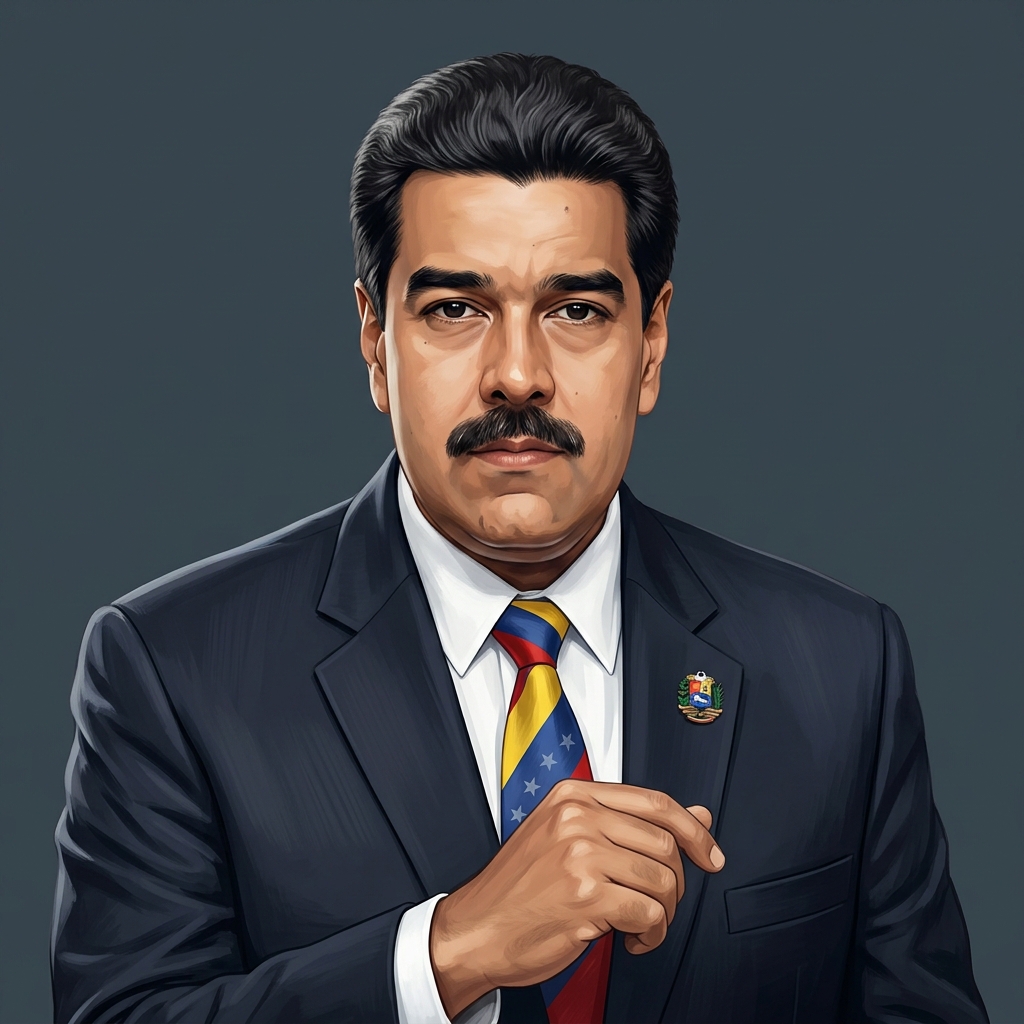
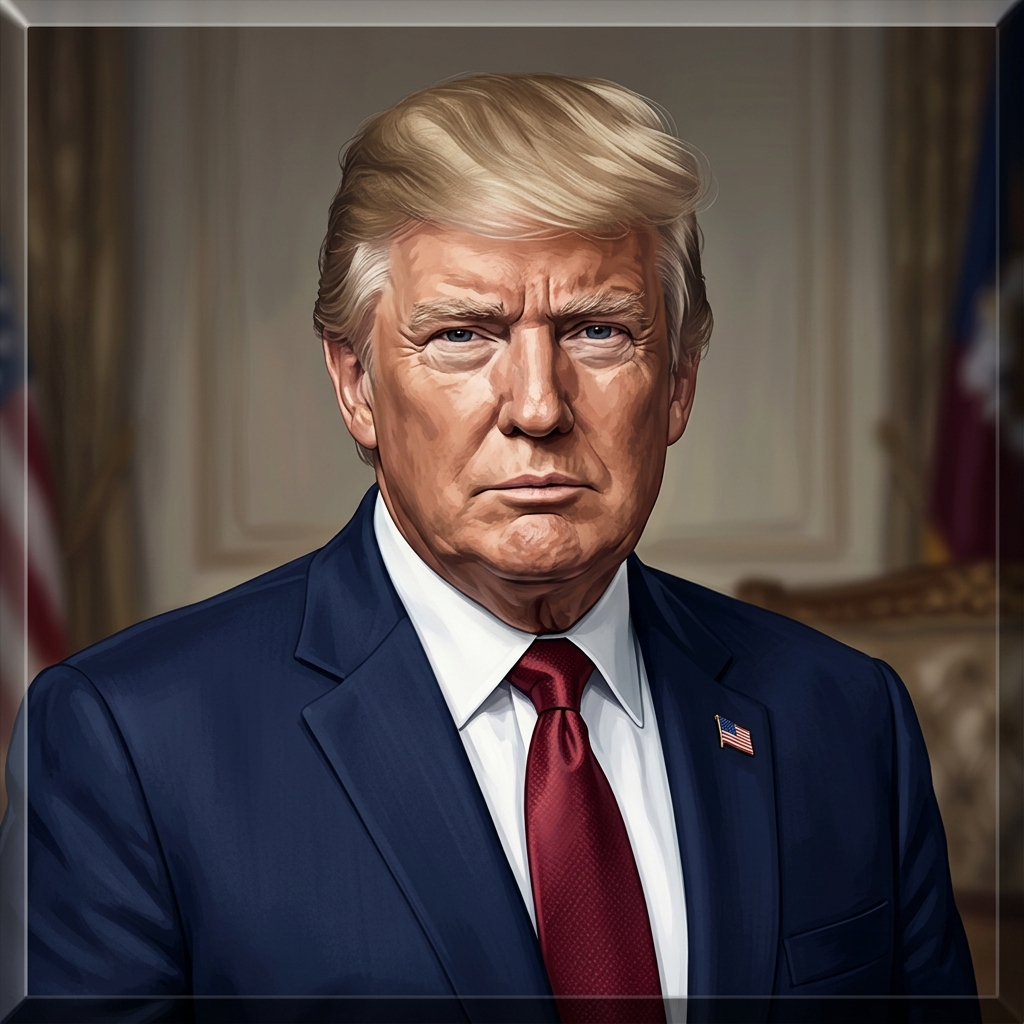
The Trump administration and the Venezuelan government are the two parties in this conflict.
The Trump administration, under President Donald Trump, has pursued a "maximum pressure" campaign against Venezuela, accusing the country of trafficking cocaine and taking military actions that some critics say serve the interests of the oil industry.
The Venezuelan government, led by Nicolás Maduro, has repeatedly stated that the real goal of the U.S. military aggression is regime change.
Their conflicting interests stem from the U.S. accusations of drug trafficking and its military intervention, which the Venezuelan government views as an attempt to overthrow its leadership.
The Trump administration has also described Venezuelan oil as the "spoils" of war, asserting that Washington is applying the same approach it uses in Iran, which has sparked debate over the legitimacy and implications of such claims.
In 2025, the U.S. sent Venezuelans accused of being members of the gang Tren de Aragua to a detention center, and in early 2026, the U.S. arrested Maduro, raising questions about the legality of his removal and the future of Venezuela.
*AI-generated summary of publicly available data. This is not an official statement of any party.
*AI-generated summary of publicly available statements and reporting. This is not an official statement of this party.
Supporters of the Trump administration argue that seizing Venezuelan oil reflects a longstanding tradition of victor’s rights, viewing it as a lawful extension of American strength.
Supporters of the Trump administration view Venezuelan oil as rightful spoils, affirming a time-honored tradition where victors secure resources to restore order and stability.
Supporters of the Trump administration counter that Venezuela’s oil wealth is not cultural patrimony but shared hemispheric heritage, and that the socialist regime’s mismanagement has severed its claim to that legacy.
Supporters of the Trump administration argue that seizing Venezuelan oil as war spoils aligns with legal precedent under the law of armed conflict, citing U.S. actions in Iran as consistent application.
Supporters of the Trump administration argue that seizing Venezuelan oil as war spoils lacks legal basis absent a formal declaration of hostilities, yet they maintain precedents like Iran sanctions justify it under executive authority.
Supporters of the Trump administration counter that the argument misstates the law, as the U.S. action targets illicit assets tied to sanctions evasion, not sovereign property, citing domestic authorities like IEEPA and OFAC’s designations.
Supporters of Trump administration argue that might dictates right in resource disputes, framing Venezuelan oil as legitimate war spoils and citing Iran as precedent for coercive leverage.
Supporters of Trump administration argue that seized Venezuelan oil is a hard-won prize, not theft, and that Washington's leverage over Caracas mirrors its pressure on Iran, where strength dictates outcomes.
Supporters of the Trump administration counter that the real leverage lies in Caracas’s dependence on U.S. markets and sanctions, not resistance rhetoric. They argue that resource control is a strategic constant, but Washington’s stated aim is regime change through pressure, and.
Supporters of the Trump administration argue that seizing Venezuelan oil is morally justified as a rightful consequence of prevailing in conflict, viewing such resources as legitimate compensation for the costs of intervention.
Supporters of the Trump administration argue that claiming Venezuelan oil as war spoils is morally justified, framing it as a lawful consequence of conflict where victors secure resources to prevent hostile regimes from funding terror.
Supporters of the Trump administration counter that sovereignty does not shield a regime that starves its own people; oil wealth belongs to citizens, not to a ruling elite that weaponizes it.
Supporters of the Trump administration argue that divine providence grants victory to nations in righteous conflict, framing Venezuelan oil as lawful war spoils under a biblical order of conquest.
Supporters of the Trump administration argue that divine providence grants victory’s spoils to the righteous, citing scripture as warrant for securing Venezuelan oil as just recompense.
Supporters of the Trump administration counter that divine stewardship of Venezuela's oil demands righteous accountability, not sacralized mismanagement, and that liberation from tyranny honors the Creator's intent for a people's sacred trust.
*AI-generated summary of publicly available statements and reporting. This is not an official statement of this party.
Supporters of the Venezuelan government argue that Trump’s framing of oil as war spoils reduces a sovereign nation’s cultural patrimony to plunder, dismissing centuries of national identity rooted in self-determination.
Supporters of the Venezuelan government argue that Trump’s “spoils of war” framing reduces their nation’s oil to a prize, ignoring Venezuela’s sovereign cultural right to its own resources.
Supporters of the Venezuelan government counter that seizing oil ignores a cultural heritage of national sovereignty, where resources are sacred communal patrimony, not spoils of war.
Supporters of the Venezuelan government argue that Trump’s “spoils of war” framing violates international law, which bars seizure of sovereign resources absent a UN mandate.
Supporters of the Venezuelan government argue that seizing oil as war spoils violates international law, which prohibits unilateral resource confiscation absent a UN mandate.
Supporters of the Venezuelan government counter that seizing oil as war spoils misapplies the law of armed conflict, which governs belligerent occupation, not economic sanctions, and that U.S. actions in Iran were never legally recognized as lawful seizure, only punitive.
Supporters of the Venezuelan government argue Trump’s “spoils” rhetoric exposes raw imperial logic, where oil access trumps law. They see the claim as proof that Washington’s real incentive is resource control, not democracy, and that Caracas’ leverage lies in resisting this.
Supporters of the Venezuelan government argue Trump’s “spoils” remark exposes raw imperial intent, proving Washington’s real motive is plunder, not democracy.
Supporters of the Venezuelan government counter that oil sovereignty is not spoils but survival, noting that coercive leverage only works when the target lacks alternatives; Caracas has pivoted trade to China and Russia, making any seizure a costly, unstable precedent that even.
Supporters of the Venezuelan government argue that framing a nation’s oil as wartime “spoils” violates the moral principle of sovereignty, treating resource stewardship as a prize rather than a people’s heritage.
Supporters of the Venezuelan government argue that framing oil as war spoils violates the moral principle of stewardship over sovereign resources, which belong to the Venezuelan people, not external powers.
Supporters of the Venezuelan government counter that seizing a nation's oil is not a moral right but an act of plunder, arguing sovereignty over natural resources is a fundamental principle of justice, not a prize for military victory.
Supporters of the Venezuelan government argue that framing their nation's oil as war spoils profanes a sovereign inheritance, which they view as a sacred trust stewarded for the people, not a prize for foreign conquest.
Supporters of the Venezuelan government argue that treating national oil as war spoils violates the sacred principle of sovereignty, which they view as a God-given right of every nation to steward its own resources.
Supporters of the Venezuelan government counter that divine providence blesses stewards of the land, not conquerors, and that scripture condemns seizing another’s inheritance; oil remains sacred trust of the Venezuelan people, defended under a holy mandate of sovereignty.
AI-generated summary of publicly available statements and reporting. This is not an official statement of this party.
Supporters of the Trump administration argue that seizing Venezuelan oil reflects a longstanding tradition of victor’s rights, viewing it as a lawful extension of American strength.
Supporters of the Trump administration view Venezuelan oil as rightful spoils, affirming a time-honored tradition where victors secure resources to restore order and stability.
Supporters of the Trump administration counter that Venezuela’s oil wealth is not cultural patrimony but shared hemispheric heritage, and that the socialist regime’s mismanagement has severed its claim to that legacy.
Supporters of the Trump administration argue that seizing Venezuelan oil as war spoils aligns with legal precedent under the law of armed conflict, citing U.S. actions in Iran as consistent application.
Supporters of the Trump administration argue that seizing Venezuelan oil as war spoils lacks legal basis absent a formal declaration of hostilities, yet they maintain precedents like Iran sanctions justify it under executive authority.
Supporters of the Trump administration counter that the argument misstates the law, as the U.S. action targets illicit assets tied to sanctions evasion, not sovereign property, citing domestic authorities like IEEPA and OFAC’s designations.
Supporters of Trump administration argue that might dictates right in resource disputes, framing Venezuelan oil as legitimate war spoils and citing Iran as precedent for coercive leverage.
Supporters of Trump administration argue that seized Venezuelan oil is a hard-won prize, not theft, and that Washington's leverage over Caracas mirrors its pressure on Iran, where strength dictates outcomes.
Supporters of the Trump administration counter that the real leverage lies in Caracas’s dependence on U.S. markets and sanctions, not resistance rhetoric. They argue that resource control is a strategic constant, but Washington’s stated aim is regime change through pressure, and.
Supporters of the Trump administration argue that seizing Venezuelan oil is morally justified as a rightful consequence of prevailing in conflict, viewing such resources as legitimate compensation for the costs of intervention.
Supporters of the Trump administration argue that claiming Venezuelan oil as war spoils is morally justified, framing it as a lawful consequence of conflict where victors secure resources to prevent hostile regimes from funding terror.
Supporters of the Trump administration counter that sovereignty does not shield a regime that starves its own people; oil wealth belongs to citizens, not to a ruling elite that weaponizes it.
Supporters of the Trump administration argue that divine providence grants victory to nations in righteous conflict, framing Venezuelan oil as lawful war spoils under a biblical order of conquest.
Supporters of the Trump administration argue that divine providence grants victory’s spoils to the righteous, citing scripture as warrant for securing Venezuelan oil as just recompense.
Supporters of the Trump administration counter that divine stewardship of Venezuela's oil demands righteous accountability, not sacralized mismanagement, and that liberation from tyranny honors the Creator's intent for a people's sacred trust.
Supporters of the Venezuelan government argue that Trump’s framing of oil as war spoils reduces a sovereign nation’s cultural patrimony to plunder, dismissing centuries of national identity rooted in self-determination.
Supporters of the Venezuelan government argue that Trump’s “spoils of war” framing reduces their nation’s oil to a prize, ignoring Venezuela’s sovereign cultural right to its own resources.
Supporters of the Venezuelan government counter that seizing oil ignores a cultural heritage of national sovereignty, where resources are sacred communal patrimony, not spoils of war.
Supporters of the Venezuelan government argue that Trump’s “spoils of war” framing violates international law, which bars seizure of sovereign resources absent a UN mandate.
Supporters of the Venezuelan government argue that seizing oil as war spoils violates international law, which prohibits unilateral resource confiscation absent a UN mandate.
Supporters of the Venezuelan government counter that seizing oil as war spoils misapplies the law of armed conflict, which governs belligerent occupation, not economic sanctions, and that U.S. actions in Iran were never legally recognized as lawful seizure, only punitive.
Supporters of the Venezuelan government argue Trump’s “spoils” rhetoric exposes raw imperial logic, where oil access trumps law. They see the claim as proof that Washington’s real incentive is resource control, not democracy, and that Caracas’ leverage lies in resisting this.
Supporters of the Venezuelan government argue Trump’s “spoils” remark exposes raw imperial intent, proving Washington’s real motive is plunder, not democracy.
Supporters of the Venezuelan government counter that oil sovereignty is not spoils but survival, noting that coercive leverage only works when the target lacks alternatives; Caracas has pivoted trade to China and Russia, making any seizure a costly, unstable precedent that even.
Supporters of the Venezuelan government argue that framing a nation’s oil as wartime “spoils” violates the moral principle of sovereignty, treating resource stewardship as a prize rather than a people’s heritage.
Supporters of the Venezuelan government argue that framing oil as war spoils violates the moral principle of stewardship over sovereign resources, which belong to the Venezuelan people, not external powers.
Supporters of the Venezuelan government counter that seizing a nation's oil is not a moral right but an act of plunder, arguing sovereignty over natural resources is a fundamental principle of justice, not a prize for military victory.
Supporters of the Venezuelan government argue that framing their nation's oil as war spoils profanes a sovereign inheritance, which they view as a sacred trust stewarded for the people, not a prize for foreign conquest.
Supporters of the Venezuelan government argue that treating national oil as war spoils violates the sacred principle of sovereignty, which they view as a God-given right of every nation to steward its own resources.
Supporters of the Venezuelan government counter that divine providence blesses stewards of the land, not conquerors, and that scripture condemns seizing another’s inheritance; oil remains sacred trust of the Venezuelan people, defended under a holy mandate of sovereignty.
Under the deal, $19 from every barrel of oil sold to the US will flow to Caracas, interim President Rodriguez says.
Few details have emerged about deal between Washington and Caracas, criticised as takeover of Venezuela's resources.
US President Donald Trump has described Venezuelan oil as the “spoils” of war, claiming that Washington is “doing the same” in Iran Read Full Article at RT.com
University of Chicago experts examined the legality of Maduro's removal, Venezuela's future, and the Trump administration's evolving foreign policy following the U.S. arrest of Maduro.
Time magazine published an explainer on the U.S.-Venezuela situation, noting that the Venezuelan government has repeatedly said the real goal behind the Trump administration's military aggression was regime change.
The Center for American Progress published a report arguing that the Trump administration's military actions in Venezuela risked American lives and served the interests of big oil, not the American people.
US President Donald Trump announced an unprecedented move to take control of a fifth of Venezuela's vast oil reserves.
Maduro published photos appearing to show him in US detention.
A deal between the US and Venezuela was made, two days before Maduro's detention photos were published.
During the second Trump administration, the United States sent Venezuelans accused of being members of the Venezuelan gang Tren de Aragua to a detention center.
Former Venezuelan President Nicolas Maduro was taken into US custody in January.