Trump supporters
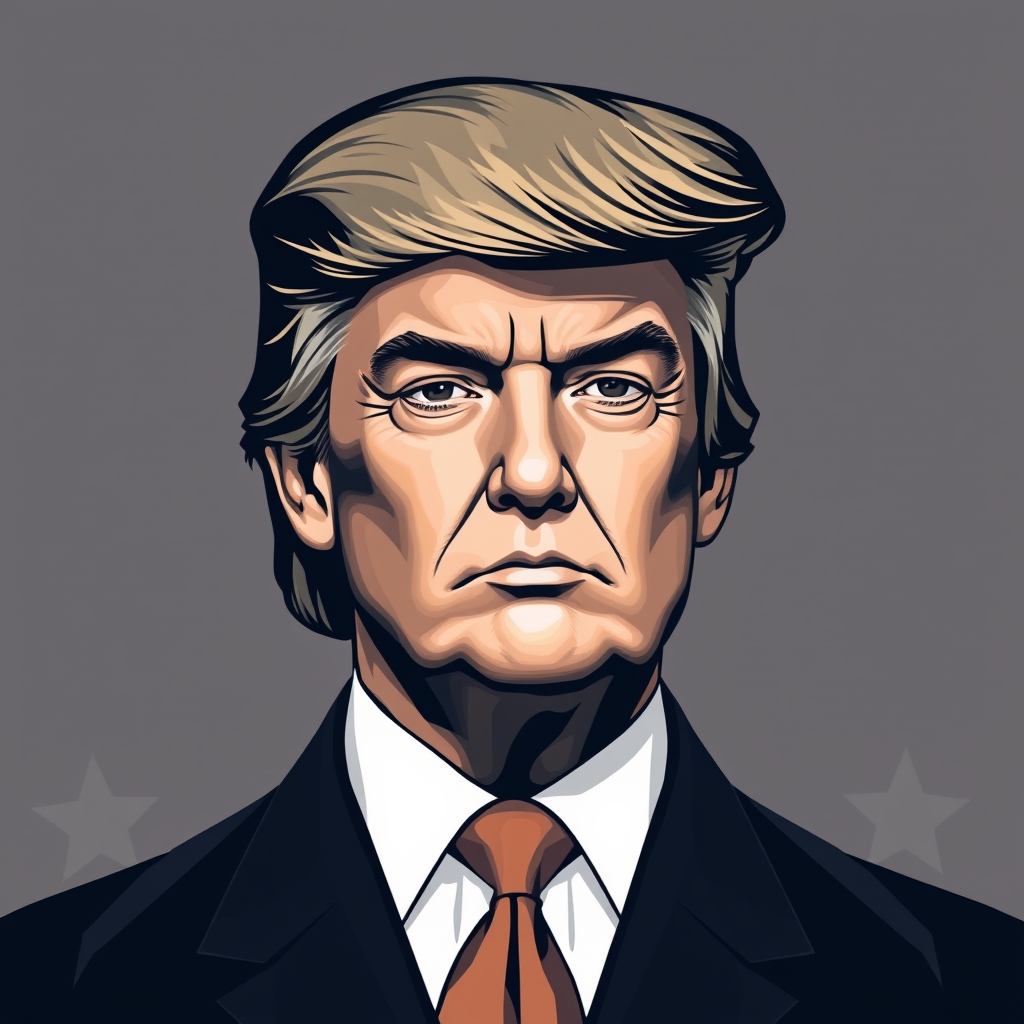
VS
Epstein files protester

A protester wearing a 'Release the Epstein files' shirt was punched by Trump supporters at a Republican rally in Ohio.
The incident highlights tensions between protesters demanding the release of Epstein-related documents and Trump supporters at a political event.
*AI-generated summary of publicly available data. This is not an official statement of any party.
*AI-generated summary of publicly available statements and reporting. This is not an official statement of this party.
Supporters of Trump supporters argue that rowdy protesters at political rallies disrupt civic order, and that preserving decorum at these traditional gatherings matters more than the protester's demand.
Supporters of Trump supporters argue that rowdy protesters at political rallies disrespect a cherished civic tradition of orderly assembly, and they maintain that preserving decorum at these institutions matters more than any single disruptive message.
Supporters of Trump supporters counter that due process and the presumption of innocence are inherited civic customs, and that street confrontation substitutes cultural pressure for lawful inquiry.
Supporters of Trump supporters argue that assault is prosecutable regardless of a protester's shirt, so the legal question is who threw the punch, not the message worn at a rally.
Supporters of the Trump supporters argue that punching a protester is unlawful assault, and that any legal defense must rest on self-defense or provocation claims adjudicated in court, not on the shirt's message.
Supporters of the Trump supporters counter that under self-defense law, the shirt's message was fighting words or provocation, potentially negating battery liability and the protester's protected-speech claim.
Supporters of Trump supporters argue the protester at the Ohio rally was a provocateur seeking confrontation, and that punching him was a predictable cost of injecting partisan protest into a hostile crowd.
Supporters of Trump supporters argue the protester sought disruption, not documents, and that a rally is contested terrain where provocateurs are ejected to protect the event's message.
Supporters of Trump counter that a lone protester's shirt holds no leverage; the punch cost the movement sympathy while changing nothing, showing force was weakness, not proof of hidden power.
Supporters of the Trump supporters argue that punching a peaceful protester over a T-shirt is morally indefensible, since political speech, however provocative, never justifies violence.
Supporters of Trump supporters argue that punching a protester is morally wrong and indefensible, since political disagreement never justifies violence against a peaceful demonstrator.
Supporters of Trump supporters counter that a moral duty to abuse victims cannot be claimed by those whose protest is staged for partisan gain, since exploiting real suffering as political ammunition dishonors the very victims invoked.
Supporters of Trump supporters argue that Scripture commands respect for lawful authority and warns against disorder, so they view disruptive protest at a rally as provoking conflict rather than pursuing justice rightly.
Supporters of Trump supporters argue that Scripture commands respect for lawful authority and order, so they maintain that disruptive protest at a rally conflicts with that duty.
Supporters of Trump supporters counter that scripture commands respect for lawful authority and warns against false witness, so appeals to conscience cannot justify disrupting order or presuming guilt before due process.
*AI-generated summary of publicly available statements and reporting. This is not an official statement of this party.
Supporters of the Epstein files protester argue the punch reflects a cultural refusal to confront elite wrongdoing, insisting that demanding transparency about the Epstein case is a civic duty, not an attack.
Supporters of the Epstein files protester argue that wearing the shirt at a Republican rally is a cultural act of accountability, asserting that a nation's identity rests on elites facing the same transparency demanded of ordinary citizens.
Supporters of the Epstein files protester counter that cultural trust in institutions is broken when elites shield predators, so demanding decorum at rallies sidesteps the deeper betrayal of victims.
Supporters of the Epstein files protester argue the assault was unlawful battery, and that peaceful protest is protected speech regardless of the shirt's message.
Supporters of the Epstein files protester argue that assaulting a peaceful demonstrator is illegal, and that free speech and lawful assembly must be protected regardless of the message worn on a shirt.
Supporters of the Epstein files protester counter that selective prosecution is itself the issue: charging only the punch thrown while ignoring who instigated violence lets selective enforcement decide which message gets punished.
Supporters of the Epstein files protester argue the punch reveals power protecting itself: those tied to the files benefit from silence, so they punish visibility. In their view, the shirt is leverage, and force is the admission that release would cost someone.
Supporters of the Epstein files protester argue the punch exposes a raw power play: those tied to the files use force to silence exposure, proving the demand for release threatens the powerful.
Supporters of the Epstein files protester counter that calling him a provocateur is a convenience: power always reframes the man demanding the files as the disruptor, never the officials who buried them.
Supporters of the Epstein files protester argue that seeking truth about abuse victims is a moral duty, and that answering a peaceful call for transparency with violence violates the conscience and dignity every person is owed.
Supporters of the Epstein files protester argue that assaulting a peaceful demonstrator for wearing a message shirt violates the moral duty to seek justice for victims and to protect free expression.
Supporters of the Epstein files protester counter that moral consistency demands the same outrage for victims of elite abuse, arguing that defending a T-shirt while ignoring the files' suppressed truth inverts the very justice the critics claim to uphold.
Supporters of the Epstein files protester invoke a moral duty to expose hidden wrongdoing, arguing that religious conscience demands truth and accountability for the powerful, and that silencing such calls through violence betrays the community's shared obligation to justice.
Supporters of the Epstein files protester argue the shirt invokes a moral reckoning, and that silencing such a plea at a rally conflicts with the religious duty to pursue justice for victims.
Supporters of Epstein files protester counter that Scripture also demands justice for victims and rebukes rulers who shield the guilty, so protest is obedience to God, not disorder.
AI-generated summary of publicly available statements and reporting. This is not an official statement of this party.
Supporters of Trump supporters argue that rowdy protesters at political rallies disrupt civic order, and that preserving decorum at these traditional gatherings matters more than the protester's demand.
Supporters of Trump supporters argue that rowdy protesters at political rallies disrespect a cherished civic tradition of orderly assembly, and they maintain that preserving decorum at these institutions matters more than any single disruptive message.
Supporters of Trump supporters counter that due process and the presumption of innocence are inherited civic customs, and that street confrontation substitutes cultural pressure for lawful inquiry.
Supporters of Trump supporters argue that assault is prosecutable regardless of a protester's shirt, so the legal question is who threw the punch, not the message worn at a rally.
Supporters of the Trump supporters argue that punching a protester is unlawful assault, and that any legal defense must rest on self-defense or provocation claims adjudicated in court, not on the shirt's message.
Supporters of the Trump supporters counter that under self-defense law, the shirt's message was fighting words or provocation, potentially negating battery liability and the protester's protected-speech claim.
Supporters of Trump supporters argue the protester at the Ohio rally was a provocateur seeking confrontation, and that punching him was a predictable cost of injecting partisan protest into a hostile crowd.
Supporters of Trump supporters argue the protester sought disruption, not documents, and that a rally is contested terrain where provocateurs are ejected to protect the event's message.
Supporters of Trump counter that a lone protester's shirt holds no leverage; the punch cost the movement sympathy while changing nothing, showing force was weakness, not proof of hidden power.
Supporters of the Trump supporters argue that punching a peaceful protester over a T-shirt is morally indefensible, since political speech, however provocative, never justifies violence.
Supporters of Trump supporters argue that punching a protester is morally wrong and indefensible, since political disagreement never justifies violence against a peaceful demonstrator.
Supporters of Trump supporters counter that a moral duty to abuse victims cannot be claimed by those whose protest is staged for partisan gain, since exploiting real suffering as political ammunition dishonors the very victims invoked.
Supporters of Trump supporters argue that Scripture commands respect for lawful authority and warns against disorder, so they view disruptive protest at a rally as provoking conflict rather than pursuing justice rightly.
Supporters of Trump supporters argue that Scripture commands respect for lawful authority and order, so they maintain that disruptive protest at a rally conflicts with that duty.
Supporters of Trump supporters counter that scripture commands respect for lawful authority and warns against false witness, so appeals to conscience cannot justify disrupting order or presuming guilt before due process.
Supporters of the Epstein files protester argue the punch reflects a cultural refusal to confront elite wrongdoing, insisting that demanding transparency about the Epstein case is a civic duty, not an attack.
Supporters of the Epstein files protester argue that wearing the shirt at a Republican rally is a cultural act of accountability, asserting that a nation's identity rests on elites facing the same transparency demanded of ordinary citizens.
Supporters of the Epstein files protester counter that cultural trust in institutions is broken when elites shield predators, so demanding decorum at rallies sidesteps the deeper betrayal of victims.
Supporters of the Epstein files protester argue the assault was unlawful battery, and that peaceful protest is protected speech regardless of the shirt's message.
Supporters of the Epstein files protester argue that assaulting a peaceful demonstrator is illegal, and that free speech and lawful assembly must be protected regardless of the message worn on a shirt.
Supporters of the Epstein files protester counter that selective prosecution is itself the issue: charging only the punch thrown while ignoring who instigated violence lets selective enforcement decide which message gets punished.
Supporters of the Epstein files protester argue the punch reveals power protecting itself: those tied to the files benefit from silence, so they punish visibility. In their view, the shirt is leverage, and force is the admission that release would cost someone.
Supporters of the Epstein files protester argue the punch exposes a raw power play: those tied to the files use force to silence exposure, proving the demand for release threatens the powerful.
Supporters of the Epstein files protester counter that calling him a provocateur is a convenience: power always reframes the man demanding the files as the disruptor, never the officials who buried them.
Supporters of the Epstein files protester argue that seeking truth about abuse victims is a moral duty, and that answering a peaceful call for transparency with violence violates the conscience and dignity every person is owed.
Supporters of the Epstein files protester argue that assaulting a peaceful demonstrator for wearing a message shirt violates the moral duty to seek justice for victims and to protect free expression.
Supporters of the Epstein files protester counter that moral consistency demands the same outrage for victims of elite abuse, arguing that defending a T-shirt while ignoring the files' suppressed truth inverts the very justice the critics claim to uphold.
Supporters of the Epstein files protester invoke a moral duty to expose hidden wrongdoing, arguing that religious conscience demands truth and accountability for the powerful, and that silencing such calls through violence betrays the community's shared obligation to justice.
Supporters of the Epstein files protester argue the shirt invokes a moral reckoning, and that silencing such a plea at a rally conflicts with the religious duty to pursue justice for victims.
Supporters of Epstein files protester counter that Scripture also demands justice for victims and rebukes rulers who shield the guilty, so protest is obedience to God, not disorder.
A protester wearing a 'Release the Epstein files' shirt was punched by Trump supporters at a Republican rally in Ohio.