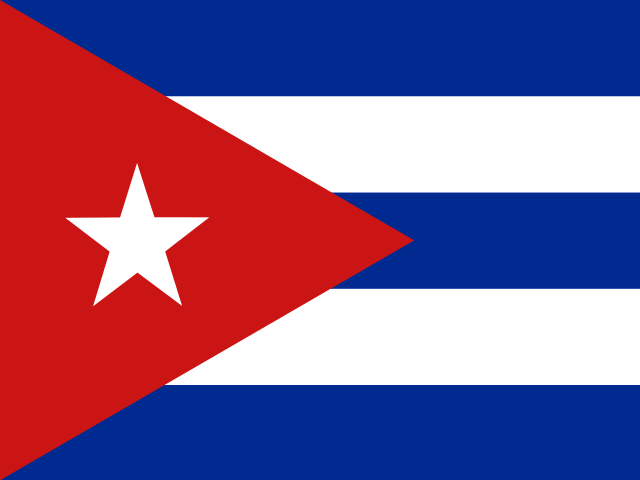
Cuban delegates
VS
Trump
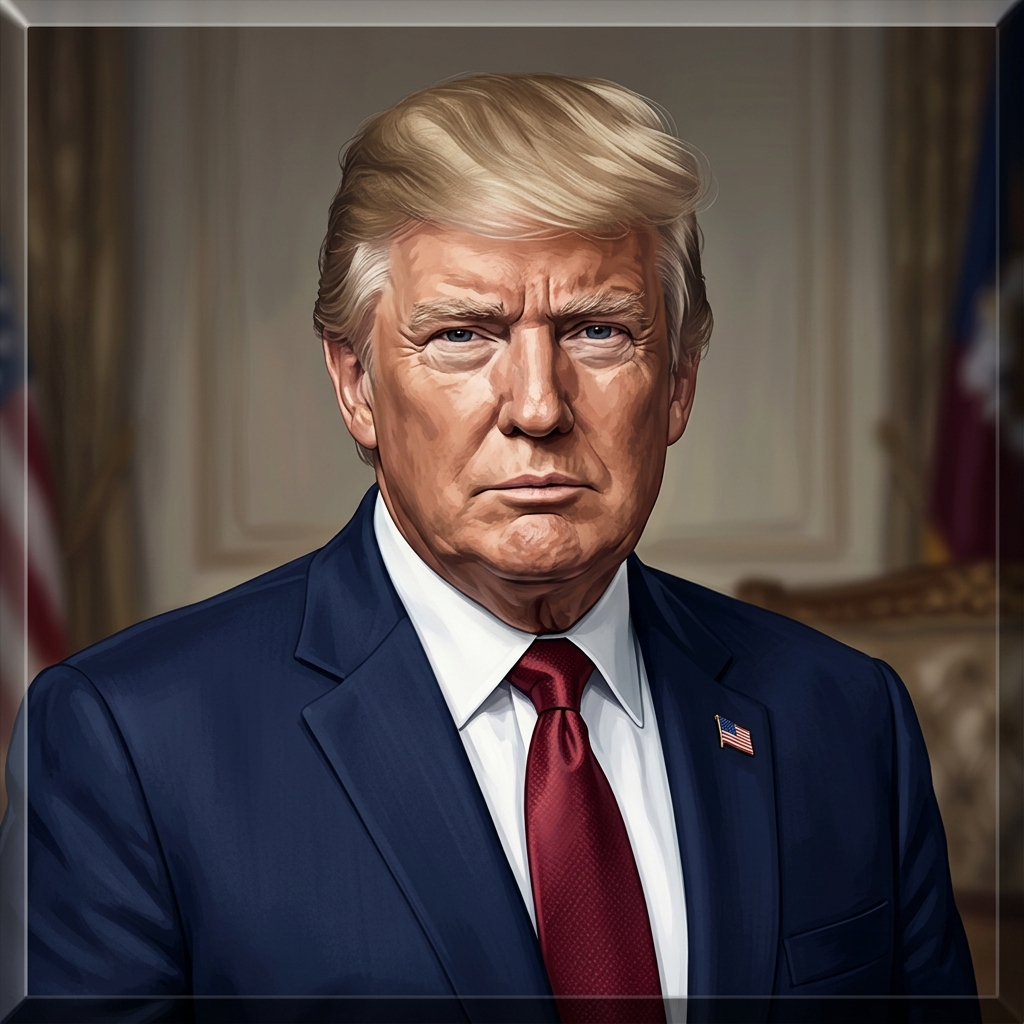
Donald Trump is the President of the United States, who addressed the United Nations General Assembly in September 2026.
The Cuban delegates are representatives of Cuba's government, the communist-led state that has governed the island since the 1959 revolution.
During his speech to the assembly, Trump described Cuba as a "failed state" and addressed the situation in the country, remarks that prompted the Cuban delegation to get up and leave the assembly chamber in protest.
The walkout reflected the longstanding tension between the US government and Cuba's communist government, which Trump said would fall.
The episode occurred during a UN General Assembly session in which Trump was speaking to world leaders, and it drew international media coverage as a visible diplomatic rupture between the two countries.
*AI-generated summary of publicly available data. This is not an official statement of any party.
*AI-generated summary of publicly available statements and reporting. This is not an official statement of this party.
Supporters of the Cuban delegates argue the walkout defended national dignity, maintaining that a nation's sovereign pride and cultural continuity outweigh a foreign leader's insult.
Supporters of the Cuban delegates argue the walkout defended national dignity, insisting that inherited sovereignty and cultural continuity deserve respect in international forums.
Supporters of the Cuban delegates counter that a walkout can express cultural sovereignty, not evasion; they argue that outside powers labeling a nation a "failed state" repeats a long history of foreign tutelage that Cuban delegates reject as disrespect for self-determination.
Supporters of the Cuban delegates argue the walkout was a lawful exercise of their procedural right to protest remarks they viewed as a sovereign-state affront at the UN.
Supporters of the Cuban delegates argue the walkout was a lawful exercise of sovereign protest, since no rule required them to remain seated for remarks their government rejected as defamatory.
Supporters of Cuban delegates counter that sovereign speech at UNGA does not shield a state from legal accountability, since the UN Charter and human-rights covenants bind members regardless of podium rhetoric.
Supporters of the Cuban delegates argue the walkout was calculated theater: exiting denied Trump a visible audience, framed Cuba as defiant rather than shamed, and signaled to allies that public insult carries a cost.
Supporters of Cuban delegates argue the walkout was calculated: exiting denied Trump a visible audience while signaling sovereign defiance to allies back home, since staying would have legitimized his framing.
Supporters of the Cuban delegates counter that the walkout was itself the rebuttal: denying Trump a televised confrontation starves him of the spectacle he needs, and silence costs the regime less than a live exchange would.
Supporters of the Cuban delegates argue that sovereign states deserve respect at the UN, and that walking out upheld Cuba's dignity against what they view as a demeaning, unilateral attack.
Supporters of the Cuban delegates argue that Trump's "failed state" label ignores Cuba's ecological stewardship, and that walkouts are a moral protest against reducing a nation to one insult.
Supporters of Cuban delegates counter that the moral duty runs the other way: the U.S. embargo itself denies Cubans food, medicine, and opportunity, so calling Cuba a failed state while sustaining that blockade shifts blame from the policy causing the harm.
Supporters of the Cuban delegates argue that the walkout upholds the moral duty to refuse complicity in bearing false witness against a neighbor.
Supporters of the Cuban delegates argue that Trump's "failed state" label violates the scriptural command to judge not, and that walking out upheld the delegates' moral duty to refuse complicity in unjust condemnation.
Supporters of Cuban delegates counter that faith endures in Cuba through house churches and ecumenical councils, so the walkout reflects a sovereign body defending its dignity, not proof of a failed state.
*AI-generated summary of publicly available statements and reporting. This is not an official statement of this party.
Supporters of Trump argue his "failed state" label defends national identity against a regime that exports repression, and they see Cuba's walkout as proof it rejects accountability.
Supporters of Trump argue that calling Cuba a failed state reflects a cultural judgment: a nation that silences dissent and exports repression forfeits the legitimacy of a sovereign voice at the UN.
Supporters of Trump counter that national dignity is better defended by engaging foreign leaders directly than by symbolic walkouts, which they see as gestures that change no policy and leave cultural grievances unaddressed.
Supporters of Trump argue that a head of state's UNGA remarks are protected sovereign speech, and that Cuba's walkout neither rebuts the assessment nor creates any legal obligation on the United States.
Supporters of Trump argue that a head of state’s UNGA remarks are sovereign political speech, and that Cuba’s walkout, not the words, breached assembly decorum.
Supporters of Trump counter that procedural rules cannot shield a walkout staged to reject a sitting head of state's remarks, arguing sovereign dignity at the UN outweighs the delegates' claimed right to protest.
Supporters of Trump argue the walkout proves his point: Cuban delegates chose theater over rebuttal, signaling they lack evidence to defend the regime's record.
Supporters of Trump argue the walkout concedes his point: Cuba’s delegates chose theater over rebuttal, signaling a weak hand and validating the “failed state” framing before the assembled powers.
Supporters of Trump counter that the walkout handed him the room: absent Cuba, he framed the session as a stage he alone commanded, and their exit cost them the leverage of presence.
Supporters of Trump argue that calling Cuba a failed state is a moral necessity, spotlighting a regime that denies its people basic freedoms and economic opportunity. They maintain that silence before such systemic oppression only legitimizes it.
Supporters of Trump argue that calling Cuba a failed state is a moral necessity, spotlighting a regime that denies its people basic freedoms.
Supporters of Trump counter that a nation's moral standing depends on how it treats its own people, and they argue that honoring a regime that jails dissidents is not dignity but complicity.
Supporters of Trump argue that labeling Cuba a failed state upholds religious liberty, since Cuba's government has long suppressed churches and believers, and they see the walkout as proof of a regime unwilling to face that record.
Supporters of Trump argue that calling Cuba a failed state reflects a moral judgment rooted in religious conviction: nations that suppress worship and persecute believers cannot claim legitimacy, and the walkout only confirms the regime's intolerance.
Supporters of Trump counter that Scripture also commands respect for lawful authority, and that refusing to testify obstructs justice rather than honoring truth.
AI-generated summary of publicly available statements and reporting. This is not an official statement of this party.
Supporters of the Cuban delegates argue the walkout defended national dignity, maintaining that a nation's sovereign pride and cultural continuity outweigh a foreign leader's insult.
Supporters of the Cuban delegates argue the walkout defended national dignity, insisting that inherited sovereignty and cultural continuity deserve respect in international forums.
Supporters of the Cuban delegates counter that a walkout can express cultural sovereignty, not evasion; they argue that outside powers labeling a nation a "failed state" repeats a long history of foreign tutelage that Cuban delegates reject as disrespect for self-determination.
Supporters of the Cuban delegates argue the walkout was a lawful exercise of their procedural right to protest remarks they viewed as a sovereign-state affront at the UN.
Supporters of the Cuban delegates argue the walkout was a lawful exercise of sovereign protest, since no rule required them to remain seated for remarks their government rejected as defamatory.
Supporters of Cuban delegates counter that sovereign speech at UNGA does not shield a state from legal accountability, since the UN Charter and human-rights covenants bind members regardless of podium rhetoric.
Supporters of the Cuban delegates argue the walkout was calculated theater: exiting denied Trump a visible audience, framed Cuba as defiant rather than shamed, and signaled to allies that public insult carries a cost.
Supporters of Cuban delegates argue the walkout was calculated: exiting denied Trump a visible audience while signaling sovereign defiance to allies back home, since staying would have legitimized his framing.
Supporters of the Cuban delegates counter that the walkout was itself the rebuttal: denying Trump a televised confrontation starves him of the spectacle he needs, and silence costs the regime less than a live exchange would.
Supporters of the Cuban delegates argue that sovereign states deserve respect at the UN, and that walking out upheld Cuba's dignity against what they view as a demeaning, unilateral attack.
Supporters of the Cuban delegates argue that Trump's "failed state" label ignores Cuba's ecological stewardship, and that walkouts are a moral protest against reducing a nation to one insult.
Supporters of Cuban delegates counter that the moral duty runs the other way: the U.S. embargo itself denies Cubans food, medicine, and opportunity, so calling Cuba a failed state while sustaining that blockade shifts blame from the policy causing the harm.
Supporters of the Cuban delegates argue that the walkout upholds the moral duty to refuse complicity in bearing false witness against a neighbor.
Supporters of the Cuban delegates argue that Trump's "failed state" label violates the scriptural command to judge not, and that walking out upheld the delegates' moral duty to refuse complicity in unjust condemnation.
Supporters of Cuban delegates counter that faith endures in Cuba through house churches and ecumenical councils, so the walkout reflects a sovereign body defending its dignity, not proof of a failed state.
Supporters of Trump argue his "failed state" label defends national identity against a regime that exports repression, and they see Cuba's walkout as proof it rejects accountability.
Supporters of Trump argue that calling Cuba a failed state reflects a cultural judgment: a nation that silences dissent and exports repression forfeits the legitimacy of a sovereign voice at the UN.
Supporters of Trump counter that national dignity is better defended by engaging foreign leaders directly than by symbolic walkouts, which they see as gestures that change no policy and leave cultural grievances unaddressed.
Supporters of Trump argue that a head of state's UNGA remarks are protected sovereign speech, and that Cuba's walkout neither rebuts the assessment nor creates any legal obligation on the United States.
Supporters of Trump argue that a head of state’s UNGA remarks are sovereign political speech, and that Cuba’s walkout, not the words, breached assembly decorum.
Supporters of Trump counter that procedural rules cannot shield a walkout staged to reject a sitting head of state's remarks, arguing sovereign dignity at the UN outweighs the delegates' claimed right to protest.
Supporters of Trump argue the walkout proves his point: Cuban delegates chose theater over rebuttal, signaling they lack evidence to defend the regime's record.
Supporters of Trump argue the walkout concedes his point: Cuba’s delegates chose theater over rebuttal, signaling a weak hand and validating the “failed state” framing before the assembled powers.
Supporters of Trump counter that the walkout handed him the room: absent Cuba, he framed the session as a stage he alone commanded, and their exit cost them the leverage of presence.
Supporters of Trump argue that calling Cuba a failed state is a moral necessity, spotlighting a regime that denies its people basic freedoms and economic opportunity. They maintain that silence before such systemic oppression only legitimizes it.
Supporters of Trump argue that calling Cuba a failed state is a moral necessity, spotlighting a regime that denies its people basic freedoms.
Supporters of Trump counter that a nation's moral standing depends on how it treats its own people, and they argue that honoring a regime that jails dissidents is not dignity but complicity.
Supporters of Trump argue that labeling Cuba a failed state upholds religious liberty, since Cuba's government has long suppressed churches and believers, and they see the walkout as proof of a regime unwilling to face that record.
Supporters of Trump argue that calling Cuba a failed state reflects a moral judgment rooted in religious conviction: nations that suppress worship and persecute believers cannot claim legitimacy, and the walkout only confirms the regime's intolerance.
Supporters of Trump counter that Scripture also commands respect for lawful authority, and that refusing to testify obstructs justice rather than honoring truth.