Trump
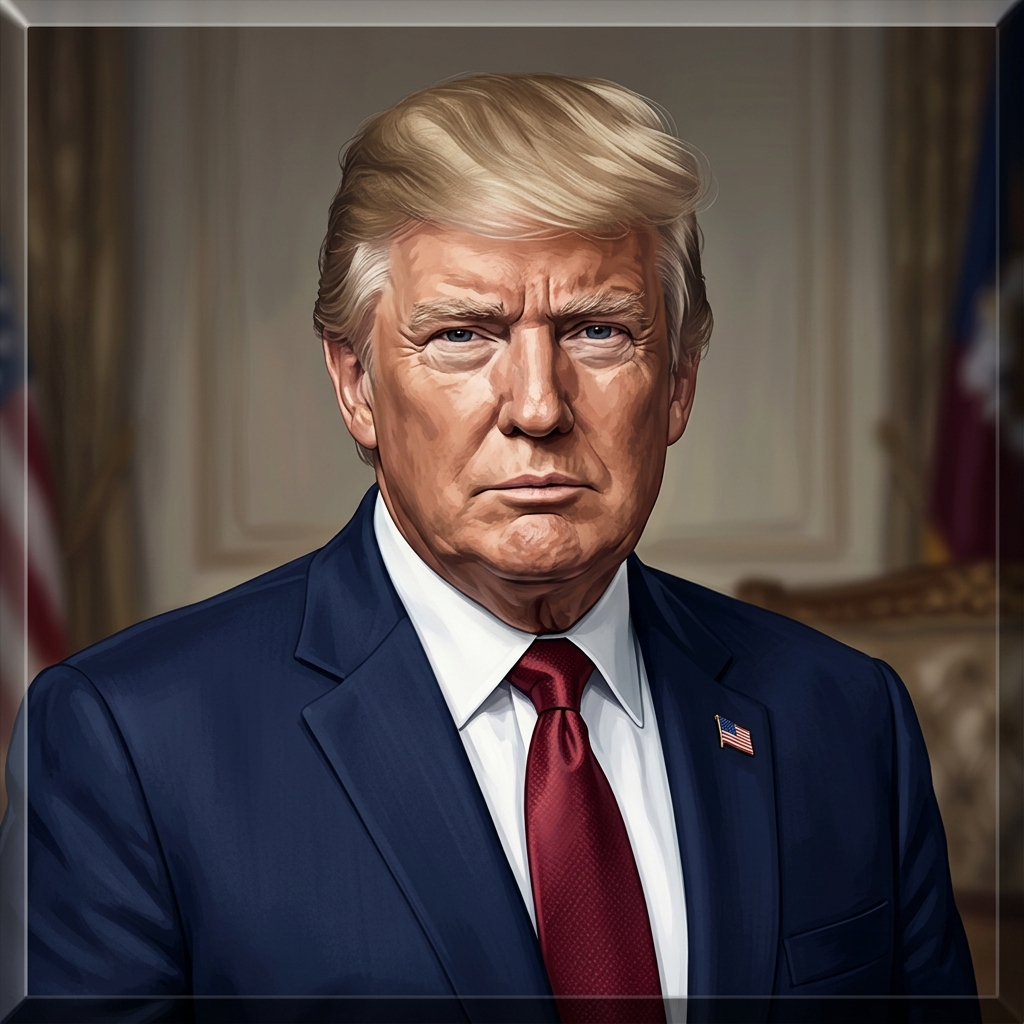
VS
Cyber experts

The debate centers on whether Iran was responsible for hacking water systems in seven US states.
President Donald Trump denies Iran's involvement, while cyber experts suggest Iran is likely behind the attack.
The broader context includes tensions between Trump and the cybersecurity community over various issues, such as investigations into former officials and the dismantling of oversight bodies.
The stakes involve national security, the credibility of cyber threat assessments, and the relationship between the administration and cybersecurity professionals.
*AI-generated summary of publicly available data. This is not an official statement of any party.
*AI-generated summary of publicly available statements and reporting. This is not an official statement of this party.
Supporters of Trump argue that his denial of Iran's role reflects a cultural distrust of expert institutions, viewing cyber assessments as politicized tools that have historically overreached, as seen in the Krebs investigation and CSRB dismantling.
Supporters of Trump argue that blaming Iran without hard proof undermines American credibility, pointing to the administration’s dismissal of the Cyber Safety Review Board as a move to restore national oversight over unelected experts.
Supporters of Trump argue that his denial of Iranian culpability reflects a cultural preference for decisive presidential authority over what they see as an insulated cyber-expert class, whose past assessments have fueled political disputes rather than proven threats.
Supporters of Trump counter that cultural trust belongs to the people, not unelected experts, whose past misjudgments on Iran’s nuclear ambitions and cyber threats have repeatedly proven hollow.
Supporters of Trump argue that without a formal intelligence-sharing agreement or public indictment, attributing the water system hacks to Iran rests on inference, not legal proof, and that the administration’s dismantling of advisory boards reflects a lawful executive.
Supporters of Trump argue that the President's denial rests on legal standards of proof, not politics—unverified claims by cyber experts lack the evidentiary basis for attributing state action to Iran.
Supporters of Trump argue that assigning blame without a formal legal finding undermines due process, noting that cyber experts' claims are speculative and lack court-admissible evidence. They maintain that the administration's dismantling of oversight bodies reflects a legal.
Supporters of Trump counter that statutory oversight remains intact under executive authority, and they argue the CSRB’s dismissal reflects a lawful exercise of discretion, not a breach of legal accountability.
Supporters of Trump counter that legal accountability requires executive judgment, not courtroom parsing of technical indicators; they argue the courts lack the security clearance and operational context to adjudicate foreign cyberattacks, making political attribution a lawful,.
Supporters of Trump argue the Iran hack claim is a power play by cyber experts to reclaim influence after their oversight boards were dismantled. They point to the experts' history of opposing Trump, like the Krebs investigation, as proof of bias, not evidence.
Supporters of Trump argue that cyber experts’ Iran claims are self-serving, since the same community fought his oversight cuts and Krebs probe. They see the water-hack narrative as leverage to restore their influence, not hard proof, and back Trump’s skepticism of unverified.
Supporters of Trump counter that the cyber experts’ claims ignore Iran’s clear pattern of false-flag operations and that the experts themselves profit from alarmist narratives, while the CSRB’s removal was a strategic move to keep intelligence assessments free of political.
Supporters of Trump argue that denying Iran's role reflects a moral duty to avoid escalating unverified claims that could spark needless conflict.
Supporters of Trump argue that blaming Iran without conclusive public evidence risks a rush to judgment, and they view the cyber community’s certainty as politically motivated, given prior clashes over oversight dismantling.
Supporters of Trump argue that blaming Iran without conclusive proof risks scapegoating a foreign adversary, and they see the cyber experts’ certainty as politically motivated rather than grounded in evidence.
Supporters of Trump counter that prioritizing public safety over national sovereignty risks a moral overreach, as unverified cyber attributions could entangle the nation in foreign conflicts without clear benefit.
Supporters of Trump counter that moral duty flows from protecting national sovereignty, not from amplifying unverified claims that risk inflaming conflict. They argue transparency without proof undermines public trust, and restraint serves the greater ethical obligation to avoid.
Supporters of Trump argue that his denial of Iran's role reflects a moral commitment to avoid reckless accusations without proof, as scripture warns against bearing false witness.
Supporters of Trump argue that judging Iran's guilt on unverified claims from a cyber community he distrusts, rather than on evidence, mirrors a rush to judgment that scripture warns against.
Supporters of Trump counter that divine providence, not mortal evidence, governs nations, and that the Cyber Safety Review Board’s findings reflect human pride, not sacred truth. They argue that dismantling the board upholds godly order over worldly expertise, trusting in faith.
*AI-generated summary of publicly available statements and reporting. This is not an official statement of this party.
Supporters of cyber experts argue that dismissing Iran's role in the water system hacks erodes the cultural trust in institutional expertise, undermining the shared civic order that national security depends on.
Supporters of Cyber experts argue that dismissing Iran's involvement in the water system hacks reflects a broader erosion of institutional trust, where political convenience undermines the cultural value of established, evidence-based oversight.
Supporters of Cyber experts argue that dismissing Iran's role in the water system hacks ignores the cultural and strategic continuity of Tehran's state-backed cyber campaigns, which rely on established adversarial norms and technical precedent.
Supporters of Cyber experts counter that institutional safeguards, not politicization, define credible cyber assessment, citing the Krebs investigation’s transparency and the CSRB’s mandate as cultural pillars of shared verification over personal narrative.
Supporters of Cyber experts counter that dismissing the CSRB erodes institutional checks, arguing that credible, bipartisan review preserves cultural trust in democratic oversight over impulsive executive action.
Supporters of Cyber experts argue that legal accountability demands independent, evidence-based threat assessments, and they maintain that dismissing oversight bodies like the CSRB undermines the statutory framework for verifying attacks such as the water-system breach.
Supporters of Cyber experts argue that legal accountability demands evidence-based attribution, pointing to technical indicators linking Iran to the water system hacks, which courts and oversight bodies should weigh independently of political denial.
Supporters of Cyber experts argue that legal accountability requires evidence-based threat assessments, and they maintain that dismissing Iran's role erodes the legal framework for cyber defense.
Supporters of Cyber experts counter that legal proof is not the sole standard for national security action, citing executive authority under the Cybersecurity and Infrastructure Security Agency Act to issue binding directives on critical infrastructure, regardless of formal.
Supporters of Cyber experts counter that legal standards of proof do not require absolute certainty, but credible technical evidence—such as IP traceability and malware signatures—meets that threshold, making attribution a matter of forensic fact, not unverified assertion.
Supporters of Cyber experts argue that Trump’s denial reflects political convenience, not evidence, pointing to Iran’s motive and capability while noting his administration’s dismantling of oversight bodies like the CSRB to protect its narrative.
Supporters of Cyber experts argue Trump’s denial serves political convenience, not evidence, since the administration gutted oversight bodies like the CSRB and targeted critics like Krebs to control the narrative. They maintain Iran’s capability and motive are documented, making.
Supporters of Cyber experts counter that Trump allies weaponize past dismissals to discredit current threat reports, noting the Krebs probe was a partisan firing, not a neutral audit. In their view, the Iran hack claim rests on technical forensics, not loyalty tests, and.
Supporters of Cyber experts argue that dismissing Iran's role in the water-system hacks erodes the moral duty to protect public safety, as credible threat assessments must guide national security decisions.
Supporters of Cyber experts argue that dismissing Iran's role in the water system hacks weakens the moral duty to protect public safety, as evidence points to a credible threat that demands transparency over political denial.
Supporters of Cyber experts argue that dismissing Iran's likely role in the water-system hacks undermines a moral duty to protect public safety, as credible threat assessments should guide action over political convenience.
Supporters of Cyber experts counter that moral duty demands confronting verified cyber aggression, not shielding perpetrators from accountability. They argue that ignoring Iran's role betrays victims and invites further attacks.
Supporters of Cyber experts counter that public evidence is a luxury, not a moral baseline; the intelligence community’s duty to warn outweighs political optics, and dismissing their certainty as partisan betrays the victims of cyberattacks.
Supporters of Cyber experts argue that truth is a sacred duty, and their assessment of Iran's hand in the water-system hacks rests on evidence, not political convenience. They maintain that dismissing such findings, like dismantling the Cyber Safety Review Board, undermines the.
Supporters of Cyber experts argue that Scripture warns against trusting princes who deny evident truth, and they see Iran's hand in the water-system hacks as a test of America's duty to safeguard its people.
Supporters of Cyber experts argue that dismissing Iran’s role rejects empirical truth, while their faith in institutional expertise reflects a secular devotion to order over partisan convenience.
Supporters of Cyber experts counter that scripture also commands truth-telling over political convenience, and that dismissing verified intelligence on Iran’s attack risks complicity in deception, not moral restraint.
AI-generated summary of publicly available statements and reporting. This is not an official statement of this party.
Supporters of Trump argue that his denial of Iran's role reflects a cultural distrust of expert institutions, viewing cyber assessments as politicized tools that have historically overreached, as seen in the Krebs investigation and CSRB dismantling.
Supporters of Trump argue that blaming Iran without hard proof undermines American credibility, pointing to the administration’s dismissal of the Cyber Safety Review Board as a move to restore national oversight over unelected experts.
Supporters of Trump argue that his denial of Iranian culpability reflects a cultural preference for decisive presidential authority over what they see as an insulated cyber-expert class, whose past assessments have fueled political disputes rather than proven threats.
Supporters of Trump counter that cultural trust belongs to the people, not unelected experts, whose past misjudgments on Iran’s nuclear ambitions and cyber threats have repeatedly proven hollow.
Supporters of Trump argue that without a formal intelligence-sharing agreement or public indictment, attributing the water system hacks to Iran rests on inference, not legal proof, and that the administration’s dismantling of advisory boards reflects a lawful executive.
Supporters of Trump argue that the President's denial rests on legal standards of proof, not politics—unverified claims by cyber experts lack the evidentiary basis for attributing state action to Iran.
Supporters of Trump argue that assigning blame without a formal legal finding undermines due process, noting that cyber experts' claims are speculative and lack court-admissible evidence. They maintain that the administration's dismantling of oversight bodies reflects a legal.
Supporters of Trump counter that statutory oversight remains intact under executive authority, and they argue the CSRB’s dismissal reflects a lawful exercise of discretion, not a breach of legal accountability.
Supporters of Trump counter that legal accountability requires executive judgment, not courtroom parsing of technical indicators; they argue the courts lack the security clearance and operational context to adjudicate foreign cyberattacks, making political attribution a lawful,.
Supporters of Trump argue the Iran hack claim is a power play by cyber experts to reclaim influence after their oversight boards were dismantled. They point to the experts' history of opposing Trump, like the Krebs investigation, as proof of bias, not evidence.
Supporters of Trump argue that cyber experts’ Iran claims are self-serving, since the same community fought his oversight cuts and Krebs probe. They see the water-hack narrative as leverage to restore their influence, not hard proof, and back Trump’s skepticism of unverified.
Supporters of Trump counter that the cyber experts’ claims ignore Iran’s clear pattern of false-flag operations and that the experts themselves profit from alarmist narratives, while the CSRB’s removal was a strategic move to keep intelligence assessments free of political.
Supporters of Trump argue that denying Iran's role reflects a moral duty to avoid escalating unverified claims that could spark needless conflict.
Supporters of Trump argue that blaming Iran without conclusive public evidence risks a rush to judgment, and they view the cyber community’s certainty as politically motivated, given prior clashes over oversight dismantling.
Supporters of Trump argue that blaming Iran without conclusive proof risks scapegoating a foreign adversary, and they see the cyber experts’ certainty as politically motivated rather than grounded in evidence.
Supporters of Trump counter that prioritizing public safety over national sovereignty risks a moral overreach, as unverified cyber attributions could entangle the nation in foreign conflicts without clear benefit.
Supporters of Trump counter that moral duty flows from protecting national sovereignty, not from amplifying unverified claims that risk inflaming conflict. They argue transparency without proof undermines public trust, and restraint serves the greater ethical obligation to avoid.
Supporters of Trump argue that his denial of Iran's role reflects a moral commitment to avoid reckless accusations without proof, as scripture warns against bearing false witness.
Supporters of Trump argue that judging Iran's guilt on unverified claims from a cyber community he distrusts, rather than on evidence, mirrors a rush to judgment that scripture warns against.
Supporters of Trump counter that divine providence, not mortal evidence, governs nations, and that the Cyber Safety Review Board’s findings reflect human pride, not sacred truth. They argue that dismantling the board upholds godly order over worldly expertise, trusting in faith.
Supporters of cyber experts argue that dismissing Iran's role in the water system hacks erodes the cultural trust in institutional expertise, undermining the shared civic order that national security depends on.
Supporters of Cyber experts argue that dismissing Iran's involvement in the water system hacks reflects a broader erosion of institutional trust, where political convenience undermines the cultural value of established, evidence-based oversight.
Supporters of Cyber experts argue that dismissing Iran's role in the water system hacks ignores the cultural and strategic continuity of Tehran's state-backed cyber campaigns, which rely on established adversarial norms and technical precedent.
Supporters of Cyber experts counter that institutional safeguards, not politicization, define credible cyber assessment, citing the Krebs investigation’s transparency and the CSRB’s mandate as cultural pillars of shared verification over personal narrative.
Supporters of Cyber experts counter that dismissing the CSRB erodes institutional checks, arguing that credible, bipartisan review preserves cultural trust in democratic oversight over impulsive executive action.
Supporters of Cyber experts argue that legal accountability demands independent, evidence-based threat assessments, and they maintain that dismissing oversight bodies like the CSRB undermines the statutory framework for verifying attacks such as the water-system breach.
Supporters of Cyber experts argue that legal accountability demands evidence-based attribution, pointing to technical indicators linking Iran to the water system hacks, which courts and oversight bodies should weigh independently of political denial.
Supporters of Cyber experts argue that legal accountability requires evidence-based threat assessments, and they maintain that dismissing Iran's role erodes the legal framework for cyber defense.
Supporters of Cyber experts counter that legal proof is not the sole standard for national security action, citing executive authority under the Cybersecurity and Infrastructure Security Agency Act to issue binding directives on critical infrastructure, regardless of formal.
Supporters of Cyber experts counter that legal standards of proof do not require absolute certainty, but credible technical evidence—such as IP traceability and malware signatures—meets that threshold, making attribution a matter of forensic fact, not unverified assertion.
Supporters of Cyber experts argue that Trump’s denial reflects political convenience, not evidence, pointing to Iran’s motive and capability while noting his administration’s dismantling of oversight bodies like the CSRB to protect its narrative.
Supporters of Cyber experts argue Trump’s denial serves political convenience, not evidence, since the administration gutted oversight bodies like the CSRB and targeted critics like Krebs to control the narrative. They maintain Iran’s capability and motive are documented, making.
Supporters of Cyber experts counter that Trump allies weaponize past dismissals to discredit current threat reports, noting the Krebs probe was a partisan firing, not a neutral audit. In their view, the Iran hack claim rests on technical forensics, not loyalty tests, and.
Supporters of Cyber experts argue that dismissing Iran's role in the water-system hacks erodes the moral duty to protect public safety, as credible threat assessments must guide national security decisions.
Supporters of Cyber experts argue that dismissing Iran's role in the water system hacks weakens the moral duty to protect public safety, as evidence points to a credible threat that demands transparency over political denial.
Supporters of Cyber experts argue that dismissing Iran's likely role in the water-system hacks undermines a moral duty to protect public safety, as credible threat assessments should guide action over political convenience.
Supporters of Cyber experts counter that moral duty demands confronting verified cyber aggression, not shielding perpetrators from accountability. They argue that ignoring Iran's role betrays victims and invites further attacks.
Supporters of Cyber experts counter that public evidence is a luxury, not a moral baseline; the intelligence community’s duty to warn outweighs political optics, and dismissing their certainty as partisan betrays the victims of cyberattacks.
Supporters of Cyber experts argue that truth is a sacred duty, and their assessment of Iran's hand in the water-system hacks rests on evidence, not political convenience. They maintain that dismissing such findings, like dismantling the Cyber Safety Review Board, undermines the.
Supporters of Cyber experts argue that Scripture warns against trusting princes who deny evident truth, and they see Iran's hand in the water-system hacks as a test of America's duty to safeguard its people.
Supporters of Cyber experts argue that dismissing Iran’s role rejects empirical truth, while their faith in institutional expertise reflects a secular devotion to order over partisan convenience.
Supporters of Cyber experts counter that scripture also commands truth-telling over political convenience, and that dismissing verified intelligence on Iran’s attack risks complicity in deception, not moral restraint.
While US President Donald Trump has said Iran is not to blame, cyber experts tell the BBC it likely the attack was at the hands of the Iran.
The Trump administration placed export controls on frontier models, with experts weighing growing offensive and defensive cybersecurity implications.
Dozens of cybersecurity experts urged the Trump administration to abandon its investigation of former CISA Director Chris Krebs, reflecting ongoing friction between Trump and the cyber community.
The Trump administration dismissed members of advisory committees, including the Cyber Safety Review Board (CSRB), raising questions about the future of cybersecurity oversight.