Democratic critics

VS
Trump
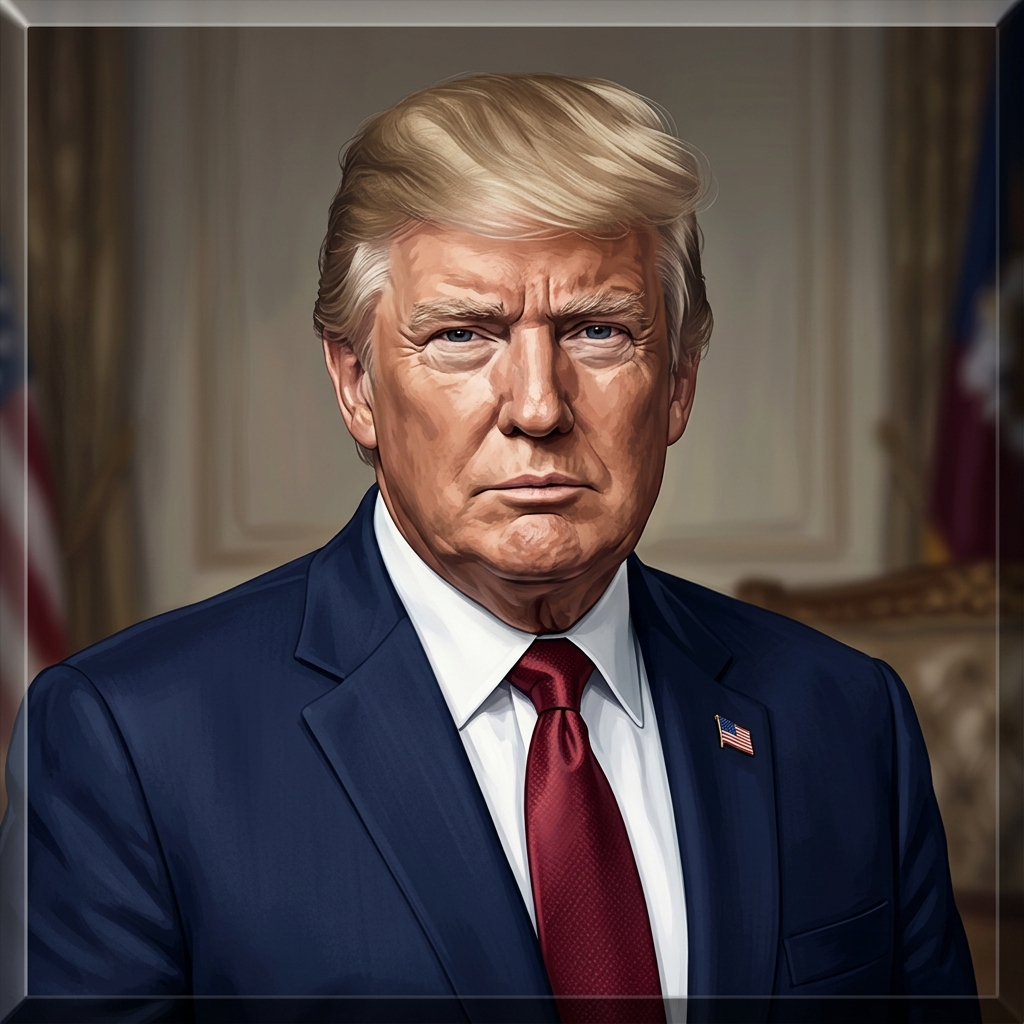
President Trump's plans for a massive 250-foot arch are moving forward, but opposition is growing over both its construction and its potential military use.
A Democratic critic has called the plans 'foolhardy'.
*AI-generated summary of publicly available data. This is not an official statement of any party.
*AI-generated summary of publicly available statements and reporting. This is not an official statement of this party.
Supporters of Democratic critics argue the arch symbolizes a militarized national identity they reject, contending that marking the border with a 250-foot military structure is "foolhardy" and contrary to the cultural values they believe the country should project.
Supporters of Democratic critics argue the 250-foot arch is a cultural statement, not just a structure, and that tying it to military use projects force rather than national identity.
Supporters of Democratic critics counter that national greatness is not fixed in stone but continually redefined by a changing, pluralistic culture.
Supporters of Democratic critics argue that using the 250-foot arch for military purposes raises legal concerns about executive overreach and compliance with congressional authorization.
Supporters of Democratic critics argue the arch's reported military use sidesteps Congress's constitutional war powers, so they contend any such plan needs explicit legal authorization, not unilateral executive action.
Democratic critics counter that Congress's power to declare war and fund military operations means executive action without statutory authorization exceeds presidential authority, regardless of the policy's wisdom.
Supporters of Democratic critics argue the arch is foolhardy because it concentrates power and resources in Trump's hands, and they contend that framing it as military use is a bid to shield it from scrutiny.
Supporters of Democratic critics argue the arch's real purpose is power projection, not symbolism; they maintain that branding it "foolhardy" signals resistance to Trump's military ambitions.
Democratic critics counter that symbols without material enforcement invite the very challenges they claim to deter, and that a monument no ally funds or rival fears signals vanity, not leverage.
Supporters of Democratic critics argue that pursuing a 250-foot arch for military use is morally foolhardy, diverting resources from urgent needs and risking escalation instead of investing in prosperity through markets.
Supporters of Democratic critics argue that spending on a 250-foot arch and its military use is foolhardy when that money could meet pressing public needs; they call it a moral misordering of priorities.
Supporters of Democratic critics counter that a 250-foot arch honors no one while funds could feed families, and that true moral stewardship means caring for people, not monuments.
Supporters of Democratic critics invoke scriptural warnings against prideful monuments, arguing that a 250-foot triumphal arch and its military use risk idolatry and misplaced trust in earthly power rather than in God.
Supporters of Democratic critics argue that a 250-foot arch used for military purposes defies the biblical call to beat swords into plowshares, insisting scripture judges such martial ambition as foolhardy.
Supporters of Democratic critics counter that Exodus 20:3-5 warns against graven images and idolatry, so elevating a partisan figure in sacred civic space risks worshipping power rather than God.
*AI-generated summary of publicly available statements and reporting. This is not an official statement of this party.
Supporters of Trump argue the arch honors America's heritage and national pride, a lasting cultural monument that affirms continuity and greatness rather than a "foolhardy" experiment.
Supporters of Trump argue the 250-foot arch honors America's heritage and enduring national pride, and they maintain that critics who call it "foolhardy" misunderstand the value of monuments in preserving cultural continuity.
Supporters of Trump counter that borders and monuments have always defined nations, and that securing them reflects, rather than rejects, a people's inherited right to self-rule and cultural continuity.
Supporters of Trump argue the arch is legally authorized executive action, and that critics calling it "foolhardy" offer no statute showing the military use exceeds presidential authority.
Supporters of Trump argue the arch is legally authorized executive construction, and that Democratic objections lack any cited statutory or constitutional basis.
Supporters of Trump counter that the executive already holds broad Article II authority over military construction, so congressional authorization is not required for every project.
Supporters of Trump argue the arch projects power and leverage, and that critics calling it "foolhardy" merely reveal they hold no say over a symbol meant to signal strength and deterrence.
Supporters of Trump argue the arch is leverage: the "foolhardy" label concedes it works, since critics fear the symbolism and military use more than the concrete.
Supporters of Trump counter that concentrating resources is the point: a visible, military-framed project forces critics to fight on turf where the president sets terms, and scrutiny only feeds the spectacle.
Supporters of Trump argue that a 250-foot arch serves national pride and defense, and that critics ignore its value to the country. They maintain that stewardship of national symbols matters morally.
Supporters of Trump argue that critics ignore the project's benefits, maintaining that the arch symbolizes national strength and that its military use serves security needs, not folly.
Supporters of Trump counter that a nation's first moral duty is deterrence, and they argue that weakness invites the very wars critics claim to fear.
Supporters of Trump argue the arch honors a nation under God, echoing the inherited tradition that public monuments consecrate national purpose.
Supporters of Trump argue the arch honors a nation under God, and they maintain that using it for defense reflects a duty to protect the inherited order.
Supporters of Trump counter that the arch honors fallen soldiers, and Scripture itself commends memorials like the stones of Joshua, so remembrance of sacrifice is fidelity, not idolatry.
AI-generated summary of publicly available statements and reporting. This is not an official statement of this party.
Supporters of Democratic critics argue the arch symbolizes a militarized national identity they reject, contending that marking the border with a 250-foot military structure is "foolhardy" and contrary to the cultural values they believe the country should project.
Supporters of Democratic critics argue the 250-foot arch is a cultural statement, not just a structure, and that tying it to military use projects force rather than national identity.
Supporters of Democratic critics counter that national greatness is not fixed in stone but continually redefined by a changing, pluralistic culture.
Supporters of Democratic critics argue that using the 250-foot arch for military purposes raises legal concerns about executive overreach and compliance with congressional authorization.
Supporters of Democratic critics argue the arch's reported military use sidesteps Congress's constitutional war powers, so they contend any such plan needs explicit legal authorization, not unilateral executive action.
Democratic critics counter that Congress's power to declare war and fund military operations means executive action without statutory authorization exceeds presidential authority, regardless of the policy's wisdom.
Supporters of Democratic critics argue the arch is foolhardy because it concentrates power and resources in Trump's hands, and they contend that framing it as military use is a bid to shield it from scrutiny.
Supporters of Democratic critics argue the arch's real purpose is power projection, not symbolism; they maintain that branding it "foolhardy" signals resistance to Trump's military ambitions.
Democratic critics counter that symbols without material enforcement invite the very challenges they claim to deter, and that a monument no ally funds or rival fears signals vanity, not leverage.
Supporters of Democratic critics argue that pursuing a 250-foot arch for military use is morally foolhardy, diverting resources from urgent needs and risking escalation instead of investing in prosperity through markets.
Supporters of Democratic critics argue that spending on a 250-foot arch and its military use is foolhardy when that money could meet pressing public needs; they call it a moral misordering of priorities.
Supporters of Democratic critics counter that a 250-foot arch honors no one while funds could feed families, and that true moral stewardship means caring for people, not monuments.
Supporters of Democratic critics invoke scriptural warnings against prideful monuments, arguing that a 250-foot triumphal arch and its military use risk idolatry and misplaced trust in earthly power rather than in God.
Supporters of Democratic critics argue that a 250-foot arch used for military purposes defies the biblical call to beat swords into plowshares, insisting scripture judges such martial ambition as foolhardy.
Supporters of Democratic critics counter that Exodus 20:3-5 warns against graven images and idolatry, so elevating a partisan figure in sacred civic space risks worshipping power rather than God.
Supporters of Trump argue the arch honors America's heritage and national pride, a lasting cultural monument that affirms continuity and greatness rather than a "foolhardy" experiment.
Supporters of Trump argue the 250-foot arch honors America's heritage and enduring national pride, and they maintain that critics who call it "foolhardy" misunderstand the value of monuments in preserving cultural continuity.
Supporters of Trump counter that borders and monuments have always defined nations, and that securing them reflects, rather than rejects, a people's inherited right to self-rule and cultural continuity.
Supporters of Trump argue the arch is legally authorized executive action, and that critics calling it "foolhardy" offer no statute showing the military use exceeds presidential authority.
Supporters of Trump argue the arch is legally authorized executive construction, and that Democratic objections lack any cited statutory or constitutional basis.
Supporters of Trump counter that the executive already holds broad Article II authority over military construction, so congressional authorization is not required for every project.
Supporters of Trump argue the arch projects power and leverage, and that critics calling it "foolhardy" merely reveal they hold no say over a symbol meant to signal strength and deterrence.
Supporters of Trump argue the arch is leverage: the "foolhardy" label concedes it works, since critics fear the symbolism and military use more than the concrete.
Supporters of Trump counter that concentrating resources is the point: a visible, military-framed project forces critics to fight on turf where the president sets terms, and scrutiny only feeds the spectacle.
Supporters of Trump argue that a 250-foot arch serves national pride and defense, and that critics ignore its value to the country. They maintain that stewardship of national symbols matters morally.
Supporters of Trump argue that critics ignore the project's benefits, maintaining that the arch symbolizes national strength and that its military use serves security needs, not folly.
Supporters of Trump counter that a nation's first moral duty is deterrence, and they argue that weakness invites the very wars critics claim to fear.
Supporters of Trump argue the arch honors a nation under God, echoing the inherited tradition that public monuments consecrate national purpose.
Supporters of Trump argue the arch honors a nation under God, and they maintain that using it for defense reflects a duty to protect the inherited order.
Supporters of Trump counter that the arch honors fallen soldiers, and Scripture itself commends memorials like the stones of Joshua, so remembrance of sacrifice is fidelity, not idolatry.
Opposition to building the 250-foot arch, and using it for military purposes, is growing with one Democrat blasting Trump's plans as "foolhardy".