E. Jean Carroll

VS
Trump
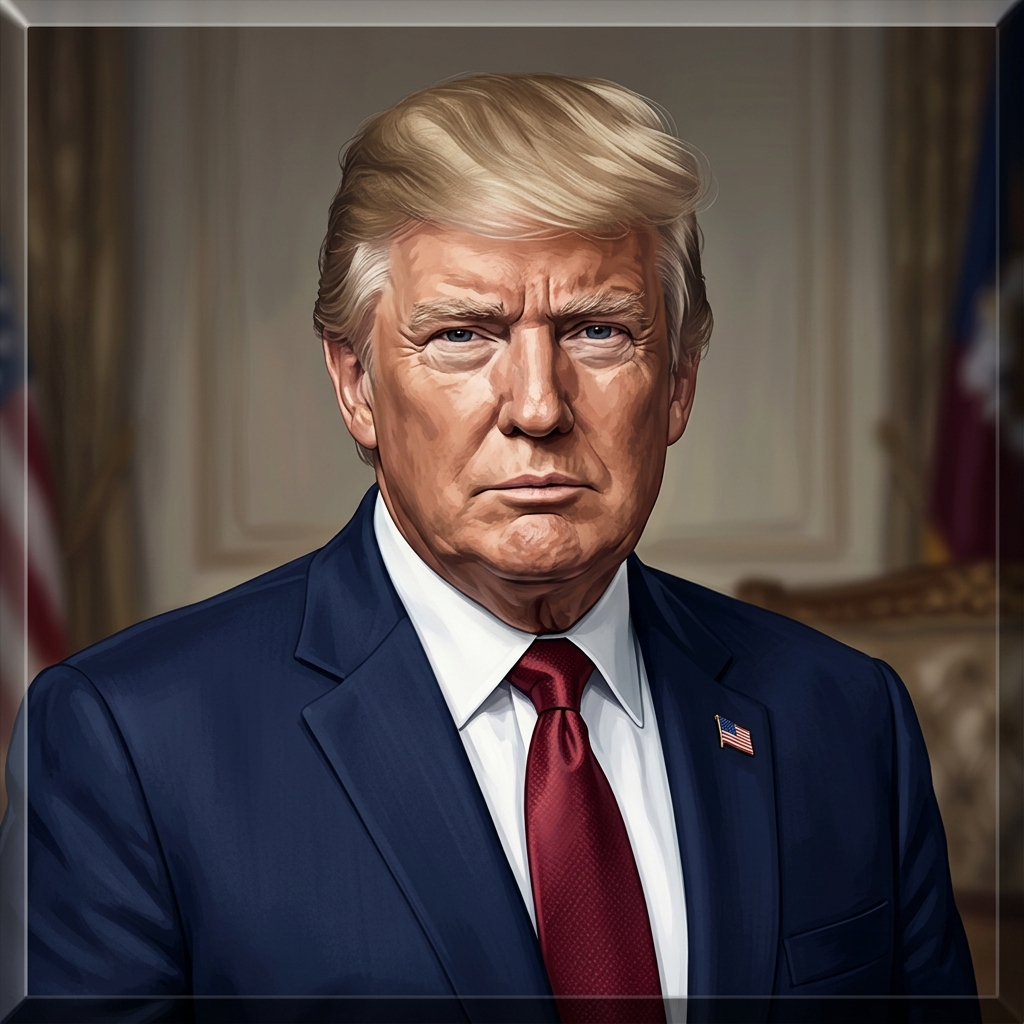
E.
Jean Carroll is a former advice columnist who accused Donald Trump, the former President of the United States, of sexually assaulting her in the mid-1990s.
Trump has denied the allegations.
In 2022, Carroll filed a lawsuit against Trump, claiming defamation and battery, after Trump made statements denying her accusations.
The case went to trial in a federal court in Manhattan, where a jury found Trump liable for sexually abusing Carroll and defaming her.
The jury awarded Carroll $5 million in damages.
Trump has sought to overturn the verdict, arguing that the case was legally flawed and that he was protected by presidential immunity.
The Supreme Court has rejected Trump's attempts to have the verdict overturned, and he has paid over $5 million in damages.
*AI-generated summary of publicly available data. This is not an official statement of any party.
*AI-generated summary of publicly available statements and reporting. This is not an official statement of this party.
Supporters of E. Jean Carroll argue that the Supreme Court’s refusal marks a cultural shift, affirming that accountability for abuse outlasts presidential power, a precedent echoing past reckonings.
Supporters of E. Jean Carroll argue that the Supreme Court's rejection affirms a cultural shift where presidential power no longer shields personal misconduct from legal accountability.
Supporters of E.
Supporters of E. Jean Carroll argue the Supreme Court’s rejection confirms that presidential immunity does not shield private misconduct, and they maintain the verdict’s legal validity rests on settled evidentiary standards, not executive office.
Supporters of E. Jean Carroll argue that the Supreme Court's rejection affirms the rule of law, holding that presidential immunity does not shield a private citizen's post-presidency misconduct.
Supporters of E. Jean Carroll counter that the Supreme Court's denial does not affirm immunity, but rather leaves intact the jury's factual finding that Trump's statements were personal, not official.
Supporters of E. Jean Carroll argue the Supreme Court’s rejection is purely a pragmatic win: presidential power bends to legal precedent, and Trump’s paid damages signal the verdict’s finality.
Supporters of E. Jean Carroll argue that Trump’s repeated appeals are a calculated delay tactic, not a legal principle, and the Supreme Court’s rejection signals that his immunity play is a losing hand.
Supporters of E. Jean Carroll counter that Trump’s team exploited delay tactics, not law, forcing a jury verdict on the merits—while immunity claims were waived by his own failure to raise them earlier.
Supporters of E. Jean Carroll argue that finality in civil judgments is a moral guard against power, and they see the Supreme Court’s rejection as proof that no public office elevates one citizen above legal accountability for private harm.
Supporters of E. Jean Carroll argue that the Supreme Court’s rejection affirms a moral duty to uphold legal accountability, viewing presidential immunity as no shield against proven personal wrongdoing.
Supporters of E. Jean Carroll counter that the moral weight of a jury’s verdict on private misconduct cannot be sacrificed to the presidency’s shield, as the office itself demands accountability, not immunity from personal wrongdoing.
Supporters of E. Jean Carroll argue that her pursuit of justice reflects a moral duty to confront falsehood, citing scripture that truthfulness is sacred, while Trump’s immunity claim is seen as a misuse of power, not divine law.
Supporters of E. Jean Carroll argue that truth and justice are sacred duties, viewing the court's verdict as a moral reckoning that presidential power cannot override.
Supporters of E. Jean Carroll counter that divine law holds all leaders to the same standard of truth, citing Proverbs 11:1—no office is a covenant shielding abuse.
*AI-generated summary of publicly available statements and reporting. This is not an official statement of this party.
Supporters of Trump argue that the case reflects a cultural attack on his public persona, framing the verdict as a legal weapon wielded by political opponents to undermine his legitimacy as a national leader.
Supporters of Trump argue that the verdict against him reflects a cultural erosion of trust in institutions, where legal proceedings are used to settle personal grievances rather than uphold national standards of justice.
Supporters of Trump counter that the Supreme Court’s refusal is not a cultural shift but a legal formality, leaving the verdict’s legitimacy contested by millions who see the case as a political weapon against a former president, not a reckoning.
Supporters of Trump argue that the Supreme Court's refusal to hear the appeal leaves unresolved the legal question of presidential immunity, which they maintain should shield a president's official statements from defamation claims.
Supporters of Trump argue that the Supreme Court’s refusal to review the Carroll verdict sidesteps the unresolved legal question of whether presidential immunity shields official conduct from state civil suits, leaving a dangerous precedent for future executives.
Supporters of Trump counter that the Supreme Court’s ruling leaves unresolved the question of official-act immunity, and they argue the jury’s verdict conflates presidential duties with private conduct, undermining the constitutional separation of powers.
Supporters of Trump argue the Court's refusal is raw politics, not law, since Carroll's claim survived on a technicality while presidential immunity was never truly weighed.
Supporters of Trump argue the Court’s refusal is pure politics, not law, noting Carroll’s verdict survived only because judges ignored presidential immunity and the statute of limitations, a transactional win for his accusers.
Supporters of Trump counter that the Court’s rejection sidesteps the real power play: a jury verdict driven by political bias, not law, and the payment is a calculated cost to clear the legal battlefield for the next round.
Supporters of Trump argue that the moral weight of a verdict must yield to the constitutional principle that a president’s official duties cannot be shadowed by private litigation, and they view the Court’s refusal as a failure to safeguard the integrity of the office itself.
Supporters of Trump argue that the moral weight of the verdict is undermined by a legal process they see as politically driven, and they maintain that applying presidential immunity here would uphold the principle that a president’s official duties shield them from civil liabilit.
Supporters of Trump counter that the Supreme Court’s rejection does not erase the jury’s verdict, but they argue that moral accountability must weigh the weaponization of civil law against a public figure’s right to defend reputation.
Supporters of Trump argue the verdict reflects a secular legal system overriding the moral order of presidential authority, viewing the Court's refusal as a rejection of the protective covenant between the nation and its leader.
Supporters of Trump argue that the verdict against him erodes the sacred trust in legal precedent and the rule of law, urging that the court's rejection disregards the principle of finality and the protection of public servants from post-presidential legal vendettas.
Supporters of Trump counter that divine law upholds the presumption of innocence, not the verdict of a biased jury, and that Carroll’s testimony lacks the scriptural standard of two witnesses, making her claim a weapon of political persecution rather than truth.
AI-generated summary of publicly available statements and reporting. This is not an official statement of this party.
Supporters of E. Jean Carroll argue that the Supreme Court’s refusal marks a cultural shift, affirming that accountability for abuse outlasts presidential power, a precedent echoing past reckonings.
Supporters of E. Jean Carroll argue that the Supreme Court's rejection affirms a cultural shift where presidential power no longer shields personal misconduct from legal accountability.
Supporters of E.
Supporters of E. Jean Carroll argue the Supreme Court’s rejection confirms that presidential immunity does not shield private misconduct, and they maintain the verdict’s legal validity rests on settled evidentiary standards, not executive office.
Supporters of E. Jean Carroll argue that the Supreme Court's rejection affirms the rule of law, holding that presidential immunity does not shield a private citizen's post-presidency misconduct.
Supporters of E. Jean Carroll counter that the Supreme Court's denial does not affirm immunity, but rather leaves intact the jury's factual finding that Trump's statements were personal, not official.
Supporters of E. Jean Carroll argue the Supreme Court’s rejection is purely a pragmatic win: presidential power bends to legal precedent, and Trump’s paid damages signal the verdict’s finality.
Supporters of E. Jean Carroll argue that Trump’s repeated appeals are a calculated delay tactic, not a legal principle, and the Supreme Court’s rejection signals that his immunity play is a losing hand.
Supporters of E. Jean Carroll counter that Trump’s team exploited delay tactics, not law, forcing a jury verdict on the merits—while immunity claims were waived by his own failure to raise them earlier.
Supporters of E. Jean Carroll argue that finality in civil judgments is a moral guard against power, and they see the Supreme Court’s rejection as proof that no public office elevates one citizen above legal accountability for private harm.
Supporters of E. Jean Carroll argue that the Supreme Court’s rejection affirms a moral duty to uphold legal accountability, viewing presidential immunity as no shield against proven personal wrongdoing.
Supporters of E. Jean Carroll counter that the moral weight of a jury’s verdict on private misconduct cannot be sacrificed to the presidency’s shield, as the office itself demands accountability, not immunity from personal wrongdoing.
Supporters of E. Jean Carroll argue that her pursuit of justice reflects a moral duty to confront falsehood, citing scripture that truthfulness is sacred, while Trump’s immunity claim is seen as a misuse of power, not divine law.
Supporters of E. Jean Carroll argue that truth and justice are sacred duties, viewing the court's verdict as a moral reckoning that presidential power cannot override.
Supporters of E. Jean Carroll counter that divine law holds all leaders to the same standard of truth, citing Proverbs 11:1—no office is a covenant shielding abuse.
Supporters of Trump argue that the case reflects a cultural attack on his public persona, framing the verdict as a legal weapon wielded by political opponents to undermine his legitimacy as a national leader.
Supporters of Trump argue that the verdict against him reflects a cultural erosion of trust in institutions, where legal proceedings are used to settle personal grievances rather than uphold national standards of justice.
Supporters of Trump counter that the Supreme Court’s refusal is not a cultural shift but a legal formality, leaving the verdict’s legitimacy contested by millions who see the case as a political weapon against a former president, not a reckoning.
Supporters of Trump argue that the Supreme Court's refusal to hear the appeal leaves unresolved the legal question of presidential immunity, which they maintain should shield a president's official statements from defamation claims.
Supporters of Trump argue that the Supreme Court’s refusal to review the Carroll verdict sidesteps the unresolved legal question of whether presidential immunity shields official conduct from state civil suits, leaving a dangerous precedent for future executives.
Supporters of Trump counter that the Supreme Court’s ruling leaves unresolved the question of official-act immunity, and they argue the jury’s verdict conflates presidential duties with private conduct, undermining the constitutional separation of powers.
Supporters of Trump argue the Court's refusal is raw politics, not law, since Carroll's claim survived on a technicality while presidential immunity was never truly weighed.
Supporters of Trump argue the Court’s refusal is pure politics, not law, noting Carroll’s verdict survived only because judges ignored presidential immunity and the statute of limitations, a transactional win for his accusers.
Supporters of Trump counter that the Court’s rejection sidesteps the real power play: a jury verdict driven by political bias, not law, and the payment is a calculated cost to clear the legal battlefield for the next round.
Supporters of Trump argue that the moral weight of a verdict must yield to the constitutional principle that a president’s official duties cannot be shadowed by private litigation, and they view the Court’s refusal as a failure to safeguard the integrity of the office itself.
Supporters of Trump argue that the moral weight of the verdict is undermined by a legal process they see as politically driven, and they maintain that applying presidential immunity here would uphold the principle that a president’s official duties shield them from civil liabilit.
Supporters of Trump counter that the Supreme Court’s rejection does not erase the jury’s verdict, but they argue that moral accountability must weigh the weaponization of civil law against a public figure’s right to defend reputation.
Supporters of Trump argue the verdict reflects a secular legal system overriding the moral order of presidential authority, viewing the Court's refusal as a rejection of the protective covenant between the nation and its leader.
Supporters of Trump argue that the verdict against him erodes the sacred trust in legal precedent and the rule of law, urging that the court's rejection disregards the principle of finality and the protection of public servants from post-presidential legal vendettas.
Supporters of Trump counter that divine law upholds the presumption of innocence, not the verdict of a biased jury, and that Carroll’s testimony lacks the scriptural standard of two witnesses, making her claim a weapon of political persecution rather than truth.
E. Jean Carroll received $5.6 million in damages from Trump, which includes the $5 million jury award plus interest and other adjustments.
Trump filed a petition for reconsideration of the $5 million verdict, which the Supreme Court may consider in August.
The US Supreme Court refused to hear Donald Trump's appeal in the E Jean Carroll case, upholding the lower court's decision.
The Supreme Court again declined to hear Trump's appeal to overturn the Carroll verdict.
The U.S. Court of Appeals for the Second Circuit issued an opinion in the case, addressing the jury's findings and the legal challenges raised by Trump.
A federal jury in Manhattan found Trump liable for sexually abusing Carroll and defaming her, awarding her $5 million in damages.
E. Jean Carroll filed a second lawsuit against Donald Trump, renewing her defamation claim and adding a battery claim under New York law.