Oman

VS
US
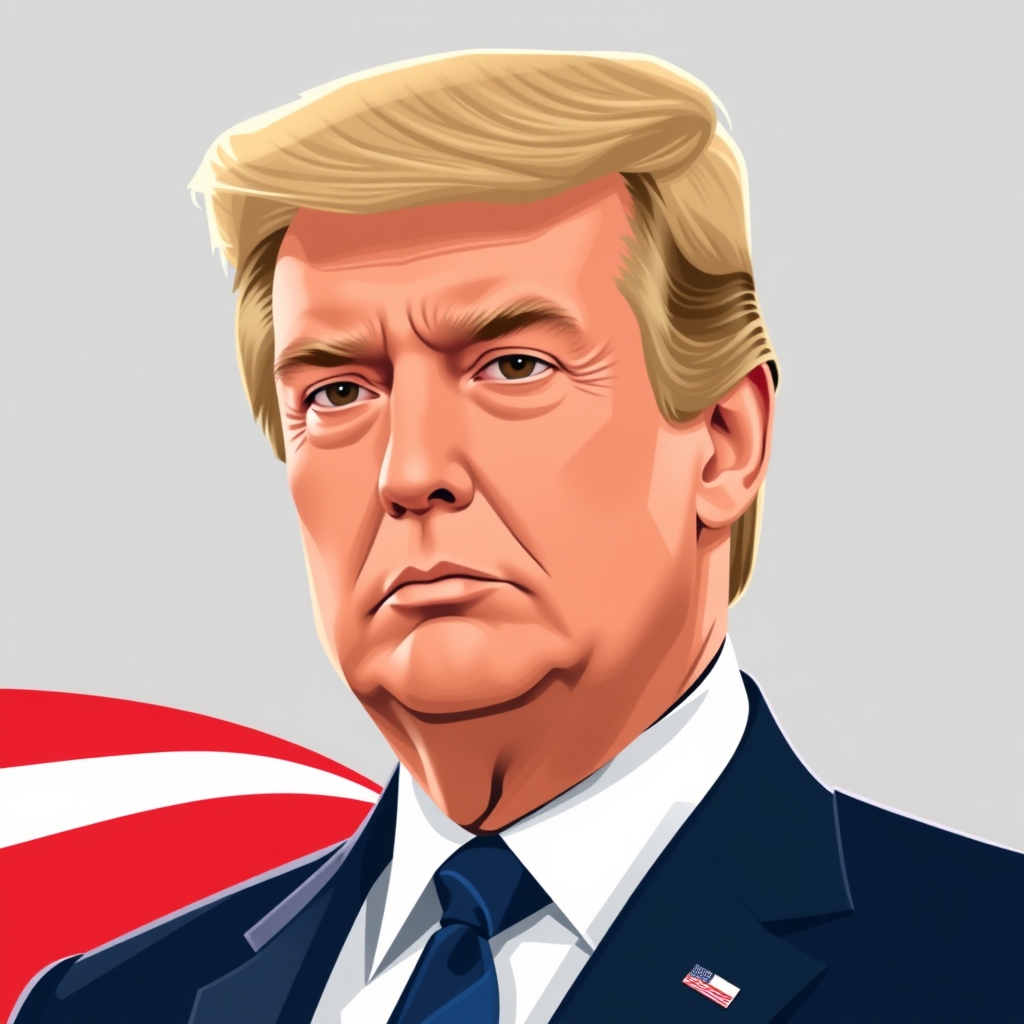
The United States and Oman are two nations with distinct geopolitical roles.
The United States is a global superpower with significant military and economic influence, while Oman is a strategically located sultanate on the Arabian Peninsula, known for its diplomatic neutrality and mediation efforts in regional conflicts.
Both countries have historically maintained cooperative relations, with Oman serving as a key partner for US interests in the Middle East.
The conflict arises from the closure of the Strait of Hormuz, a critical maritime chokepoint for global oil shipments, during the US war with Iran.
The US and Oman are separately negotiating to reopen the strait, but their approaches have led to a diplomatic standoff.
President Trump has threatened to bomb Oman if it interferes with US efforts, escalating tensions between the two allies.
The stakes are high, as the Strait of Hormuz's closure threatens global energy supplies and regional stability.
The dispute underscores the delicate balance between US military objectives and Oman's independent foreign policy, which often seeks to maintain dialogue with all parties in regional conflicts.
*AI-generated summary of publicly available data. This is not an official statement of any party.
*AI-generated summary of publicly available statements and reporting. This is not an official statement of this party.
Supporters of Oman argue that its centuries-old role as a trusted Gulf mediator is being disregarded, as Washington's ultimatum ignores Omani cultural norms of quiet diplomacy and neutrality.
Supporters of Oman argue that the sultanate’s centuries-old tradition of quiet mediation, not coercion, is the true path to reopening the Strait of Hormuz, viewing Washington's threats as a break with the diplomatic norms that have long defined Gulf stability.
Supporters of Oman counter that the Gulf’s strategic culture has long honored independent mediation, from Muscat’s 1980s hostage diplomacy to its current neutrality, not uniform alignment with Washington.
Supporters of Oman argue that threats of military force violate the UN Charter’s prohibition on the use of force against sovereign states, and that Oman’s independent negotiations are a lawful exercise of its diplomatic rights.
Supporters of Oman argue that the US threat violates international law, which prohibits coercive threats against sovereign states, citing the UN Charter’s bar on force in diplomacy.
Supporters of Oman counter that UN Security Council Resolution 2722 explicitly reaffirms coastal states’ sovereign rights to regulate maritime traffic within their territorial waters, and that Oman’s legal position rests on this binding framework, not obstruction.
Supporters of Oman argue that Washington’s threat exposes raw coercion, not partnership; Oman’s leverage lies in its choke-point geography, which it can weaponize by stalling talks.
Supporters of Oman argue the sultanate plays the only viable card in this standoff: its geographic chokehold on the Strait, which alone forces Washington to negotiate rather than dictate terms.
Supporters of Oman counter that Washington’s leverage is already hollow, since Oman’s quiet channel keeps oil flowing and Gulf states compliant, while Trump’s threat merely exposes U.S. dependence on Muscat’s mediation to avoid a wider war.
Supporters of Oman argue that threats of bombing a negotiating partner violate the moral duty to resolve disputes through diplomacy, not coercion.
Supporters of Oman argue that threatening to bomb a neutral mediator violates the moral duty to protect diplomacy over coercion.
Supporters of Oman counter that threatening a sovereign nation to enforce law undermines the very moral order it claims to protect, as coercion erodes trust and dignity more than any single strait closure could.
Supporters of Oman argue that its mediation role reflects a sacred duty to preserve regional harmony, not defiance of the US; they see Oman's quiet diplomacy as rooted in Islamic tradition of peacemaking, which transcends unilateral threats.
Supporters of Oman argue that the Strait’s reopening must honor sacred maritime tradition, where diplomacy precedes force, as divine law condemns breaking covenants with allies.
Supporters of Oman counter that divine providence calls for restraint, not domination, and that forcing the Strait’s reopening risks a holy war, whereas Oman’s mediation honors God’s command to preserve life and peace among nations.
*AI-generated summary of publicly available statements and reporting. This is not an official statement of this party.
Supporters of the US argue that Oman's independent reopening talks undermine the shared strategic culture of Gulf security, where coordination with Washington is a longstanding norm.
Supporters of the US argue that Oman’s distinct cultural identity as a historic maritime mediator cannot override Washington’s strategic imperative to secure the Strait, a vital artery for global trade.
Supporters of the US counter that Omani quiet diplomacy has failed to address the cultural threat of Iranian expansion, arguing that Washington's firm stance protects shared Western values that Oman's neutrality undermines.
Supporters of the US argue that Oman, as a sovereign state, cannot legally obstruct a UN-backed reopening of a vital international waterway, and that Washington's warning is a lawful deterrent against interference.
Supporters of the US argue that Oman's separate talks undermine Washington's lawful command authority over a wartime strait, making Trump's threat a permissible deterrent under self-defense and treaty obligations.
Supporters of the US counter that UN Charter Article 51 preserves self-defense, and credible military pressure is lawful leverage where Oman’s negotiations stall, enabling a practical, enforceable outcome over abstract sovereignty claims.
Supporters of the US argue that Oman’s separate talks undermine Washington’s leverage, so Trump’s threat is a blunt signal that only American pressure can secure the strait.
Supporters of the US argue that Trump’s threat to Oman is raw power politics: the Strait’s closure is a strategic choke point, and Washington’s leverage over a small ally outweighs diplomatic niceties.
Supporters of the US counter that Oman’s geography cuts both ways, as Washington’s naval presence can reroute traffic or pressure Muscat’s economy, making any stalling a costly bluff rather than a real lever.
Supporters of the US argue that threatening Oman is morally justified to uphold global maritime law and prevent economic collapse, viewing the reopening of the Strait as a humanitarian duty that overrides bilateral loyalty.
Supporters of the US argue that threatening Oman is a moral failure, as it coerces a neutral ally into a conflict, undermining the very international norms the US claims to uphold.
Supporters of the US counter that Oman’s framing ignores a moral duty to prevent mass atrocities, where coercive threats serve as a last-resort shield for vulnerable populations, not a rejection of diplomacy.
Supporters of the US argue that divine providence has entrusted America with securing global order, and that Oman’s obstruction of reopening the Strait defies a sacred duty to protect innocent nations from Iran’s blockade.
Supporters of the US argue that divine providence entrusts America with safeguarding global maritime order, making Oman’s obstruction a moral failure against God’s will for peaceable commerce.
Supporters of the US counter that Oman's mediation, while rooted in Islamic peacemaking tradition, must not overshadow the divine mandate for justice against tyranny, as scripture calls for resisting oppression over false harmony.
AI-generated summary of publicly available statements and reporting. This is not an official statement of this party.
Supporters of Oman argue that its centuries-old role as a trusted Gulf mediator is being disregarded, as Washington's ultimatum ignores Omani cultural norms of quiet diplomacy and neutrality.
Supporters of Oman argue that the sultanate’s centuries-old tradition of quiet mediation, not coercion, is the true path to reopening the Strait of Hormuz, viewing Washington's threats as a break with the diplomatic norms that have long defined Gulf stability.
Supporters of Oman counter that the Gulf’s strategic culture has long honored independent mediation, from Muscat’s 1980s hostage diplomacy to its current neutrality, not uniform alignment with Washington.
Supporters of Oman argue that threats of military force violate the UN Charter’s prohibition on the use of force against sovereign states, and that Oman’s independent negotiations are a lawful exercise of its diplomatic rights.
Supporters of Oman argue that the US threat violates international law, which prohibits coercive threats against sovereign states, citing the UN Charter’s bar on force in diplomacy.
Supporters of Oman counter that UN Security Council Resolution 2722 explicitly reaffirms coastal states’ sovereign rights to regulate maritime traffic within their territorial waters, and that Oman’s legal position rests on this binding framework, not obstruction.
Supporters of Oman argue that Washington’s threat exposes raw coercion, not partnership; Oman’s leverage lies in its choke-point geography, which it can weaponize by stalling talks.
Supporters of Oman argue the sultanate plays the only viable card in this standoff: its geographic chokehold on the Strait, which alone forces Washington to negotiate rather than dictate terms.
Supporters of Oman counter that Washington’s leverage is already hollow, since Oman’s quiet channel keeps oil flowing and Gulf states compliant, while Trump’s threat merely exposes U.S. dependence on Muscat’s mediation to avoid a wider war.
Supporters of Oman argue that threats of bombing a negotiating partner violate the moral duty to resolve disputes through diplomacy, not coercion.
Supporters of Oman argue that threatening to bomb a neutral mediator violates the moral duty to protect diplomacy over coercion.
Supporters of Oman counter that threatening a sovereign nation to enforce law undermines the very moral order it claims to protect, as coercion erodes trust and dignity more than any single strait closure could.
Supporters of Oman argue that its mediation role reflects a sacred duty to preserve regional harmony, not defiance of the US; they see Oman's quiet diplomacy as rooted in Islamic tradition of peacemaking, which transcends unilateral threats.
Supporters of Oman argue that the Strait’s reopening must honor sacred maritime tradition, where diplomacy precedes force, as divine law condemns breaking covenants with allies.
Supporters of Oman counter that divine providence calls for restraint, not domination, and that forcing the Strait’s reopening risks a holy war, whereas Oman’s mediation honors God’s command to preserve life and peace among nations.
Supporters of the US argue that Oman's independent reopening talks undermine the shared strategic culture of Gulf security, where coordination with Washington is a longstanding norm.
Supporters of the US argue that Oman’s distinct cultural identity as a historic maritime mediator cannot override Washington’s strategic imperative to secure the Strait, a vital artery for global trade.
Supporters of the US counter that Omani quiet diplomacy has failed to address the cultural threat of Iranian expansion, arguing that Washington's firm stance protects shared Western values that Oman's neutrality undermines.
Supporters of the US argue that Oman, as a sovereign state, cannot legally obstruct a UN-backed reopening of a vital international waterway, and that Washington's warning is a lawful deterrent against interference.
Supporters of the US argue that Oman's separate talks undermine Washington's lawful command authority over a wartime strait, making Trump's threat a permissible deterrent under self-defense and treaty obligations.
Supporters of the US counter that UN Charter Article 51 preserves self-defense, and credible military pressure is lawful leverage where Oman’s negotiations stall, enabling a practical, enforceable outcome over abstract sovereignty claims.
Supporters of the US argue that Oman’s separate talks undermine Washington’s leverage, so Trump’s threat is a blunt signal that only American pressure can secure the strait.
Supporters of the US argue that Trump’s threat to Oman is raw power politics: the Strait’s closure is a strategic choke point, and Washington’s leverage over a small ally outweighs diplomatic niceties.
Supporters of the US counter that Oman’s geography cuts both ways, as Washington’s naval presence can reroute traffic or pressure Muscat’s economy, making any stalling a costly bluff rather than a real lever.
Supporters of the US argue that threatening Oman is morally justified to uphold global maritime law and prevent economic collapse, viewing the reopening of the Strait as a humanitarian duty that overrides bilateral loyalty.
Supporters of the US argue that threatening Oman is a moral failure, as it coerces a neutral ally into a conflict, undermining the very international norms the US claims to uphold.
Supporters of the US counter that Oman’s framing ignores a moral duty to prevent mass atrocities, where coercive threats serve as a last-resort shield for vulnerable populations, not a rejection of diplomacy.
Supporters of the US argue that divine providence has entrusted America with securing global order, and that Oman’s obstruction of reopening the Strait defies a sacred duty to protect innocent nations from Iran’s blockade.
Supporters of the US argue that divine providence entrusts America with safeguarding global maritime order, making Oman’s obstruction a moral failure against God’s will for peaceable commerce.
Supporters of the US counter that Oman's mediation, while rooted in Islamic peacemaking tradition, must not overshadow the divine mandate for justice against tyranny, as scripture calls for resisting oppression over false harmony.
The US and Oman have separately been negotiating to reopen the Strait of Hormuz, a waterway that has been closed during the US war with Iran.