EU and Canada
VS
Trump
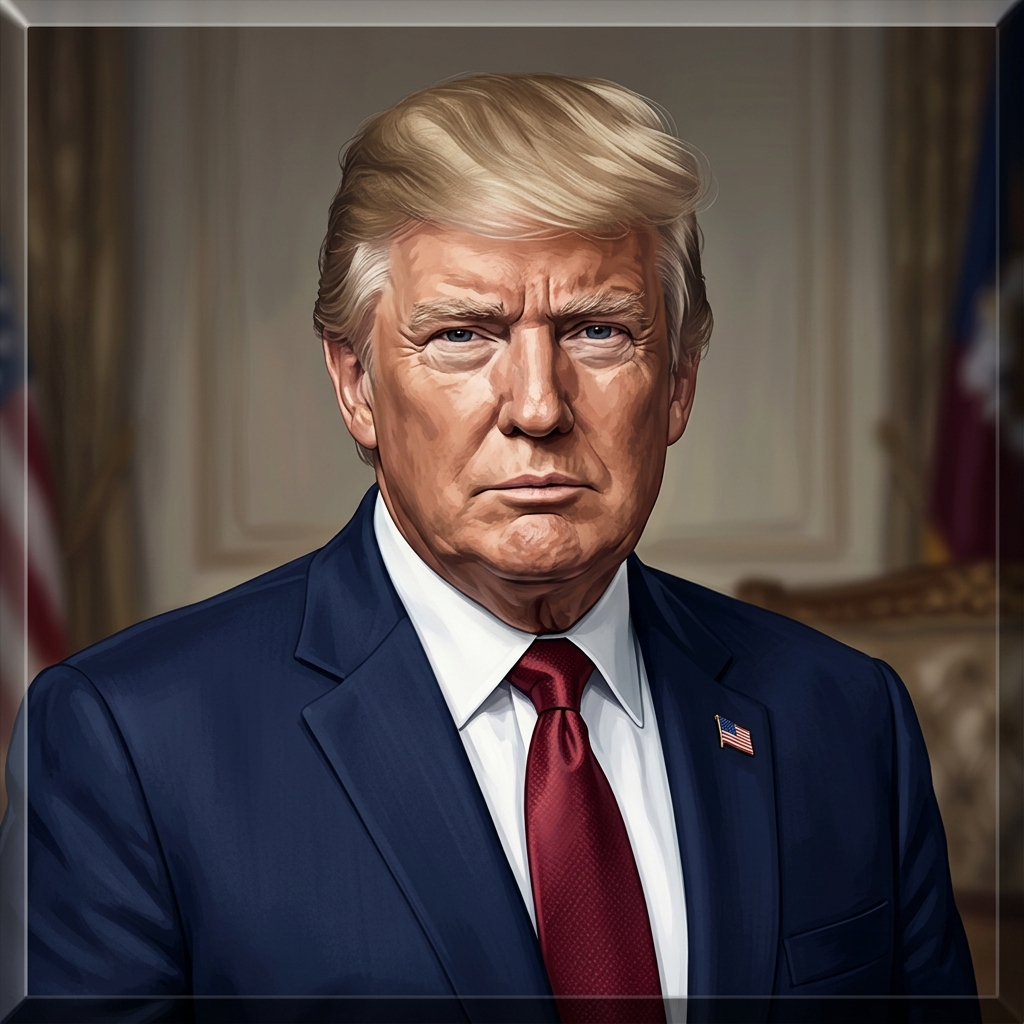
Donald Trump is the President of the United States, whose administration has pursued an "America First" trade and foreign policy agenda.
The European Union is a political and economic union of European states, led in this context by European Commission President Ursula von der Leyen, and Canada is a North American country whose Prime Minister is Mark Carney.
The conflict centers on a European Commission proposal, reportedly advanced by von der Leyen, to make Canada the EU's first "associate member." Trump has objected to the plan, calling it a potential "hostile act" and threatening the EU with "serious tariffs" over the move.
Carney has welcomed the associate membership plan and pushed back against Trump's threats, insisting Canada will deepen its ties with Europe.
The dispute raises questions about the geopolitical implications of closer EU-Canada relations and about the use of tariff threats as a response to other countries' diplomatic and economic partnerships.
*AI-generated summary of publicly available data. This is not an official statement of any party.
*AI-generated summary of publicly available statements and reporting. This is not an official statement of this party.
Supporters of EU and Canada see deeper ties as a natural extension of shared democratic traditions and cultural continuity, arguing that sovereign partnerships built on inherited institutions strengthen order rather than threaten it.
Supporters of EU and Canada see deeper ties as a natural extension of shared cultural and legal traditions, and argue that sovereign partnerships between longstanding allies are legitimate, not hostile.
Supporters of EU and Canada counter that shared democratic traditions, not blood-and-soil lineage, define modern partnership; Canada's Crown heritage coexists with deep European ties.
Supporters of the EU and Canada argue that deepening bilateral ties is a sovereign, treaty-based right, not a hostile act; they maintain that Trump's framing lacks any legal basis under international or trade law.
Supporters of the EU and Canada argue that deepening ties between sovereign partners is a lawful exercise of their own treaty-making authority, not a hostile act.
Supporters of the EU and Canada counter that associate membership is a lawful, treaty-based status, not a hostile act, and that the U.S. remains free to negotiate its own terms.
Supporters of EU and Canada argue that deeper EU-Canada ties are a sovereign hedge against US leverage; they see Trump's "hostile act" framing as bargaining pressure, not principle.
Supporters of the EU and Canada argue that Trump's "hostile act" framing is itself leverage: tying Canada closer to Brussels raises the cost of US pressure and diversifies Ottawa's options.
Supporters of EU and Canada counter that Trump's framing misreads the incentives: the bloc deepens ties precisely because Washington's unpredictability makes diversification rational, not disloyal.
Supporters of the EU and Canada argue that sovereign nations freely choosing closer ties is legitimate, not hostile, invoking a moral precedent that alliances formed by consent differ fundamentally from coercion.
Supporters of EU and Canada argue that sovereign nations freely choosing closer ties is legitimate, not hostility; they invoke historical precedent that trade and alliance among democracies have long strengthened peace.
Supporters of EU and Canada counter that excluding a willing democracy from shared climate and trade rules on sovereignty grounds abandons the moral duty to cooperate, not protects it.
Supporters of the EU and Canada frame their partnership as a moral good, arguing that neighborly cooperation and peaceful union reflect a duty to pursue fellowship over division.
Supporters of EU and Canada maintain that nations are called to pursue peaceful, honest ties across borders, and they cite scripture's counsel to live at peace with all, arguing that closer partnership reflects neighborly goodwill rather than hostility.
Supporters of EU and Canada counter that scripture commands honor and justice toward the stranger and neighbor alike, so Canada's ties with Europe need not sever the bonds of North American neighborliness.
*AI-generated summary of publicly available statements and reporting. This is not an official statement of this party.
Supporters of Trump invoke a cultural-historical precedent: they argue blocs like the EU erode national sovereignty, and they point to Canada's British Crown heritage as reason to resist absorption into European structures.
Supporters of Trump read EU-Canada ties through a cultural lens, arguing that shared colonial and linguistic heritage binds Canada to the Anglosphere, so deeper EU integration risks diluting that identity.
Supporters of Trump counter that shared institutions fade without shared culture, and that EU and Canadian ties dilute national identity rather than extend it.
Supporters of Trump argue that the EU granting Canada associate membership could be a hostile act, contending that such legal alignment threatens U.S. sovereignty and existing trade terms.
Supporters of Trump argue that under international law sovereignty is preserved through consent, so an EU-Canada associate membership that deepens legal and regulatory integration without US input could constitute a hostile act.
Supporters of Trump counter that sovereignty cuts both ways: if the EU and Canada may deepen ties, the U.S. may lawfully respond with tariffs under its own trade statutes, so the legal objection proves too much.
Supporters of Trump argue that EU-Canada ties are a power play, so naming it hostile signals that Washington will treat deepened bloc loyalty as a cost, not a courtesy.
Supporters of Trump argue that warning the EU over Canada is leverage: naming a "hostile act" preemptively raises the cost of deeper EU-Canada integration, forcing Brussels to weigh trade access against Washington's displeasure.
Supporters of Trump counter that the EU-Canada pact is less a hedge than a dependency swap, and that framing it as sovereignty ignores how leverage actually shifts when trade routes and defense guarantees still run through Washington.
Supporters of Trump argue that letting Canada into the EU blurs sovereignty and weakens shared environmental and trade rules, calling it a hostile act against existing North American agreements.
Supporters of Trump argue that letting Canada join the EU as an associate member is a hostile act because it expands EU influence into North America and undermines sovereignty.
Supporters of Trump counter that consent alone cannot justify alliances that lock out U.S. industry, arguing that moral legitimacy requires fair terms, not just voluntary membership.
Supporters of Trump, invoking sovereignty as a God-given ordering of nations, argue that Canada's deeper EU ties threaten the inherited bonds of North American neighborliness and tradition.
Supporters of Trump, viewing Western ties as rooted in shared Christian heritage and sovereign tradition, argue that Canada's deeper union with the EU risks diluting that inherited bond, which they see as a hostile act against historic alliances.
Supporters of Trump counter that nations are God-ordained stewards of their own people, so peace is not served by ceding sovereignty to a union; they argue true fellowship honors each country's inherited order, not its dissolution.
AI-generated summary of publicly available statements and reporting. This is not an official statement of this party.
Supporters of EU and Canada see deeper ties as a natural extension of shared democratic traditions and cultural continuity, arguing that sovereign partnerships built on inherited institutions strengthen order rather than threaten it.
Supporters of EU and Canada see deeper ties as a natural extension of shared cultural and legal traditions, and argue that sovereign partnerships between longstanding allies are legitimate, not hostile.
Supporters of EU and Canada counter that shared democratic traditions, not blood-and-soil lineage, define modern partnership; Canada's Crown heritage coexists with deep European ties.
Supporters of the EU and Canada argue that deepening bilateral ties is a sovereign, treaty-based right, not a hostile act; they maintain that Trump's framing lacks any legal basis under international or trade law.
Supporters of the EU and Canada argue that deepening ties between sovereign partners is a lawful exercise of their own treaty-making authority, not a hostile act.
Supporters of the EU and Canada counter that associate membership is a lawful, treaty-based status, not a hostile act, and that the U.S. remains free to negotiate its own terms.
Supporters of EU and Canada argue that deeper EU-Canada ties are a sovereign hedge against US leverage; they see Trump's "hostile act" framing as bargaining pressure, not principle.
Supporters of the EU and Canada argue that Trump's "hostile act" framing is itself leverage: tying Canada closer to Brussels raises the cost of US pressure and diversifies Ottawa's options.
Supporters of EU and Canada counter that Trump's framing misreads the incentives: the bloc deepens ties precisely because Washington's unpredictability makes diversification rational, not disloyal.
Supporters of the EU and Canada argue that sovereign nations freely choosing closer ties is legitimate, not hostile, invoking a moral precedent that alliances formed by consent differ fundamentally from coercion.
Supporters of EU and Canada argue that sovereign nations freely choosing closer ties is legitimate, not hostility; they invoke historical precedent that trade and alliance among democracies have long strengthened peace.
Supporters of EU and Canada counter that excluding a willing democracy from shared climate and trade rules on sovereignty grounds abandons the moral duty to cooperate, not protects it.
Supporters of the EU and Canada frame their partnership as a moral good, arguing that neighborly cooperation and peaceful union reflect a duty to pursue fellowship over division.
Supporters of EU and Canada maintain that nations are called to pursue peaceful, honest ties across borders, and they cite scripture's counsel to live at peace with all, arguing that closer partnership reflects neighborly goodwill rather than hostility.
Supporters of EU and Canada counter that scripture commands honor and justice toward the stranger and neighbor alike, so Canada's ties with Europe need not sever the bonds of North American neighborliness.
Supporters of Trump invoke a cultural-historical precedent: they argue blocs like the EU erode national sovereignty, and they point to Canada's British Crown heritage as reason to resist absorption into European structures.
Supporters of Trump read EU-Canada ties through a cultural lens, arguing that shared colonial and linguistic heritage binds Canada to the Anglosphere, so deeper EU integration risks diluting that identity.
Supporters of Trump counter that shared institutions fade without shared culture, and that EU and Canadian ties dilute national identity rather than extend it.
Supporters of Trump argue that the EU granting Canada associate membership could be a hostile act, contending that such legal alignment threatens U.S. sovereignty and existing trade terms.
Supporters of Trump argue that under international law sovereignty is preserved through consent, so an EU-Canada associate membership that deepens legal and regulatory integration without US input could constitute a hostile act.
Supporters of Trump counter that sovereignty cuts both ways: if the EU and Canada may deepen ties, the U.S. may lawfully respond with tariffs under its own trade statutes, so the legal objection proves too much.
Supporters of Trump argue that EU-Canada ties are a power play, so naming it hostile signals that Washington will treat deepened bloc loyalty as a cost, not a courtesy.
Supporters of Trump argue that warning the EU over Canada is leverage: naming a "hostile act" preemptively raises the cost of deeper EU-Canada integration, forcing Brussels to weigh trade access against Washington's displeasure.
Supporters of Trump counter that the EU-Canada pact is less a hedge than a dependency swap, and that framing it as sovereignty ignores how leverage actually shifts when trade routes and defense guarantees still run through Washington.
Supporters of Trump argue that letting Canada into the EU blurs sovereignty and weakens shared environmental and trade rules, calling it a hostile act against existing North American agreements.
Supporters of Trump argue that letting Canada join the EU as an associate member is a hostile act because it expands EU influence into North America and undermines sovereignty.
Supporters of Trump counter that consent alone cannot justify alliances that lock out U.S. industry, arguing that moral legitimacy requires fair terms, not just voluntary membership.
Supporters of Trump, invoking sovereignty as a God-given ordering of nations, argue that Canada's deeper EU ties threaten the inherited bonds of North American neighborliness and tradition.
Supporters of Trump, viewing Western ties as rooted in shared Christian heritage and sovereign tradition, argue that Canada's deeper union with the EU risks diluting that inherited bond, which they see as a hostile act against historic alliances.
Supporters of Trump counter that nations are God-ordained stewards of their own people, so peace is not served by ceding sovereignty to a union; they argue true fellowship honors each country's inherited order, not its dissolution.
Donald Trump threatened the EU with "serious tariffs" after European Commission President Ursula von der Leyen invited Canada to become the bloc's first associate member.
Canadian Prime Minister Mark Carney took a veiled swipe at US President Donald Trump, insisting that his proposal to deepen ties with the EU would proceed despite the tariff threat.
Canadian Prime Minister Mark Carney addressed the European Parliament amid the dispute over Canada's proposed associate membership in the EU.
Trump suggests that the European Union allowing Canada to become an associate member could be a “hostile act.”