US authorities
VS
Apollo Quiboloy
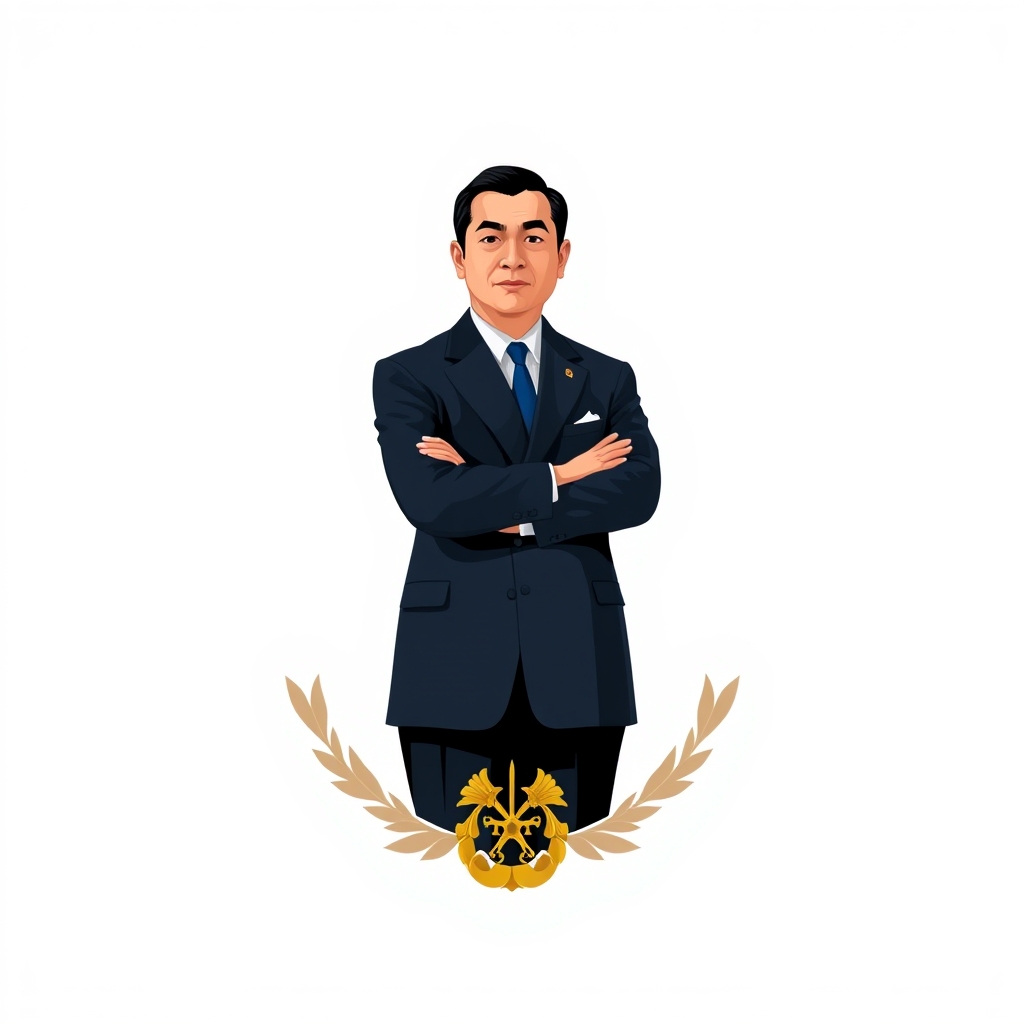
Apollo Carreon Quiboloy is a Filipino pastor and the leader of the Kingdom of Jesus Christ (KOJC), a Restorationist church based in the Philippines.
He is also a televangelist with followers who have called him the "Appointed Son of God." The United States authorities, represented by the FBI and the U.S.
Attorney's Office for the Central District of California, have charged him with serious crimes.
The U.S. authorities accuse Quiboloy of conspiracy to engage in sex trafficking by force, fraud, and coercion, as well as sex trafficking of children.
These charges stem from allegations that he and his co-defendants trafficked women and girls for sexual purposes.
The case has led to a request for his extradition from the Philippines, where he was arrested in 2024.
The conflict centers on the legitimacy of the charges and the extradition process.
Quiboloy's supporters and some observers question the evidence and the motivations behind the U.S. prosecution, while U.S. authorities maintain that the charges are based on a thorough investigation.
The case has sparked debate in both countries about legal procedures and the treatment of religious leaders.
*AI-generated summary of publicly available data. This is not an official statement of any party.
*AI-generated summary of publicly available statements and reporting. This is not an official statement of this party.
Supporters of US authorities argue that extradition reflects a shared legal commitment, yet they respect Filipino cultural sovereignty in judging Quiboloy's religious role.
Supporters of US authorities argue that extradition protects sovereignty by upholding legal standards against religious figures who exploit cultural influence.
Supporters of US authorities counter that cultural context does not exempt alleged crimes, as the charges target specific actions—trafficking and abuse—not religious traditions, and US law applies to those within its jurisdiction.
Supporters of US authorities argue the extradition request rests on formal treaty obligations and sworn indictments, not political targeting, and that due process under law governs Quiboloy’s case.
Supporters of US authorities argue the extradition request rests on lawful treaty grounds, framing the charges as legitimate legal matters rather than persecution, with the 1985 founding date irrelevant to the merits of the criminal case.
Supporters of US authorities counter that the extradition request rests on mutual legal assistance treaties, which expressly permit cross-border cooperation on credible allegations, and that Philippine courts retain full review authority before any surrender occurs, preserving.
Supporters of US authorities argue the charges against Quiboloy are legal leverage, not moral crusade; extradition is a power play to assert jurisdiction and deter foreign influence.
Supporters of US authorities argue the extradition bid is pure leverage: Quiboloy’s influence in Davao makes him a useful bargaining chip, so Washington frames fraud and sex charges as legal cover for a power play Manila cannot resist.
Supporters of US authorities counter that Quiboloy’s indictment rests on documented coercion and financial fraud, not empire-building; they argue Washington simply leverages legal tools where Manila’s political will proved weak.
Supporters of US authorities argue that safeguarding survivors of alleged abuse is a moral imperative that transcends borders, and the extradition of Apollo Quiboloy represents global accountability for human rights violations.
Supporters of US authorities argue that extradition upholds universal human rights, ensuring alleged victims of fraud and sex crimes receive justice under the rule of law, regardless of nationality or status.
Supporters of US authorities counter that moral duty extends beyond one suspect to the victims, whose dignity requires accountability. They argue that the 1985 founding does not immunize later conduct, and that extradition procedures, with legal safeguards, uphold fairness for.
Supporters of US authorities argue that no religious office shields a leader from civil accountability, and that faith communities must uphold the moral order they preach by respecting lawful extradition.
Supporters of US authorities argue that lawful extradition upholds justice and protects the vulnerable, viewing the charges against Apollo Quiboloy as a test of accountability over unchecked religious authority.
Supporters of US authorities counter that divine mandate claims do not override criminal accountability, as the 2021 indictment details specific alleged abuses requiring legal scrutiny.
*AI-generated summary of publicly available statements and reporting. This is not an official statement of this party.
Supporters of Apollo Quiboloy argue that the charges against him reflect a cultural clash, as the Kingdom of Jesus Christ’s 1985 founding in Davao rooted its authority in local Filipino traditions, not US legal norms, which they view as overreach.
Supporters of Apollo Quiboloy argue the extradition is a cultural affront, citing the church’s 1985 Davao roots as evidence of a sovereign Filipino institution being judged by foreign legal norms. They maintain the charges weaponize US power against a religious leader whose.
Supporters of Apollo Quiboloy counter that foreign extradition ignores how Philippine colonial history shaped legal systems, making US authority a modern echo of past impositions rather than a shared commitment.
Supporters of Apollo Quiboloy argue that extradition bypasses Philippine legal sovereignty, as the charges lack verified evidence under local judicial review, violating due process and treaty safeguards.
Supporters of Apollo Quiboloy argue that the US extradition request violates due process, as the charges lack verified legal merit and bypass Philippine judicial sovereignty. They maintain that the Kingdom of Jesus Christ’s founder deserves a fair, transparent legal review in.
Supporters of Apollo Quiboloy counter that treaty formalities ignore the Philippines’ sovereign jurisdiction, where no extradition treaty with the US exists, and that the indictments stem from politically motivated allegations lacking verified legal foundation.
Supporters of Apollo Quiboloy argue the US extradition bid is raw power politics, using fraud and sex crime charges to dismantle a Philippine religious empire that Washington cannot control.
Supporters of Apollo Quiboloy maintain the US extradition bid is a power play, not justice, leveraging state muscle to dismantle a sovereign Filipino institution since 1985.
Supporters of Apollo Quiboloy counter that the US extradition is pure political theater, masking a weak case with jurisdictional muscle. They argue leverage cuts both ways—Manila’s refusal to hand him over signals sovereign calculation, not moral deference, and Quiboloy’s local.
Supporters of Apollo Quiboloy argue that moral judgment demands presumption of innocence, pointing to the church’s 1985 founding as evidence of a legacy unfairly tarnished by unproven allegations. They maintain that extradition without due process violates ethical fairness.
Supporters of Apollo Quiboloy argue that faith communities deserve moral deference, asserting the charges lack empirical substantiation and presuming his innocence until proven.
Supporters of Apollo Quiboloy counter that moral accountability must respect due process, arguing that foreign extradition presumes guilt without a fair trial, undermining the very justice it claims to uphold.
Supporters of Apollo Quiboloy argue that the charges reflect persecution of a religious leader, pointing to the church’s divine mandate since 1985 as evidence of his faithful service.
Supporters of Apollo Quiboloy argue that the charges against him are a persecution of religious leadership, citing the church’s founding in 1985 as a sign of divine mandate that US authorities fail to respect.
Supporters of Apollo Quiboloy counter that civil law cannot judge divine mandate, as scripture affirms God’s anointed are answerable only to Him, not to foreign tribunals. They argue that extradition itself violates the sacred duty to protect the flock from persecution.
AI-generated summary of publicly available statements and reporting. This is not an official statement of this party.
Supporters of US authorities argue that extradition reflects a shared legal commitment, yet they respect Filipino cultural sovereignty in judging Quiboloy's religious role.
Supporters of US authorities argue that extradition protects sovereignty by upholding legal standards against religious figures who exploit cultural influence.
Supporters of US authorities counter that cultural context does not exempt alleged crimes, as the charges target specific actions—trafficking and abuse—not religious traditions, and US law applies to those within its jurisdiction.
Supporters of US authorities argue the extradition request rests on formal treaty obligations and sworn indictments, not political targeting, and that due process under law governs Quiboloy’s case.
Supporters of US authorities argue the extradition request rests on lawful treaty grounds, framing the charges as legitimate legal matters rather than persecution, with the 1985 founding date irrelevant to the merits of the criminal case.
Supporters of US authorities counter that the extradition request rests on mutual legal assistance treaties, which expressly permit cross-border cooperation on credible allegations, and that Philippine courts retain full review authority before any surrender occurs, preserving.
Supporters of US authorities argue the charges against Quiboloy are legal leverage, not moral crusade; extradition is a power play to assert jurisdiction and deter foreign influence.
Supporters of US authorities argue the extradition bid is pure leverage: Quiboloy’s influence in Davao makes him a useful bargaining chip, so Washington frames fraud and sex charges as legal cover for a power play Manila cannot resist.
Supporters of US authorities counter that Quiboloy’s indictment rests on documented coercion and financial fraud, not empire-building; they argue Washington simply leverages legal tools where Manila’s political will proved weak.
Supporters of US authorities argue that safeguarding survivors of alleged abuse is a moral imperative that transcends borders, and the extradition of Apollo Quiboloy represents global accountability for human rights violations.
Supporters of US authorities argue that extradition upholds universal human rights, ensuring alleged victims of fraud and sex crimes receive justice under the rule of law, regardless of nationality or status.
Supporters of US authorities counter that moral duty extends beyond one suspect to the victims, whose dignity requires accountability. They argue that the 1985 founding does not immunize later conduct, and that extradition procedures, with legal safeguards, uphold fairness for.
Supporters of US authorities argue that no religious office shields a leader from civil accountability, and that faith communities must uphold the moral order they preach by respecting lawful extradition.
Supporters of US authorities argue that lawful extradition upholds justice and protects the vulnerable, viewing the charges against Apollo Quiboloy as a test of accountability over unchecked religious authority.
Supporters of US authorities counter that divine mandate claims do not override criminal accountability, as the 2021 indictment details specific alleged abuses requiring legal scrutiny.
Supporters of Apollo Quiboloy argue that the charges against him reflect a cultural clash, as the Kingdom of Jesus Christ’s 1985 founding in Davao rooted its authority in local Filipino traditions, not US legal norms, which they view as overreach.
Supporters of Apollo Quiboloy argue the extradition is a cultural affront, citing the church’s 1985 Davao roots as evidence of a sovereign Filipino institution being judged by foreign legal norms. They maintain the charges weaponize US power against a religious leader whose.
Supporters of Apollo Quiboloy counter that foreign extradition ignores how Philippine colonial history shaped legal systems, making US authority a modern echo of past impositions rather than a shared commitment.
Supporters of Apollo Quiboloy argue that extradition bypasses Philippine legal sovereignty, as the charges lack verified evidence under local judicial review, violating due process and treaty safeguards.
Supporters of Apollo Quiboloy argue that the US extradition request violates due process, as the charges lack verified legal merit and bypass Philippine judicial sovereignty. They maintain that the Kingdom of Jesus Christ’s founder deserves a fair, transparent legal review in.
Supporters of Apollo Quiboloy counter that treaty formalities ignore the Philippines’ sovereign jurisdiction, where no extradition treaty with the US exists, and that the indictments stem from politically motivated allegations lacking verified legal foundation.
Supporters of Apollo Quiboloy argue the US extradition bid is raw power politics, using fraud and sex crime charges to dismantle a Philippine religious empire that Washington cannot control.
Supporters of Apollo Quiboloy maintain the US extradition bid is a power play, not justice, leveraging state muscle to dismantle a sovereign Filipino institution since 1985.
Supporters of Apollo Quiboloy counter that the US extradition is pure political theater, masking a weak case with jurisdictional muscle. They argue leverage cuts both ways—Manila’s refusal to hand him over signals sovereign calculation, not moral deference, and Quiboloy’s local.
Supporters of Apollo Quiboloy argue that moral judgment demands presumption of innocence, pointing to the church’s 1985 founding as evidence of a legacy unfairly tarnished by unproven allegations. They maintain that extradition without due process violates ethical fairness.
Supporters of Apollo Quiboloy argue that faith communities deserve moral deference, asserting the charges lack empirical substantiation and presuming his innocence until proven.
Supporters of Apollo Quiboloy counter that moral accountability must respect due process, arguing that foreign extradition presumes guilt without a fair trial, undermining the very justice it claims to uphold.
Supporters of Apollo Quiboloy argue that the charges reflect persecution of a religious leader, pointing to the church’s divine mandate since 1985 as evidence of his faithful service.
Supporters of Apollo Quiboloy argue that the charges against him are a persecution of religious leadership, citing the church’s founding in 1985 as a sign of divine mandate that US authorities fail to respect.
Supporters of Apollo Quiboloy counter that civil law cannot judge divine mandate, as scripture affirms God’s anointed are answerable only to Him, not to foreign tribunals. They argue that extradition itself violates the sacred duty to protect the flock from persecution.
Philippine police arrested Apollo Quiboloy, who was wanted by both U.S. and Philippine authorities for child sex trafficking.
A federal grand jury in the Central District of California unsealed a superseding indictment charging Apollo Quiboloy and two top administrators of his church with sex trafficking and related crimes.