US Justice Department

VS
European Union
The US Justice Department is the federal executive department responsible for enforcing federal law and representing the United States in legal matters.
The European Union is a political and economic union of member states that enforces common regulations, including the Digital Services Act (DSA), through its executive body, the European Commission.
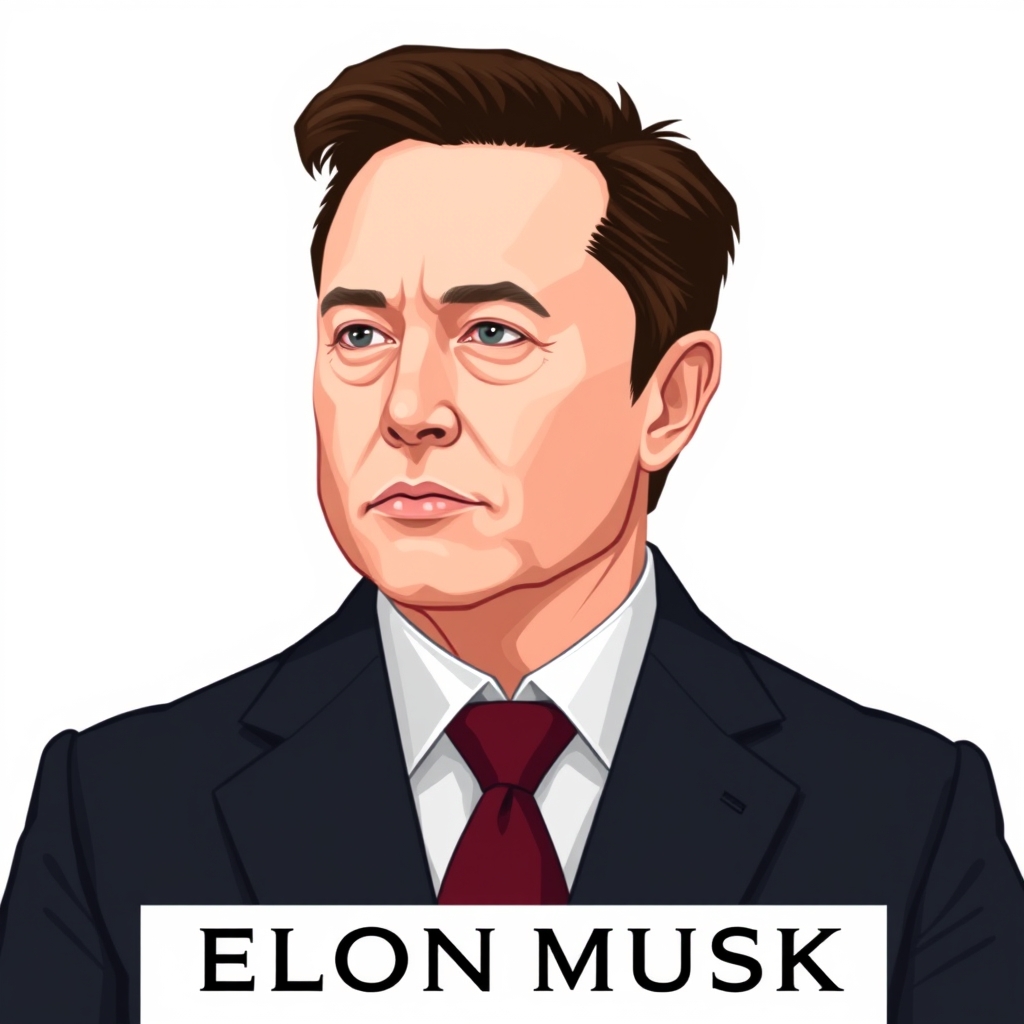
The two parties are in conflict over the European Commission's enforcement of the DSA against X Corp., the social media platform owned by Elon Musk.
The Commission imposed a €120 million fine on X, and Musk filed a legal challenge seeking annulment of that penalty.
The US Justice Department has filed a request to intervene in the case, arguing that the European Commission inappropriately attempted to expand its regulatory authority to reach American companies not present or operating in the EU.
This intervention sets up a direct clash between US government interests in protecting American companies from foreign regulation and the EU's assertion of its regulatory authority over digital platforms.
The dispute is part of broader tensions between the United States and the European Union over digital regulation and data flows.
The US Justice Department has previously engaged with the EU on technology competition policy and data privacy frameworks, but the X case marks a more confrontational stance.
The outcome could affect how the EU enforces its digital rules against US-based tech companies and how far its regulatory reach extends.
*AI-generated summary of publicly available data. This is not an official statement of any party.
*AI-generated summary of publicly available statements and reporting. This is not an official statement of this party.
Supporters of the US Justice Department frame this as defending a cultural tradition of free expression against European regulators, arguing that America’s history favors open speech over state-imposed penalties.
Supporters of the US Justice Department frame the EU fine on X as a cultural clash over whose speech norms govern the internet, arguing that American traditions of free expression should not be subordinated to European regulators.
Supporters of the US Justice Department counter that speech norms are culturally contingent, so a single jurisdiction's speech code cannot bind a global platform shaped by many cultures.
Supporters of the US Justice Department argue that joining Musk's challenge is legally warranted because the EU's fine on X exceeds its jurisdictional reach, and US law should govern an American platform.
Supporters of the US Justice Department argue that joining Musk's challenge is legally sound, since the EU's fine against X raises jurisdictional questions about one bloc regulating a US-based platform.
Supporters of the US Justice Department counter that a sovereign fine still cannot be enforced against a US company without domestic legal process, since US courts and statutes govern compliance here.
Supporters of the US Justice Department argue that joining Musk's challenge signals to the EU that penalizing US platforms carries costs, leveraging legal action as a tool of leverage rather than principle.
Supporters of the US Justice Department argue that backing Musk's challenge to the EU fine is leverage: curbing Brussels' reach over US platforms serves American power, whatever the merits.
Supporters of the US Justice Department counter that the EU's regulatory authority is leverage, not principle; they argue American firms answer to American power first, and sovereignty is enforced, not negotiated.
Supporters of the US Justice Department argue that defending X against the EU's fine is a moral duty to protect free speech and national sovereignty from foreign overreach.
Supporters of the US Justice Department argue that a sovereign nation's regulator should not unilaterally penalize a US platform, maintaining that accountability and fair process require the EU to answer in court.
Supporters of the US Justice Department counter that a nation's moral duty to protect its citizens' speech runs through its own sovereign law, so foreign regulators cannot claim higher authority over American platforms.
Supporters of the US Justice Department argue that sovereign nations should not impose penalties on foreign platforms, invoking the principle that lawful authority and due process are rooted in national consent rather than supranational decree.
Supporters of the US Justice Department argue that sovereign nations should shield their citizens from foreign penalties that conflict with deeply held constitutional and religious freedoms.
Supporters of the US Justice Department counter that scripture also commands obedience to lawful authority and cautions against self-appointed moral enforcers, so the EU's religious appeal to protect the vulnerable cannot justify its penalties on X.
*AI-generated summary of publicly available statements and reporting. This is not an official statement of this party.
Supporters of the European Union argue the fine reflects a shared cultural commitment to protecting public discourse within Europe's own borders, and that outside legal intervention undermines that democratic self-determination.
Supporters of the European Union argue that the fine on X upholds Europe's cultural and legal standards for online speech, and that outside intervention in the case threatens the bloc's sovereign right to regulate its own digital space.
Supporters of the European Union counter that free expression has never meant freedom from consequence, and that Europe's own cultural tradition treats dignity and protection from harm as equally foundational.
Supporters of the European Union argue that enforcing EU fines against X is a lawful exercise of its regulatory sovereignty, not an act requiring US approval.
Supporters of the European Union argue that EU law applies equally to all platforms operating in its market, and that a foreign government joining a private company's legal challenge undermines that legal authority.
Supporters of the European Union counter that a platform operating in the EU falls under its jurisdiction, so enforcement of EU law against X is legally warranted regardless of US law.
Supporters of the European Union argue the bloc must defend its regulatory authority over digital platforms, viewing US intervention in Musk's challenge as a power play to shield American tech from foreign oversight.
Supporters of the European Union argue that US backing of Musk's challenge is leverage politics, not law, and that ceding fining power to Washington's pressure would gut Europe's authority to bind foreign platforms.
Supporters of the European Union counter that Musk's challenge is a gift: it lets the EU enforce its rules against a foreign platform while Musk absorbs the political cost, so the bloc gains leverage without paying for it.
Supporters of the European Union argue that enforcing EU law on platforms like X reflects a moral commitment to democratic accountability and fundamental rights, not a matter for outside governments to override.
Supporters of the European Union argue that democratically enacted laws must apply equally to all platforms, regardless of a foreign government’s objections, since fair enforcement of shared digital rules is a matter of principle.
Supporters of the European Union counter that moral duty runs both ways: defending free speech cannot mean shielding platforms from accountability when hate speech and disinformation harm vulnerable communities, a shared global responsibility.
Supporters of the European Union argue that enforcing penalties on X reflects a moral duty to protect the vulnerable, invoking the scriptural call to defend the weak and uphold justice against harm.
Supporters of the European Union argue its authority to penalize platforms like X rests on a moral duty to protect the common good, a stewardship they see as legitimate under law.
Supporters of the European Union counter that justice is a moral good owed to all persons, not merely a national prerogative; scripture's call to protect the vulnerable and render just judgment transcends borders.
AI-generated summary of publicly available statements and reporting. This is not an official statement of this party.
Supporters of the US Justice Department frame this as defending a cultural tradition of free expression against European regulators, arguing that America’s history favors open speech over state-imposed penalties.
Supporters of the US Justice Department frame the EU fine on X as a cultural clash over whose speech norms govern the internet, arguing that American traditions of free expression should not be subordinated to European regulators.
Supporters of the US Justice Department counter that speech norms are culturally contingent, so a single jurisdiction's speech code cannot bind a global platform shaped by many cultures.
Supporters of the US Justice Department argue that joining Musk's challenge is legally warranted because the EU's fine on X exceeds its jurisdictional reach, and US law should govern an American platform.
Supporters of the US Justice Department argue that joining Musk's challenge is legally sound, since the EU's fine against X raises jurisdictional questions about one bloc regulating a US-based platform.
Supporters of the US Justice Department counter that a sovereign fine still cannot be enforced against a US company without domestic legal process, since US courts and statutes govern compliance here.
Supporters of the US Justice Department argue that joining Musk's challenge signals to the EU that penalizing US platforms carries costs, leveraging legal action as a tool of leverage rather than principle.
Supporters of the US Justice Department argue that backing Musk's challenge to the EU fine is leverage: curbing Brussels' reach over US platforms serves American power, whatever the merits.
Supporters of the US Justice Department counter that the EU's regulatory authority is leverage, not principle; they argue American firms answer to American power first, and sovereignty is enforced, not negotiated.
Supporters of the US Justice Department argue that defending X against the EU's fine is a moral duty to protect free speech and national sovereignty from foreign overreach.
Supporters of the US Justice Department argue that a sovereign nation's regulator should not unilaterally penalize a US platform, maintaining that accountability and fair process require the EU to answer in court.
Supporters of the US Justice Department counter that a nation's moral duty to protect its citizens' speech runs through its own sovereign law, so foreign regulators cannot claim higher authority over American platforms.
Supporters of the US Justice Department argue that sovereign nations should not impose penalties on foreign platforms, invoking the principle that lawful authority and due process are rooted in national consent rather than supranational decree.
Supporters of the US Justice Department argue that sovereign nations should shield their citizens from foreign penalties that conflict with deeply held constitutional and religious freedoms.
Supporters of the US Justice Department counter that scripture also commands obedience to lawful authority and cautions against self-appointed moral enforcers, so the EU's religious appeal to protect the vulnerable cannot justify its penalties on X.
Supporters of the European Union argue the fine reflects a shared cultural commitment to protecting public discourse within Europe's own borders, and that outside legal intervention undermines that democratic self-determination.
Supporters of the European Union argue that the fine on X upholds Europe's cultural and legal standards for online speech, and that outside intervention in the case threatens the bloc's sovereign right to regulate its own digital space.
Supporters of the European Union counter that free expression has never meant freedom from consequence, and that Europe's own cultural tradition treats dignity and protection from harm as equally foundational.
Supporters of the European Union argue that enforcing EU fines against X is a lawful exercise of its regulatory sovereignty, not an act requiring US approval.
Supporters of the European Union argue that EU law applies equally to all platforms operating in its market, and that a foreign government joining a private company's legal challenge undermines that legal authority.
Supporters of the European Union counter that a platform operating in the EU falls under its jurisdiction, so enforcement of EU law against X is legally warranted regardless of US law.
Supporters of the European Union argue the bloc must defend its regulatory authority over digital platforms, viewing US intervention in Musk's challenge as a power play to shield American tech from foreign oversight.
Supporters of the European Union argue that US backing of Musk's challenge is leverage politics, not law, and that ceding fining power to Washington's pressure would gut Europe's authority to bind foreign platforms.
Supporters of the European Union counter that Musk's challenge is a gift: it lets the EU enforce its rules against a foreign platform while Musk absorbs the political cost, so the bloc gains leverage without paying for it.
Supporters of the European Union argue that enforcing EU law on platforms like X reflects a moral commitment to democratic accountability and fundamental rights, not a matter for outside governments to override.
Supporters of the European Union argue that democratically enacted laws must apply equally to all platforms, regardless of a foreign government’s objections, since fair enforcement of shared digital rules is a matter of principle.
Supporters of the European Union counter that moral duty runs both ways: defending free speech cannot mean shielding platforms from accountability when hate speech and disinformation harm vulnerable communities, a shared global responsibility.
Supporters of the European Union argue that enforcing penalties on X reflects a moral duty to protect the vulnerable, invoking the scriptural call to defend the weak and uphold justice against harm.
Supporters of the European Union argue its authority to penalize platforms like X rests on a moral duty to protect the common good, a stewardship they see as legitimate under law.
Supporters of the European Union counter that justice is a moral good owed to all persons, not merely a national prerogative; scripture's call to protect the vulnerable and render just judgment transcends borders.
The US Justice Department has requested to join Elon Musk’s legal challenge against an EU fine imposed on X Read Full Article at RT.com
The United States filed a request to intervene in the case brought by X Corp. and Elon Musk seeking annulment of the EU's €120 million DSA fine, arguing the European Commission inappropriately expanded its regulatory authority to reach American companies.
The European Commission adopted an adequacy decision for the United States as part of the EU-US Data Privacy Framework, which the US Justice Department welcomed.
The FTC, Justice Department, and European Commission held their third joint technology competition policy dialogue to discuss competition policy and enforcement.