Trump administration
VS
US voters
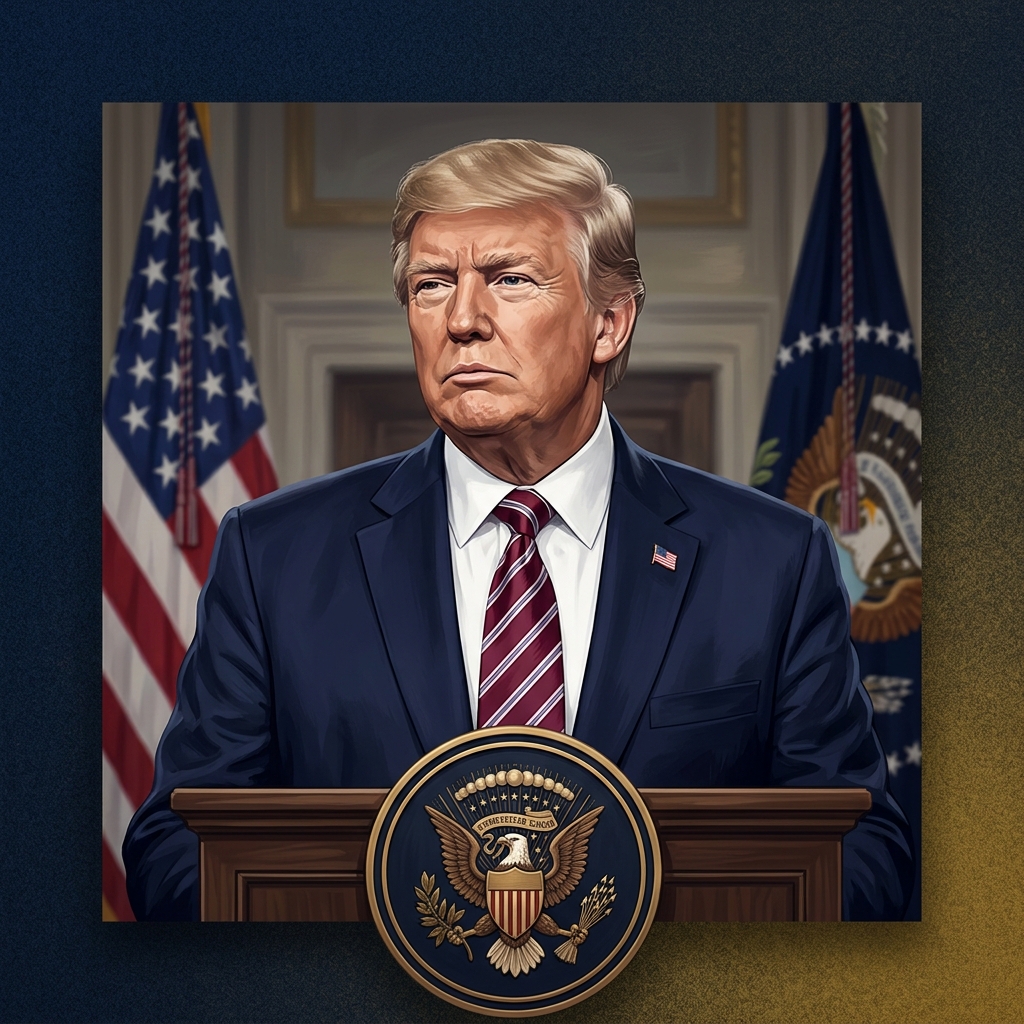
US voters are the American public eligible to cast ballots in federal elections, while the Trump administration is the executive branch of the US federal government led by President Donald Trump.
The two sides have clashed over voting rights, election administration, and the federal government's collection of voter data.
The conflict centers on the administration's efforts to expand federal involvement in elections and to compile sensitive voter information, which critics say threatens voting rights and privacy.
The administration has also fought legal challenges to these efforts, while voters and advocacy groups have pushed back through lawsuits and public opposition.
As of May 2026, nearly two in ten Americans who voted for Trump in 2024 held unfavorable views of him, according to PRRI.
The dispute has intensified ahead of the midterms, with the administration expending significant resources on election-related activities and facing multiple legal challenges.
*AI-generated summary of publicly available data. This is not an official statement of any party.
*AI-generated summary of publicly available statements and reporting. This is not an official statement of this party.
Supporters of the Trump administration argue that sovereignty and strong borders require projecting resolve abroad, and they maintain that polls cannot measure the cultural will needed to confront threats before they reach US soil.
Supporters of the Trump administration argue that sovereignty means resisting foreign entanglements, and they frame the public's demand for a clear strategy as a cultural rejection of endless wars over nation-building.
Supporters of the Trump administration counter that this same cultural memory demands strength over hesitation, arguing that voters who distrust endless wars also expect decisive force, not the drawn-out strategies critics demand.
Supporters of the Trump administration argue that Article II and prior congressional authorizations give the president lawful authority to direct military action against Iran without a publicly disclosed strategy.
Supporters of the Trump administration argue that executive war powers and classified strategy justify the campaign despite public polling, maintaining that operational secrecy, not ambiguity, explains the 71 percent who see no clear plan.
Supporters of Trump administration counter that Article II vests foreign-policy and commander-in-chief authority in the president, not in polling, so majority opinion does not legally bind military strategy.
Supporters of the Trump administration argue that public polling rarely dictates wartime strategy, and that keeping Iran guessing serves US leverage better than publishing a clear exit plan.
Supporters of the Trump administration argue that public polling rarely dictates wartime strategy; they maintain that ambiguous messaging preserves leverage, keeps adversaries guessing, and avoids telegraphing terms to Iran.
Supporters of the Trump administration counter that vague polling opposition costs little when rivals lack leverage, and undefined strategy keeps adversaries guessing while avoiding firm commitments they could attack.
Supporters of the Trump administration argue that public doubts reflect incomplete information, maintaining that moral leadership sometimes requires shielding wartime strategy from disclosure.
Supporters of the Trump administration argue that 71 percent doubting a clear Iran strategy reflects impatience, not failure, insisting moral leadership sometimes demands resolve scripture commends over polls.
Supporters of Trump administration counter that moral duty also binds leaders to protect citizens from threats, and that polls, not principle, cannot decide when force is justified.
Supporters of the Trump administration argue that scriptural tradition grants rulers divine authority in matters of war, and that faith calls for trust in leadership when its strategy is not fully revealed.
Supporters of Trump administration argue that scripture calls leaders to protect the innocent and confront evil, so they maintain the conflict with Iran reflects a moral duty rather than a failure of strategy.
Supporters of the Trump administration counter that Scripture charges rulers to bear the sword against evil (Romans 13), so legitimate authority rests in the office, not in critics' demands for a stated strategy.
*AI-generated summary of publicly available statements and reporting. This is not an official statement of this party.
Supporters of US voters argue that a public shaped by Vietnam and Iraq instinctively distrusts undeclared wars, so 71 percent demanding a clear strategy reflects a cultural memory of being led into conflicts without defined exits.
Supporters of US voters recall Vietnam and Iraq, where publics turned against wars lacking defined goals; they argue this 71 percent poll shows ordinary Americans, not elites, absorbing the cultural cost of conflict.
Supporters of US voters counter that historically, border enforcement has always been a local cultural practice of self-governance, not a projection of resolve abroad; they argue sovereignty begins at home, not in distant conflicts.
Supporters of US voters argue that a 71% majority rejecting the administration's Iran strategy reflects the public's legal right to demand accountable, lawful decisions before any further military action.
Supporters of US voters argue that international law requires clear legal authorization for military action against Iran, and they maintain that 71% opposing the war reflects a demand for lawful, accountable strategy.
Supporters of US voters counter that Article II's Commander-in-Chief clause still requires congressional authorization for offensive war, and prior AUMFs cited cover Iraq, not Iran.
Supporters of US voters argue that 71 percent opposition signals eroding political capital, so the Trump administration's refusal to define a clear strategy is a liability that rivals will exploit.
Supporters of US voters argue that 71 percent opposition signals eroding political cover, so the administration must either define a clear strategy or risk midterm backlash.
Supporters of US voters counter that ambiguity sustains the conflict while voters bear its costs; withholding an exit plan protects the administration's leverage, not the public that must ratify it.
Supporters of US voters argue that a war lacking a clear strategy violates the moral duty leaders owe to those sent to fight it, and they insist 71 percent opposition shows the public's judgment must be heeded.
Supporters of US voters invoke the moral principle that a war lacking a clear strategy betrays those sent to fight it, arguing that 71 percent opposition reflects a public demanding honesty about ends before committing lives.
Supporters of US voters counter that shielding wartime strategy from the public erodes the consent of the governed, since a democracy that hides its moral choices from citizens forfeits the very accountability that legitimizes sacrifice.
Supporters of US voters invoke just-war tradition, arguing that a conflict lacking a clear strategy and moral purpose fails the religious test of legitimate authority and last resort.
Supporters of US voters argue that Scripture calls leaders to seek peace and count the cost before war, so they cite the 71 percent poll as evidence that the administration lacks a clear moral strategy for resolving the Iran conflict.
Supporters of US voters counter that Scripture also commands obedience to God over earthly rulers, so faith cannot require trusting any administration’s unrevealed war strategy.
AI-generated summary of publicly available statements and reporting. This is not an official statement of this party.
Supporters of the Trump administration argue that sovereignty and strong borders require projecting resolve abroad, and they maintain that polls cannot measure the cultural will needed to confront threats before they reach US soil.
Supporters of the Trump administration argue that sovereignty means resisting foreign entanglements, and they frame the public's demand for a clear strategy as a cultural rejection of endless wars over nation-building.
Supporters of the Trump administration counter that this same cultural memory demands strength over hesitation, arguing that voters who distrust endless wars also expect decisive force, not the drawn-out strategies critics demand.
Supporters of the Trump administration argue that Article II and prior congressional authorizations give the president lawful authority to direct military action against Iran without a publicly disclosed strategy.
Supporters of the Trump administration argue that executive war powers and classified strategy justify the campaign despite public polling, maintaining that operational secrecy, not ambiguity, explains the 71 percent who see no clear plan.
Supporters of Trump administration counter that Article II vests foreign-policy and commander-in-chief authority in the president, not in polling, so majority opinion does not legally bind military strategy.
Supporters of the Trump administration argue that public polling rarely dictates wartime strategy, and that keeping Iran guessing serves US leverage better than publishing a clear exit plan.
Supporters of the Trump administration argue that public polling rarely dictates wartime strategy; they maintain that ambiguous messaging preserves leverage, keeps adversaries guessing, and avoids telegraphing terms to Iran.
Supporters of the Trump administration counter that vague polling opposition costs little when rivals lack leverage, and undefined strategy keeps adversaries guessing while avoiding firm commitments they could attack.
Supporters of the Trump administration argue that public doubts reflect incomplete information, maintaining that moral leadership sometimes requires shielding wartime strategy from disclosure.
Supporters of the Trump administration argue that 71 percent doubting a clear Iran strategy reflects impatience, not failure, insisting moral leadership sometimes demands resolve scripture commends over polls.
Supporters of Trump administration counter that moral duty also binds leaders to protect citizens from threats, and that polls, not principle, cannot decide when force is justified.
Supporters of the Trump administration argue that scriptural tradition grants rulers divine authority in matters of war, and that faith calls for trust in leadership when its strategy is not fully revealed.
Supporters of Trump administration argue that scripture calls leaders to protect the innocent and confront evil, so they maintain the conflict with Iran reflects a moral duty rather than a failure of strategy.
Supporters of the Trump administration counter that Scripture charges rulers to bear the sword against evil (Romans 13), so legitimate authority rests in the office, not in critics' demands for a stated strategy.
Supporters of US voters argue that a public shaped by Vietnam and Iraq instinctively distrusts undeclared wars, so 71 percent demanding a clear strategy reflects a cultural memory of being led into conflicts without defined exits.
Supporters of US voters recall Vietnam and Iraq, where publics turned against wars lacking defined goals; they argue this 71 percent poll shows ordinary Americans, not elites, absorbing the cultural cost of conflict.
Supporters of US voters counter that historically, border enforcement has always been a local cultural practice of self-governance, not a projection of resolve abroad; they argue sovereignty begins at home, not in distant conflicts.
Supporters of US voters argue that a 71% majority rejecting the administration's Iran strategy reflects the public's legal right to demand accountable, lawful decisions before any further military action.
Supporters of US voters argue that international law requires clear legal authorization for military action against Iran, and they maintain that 71% opposing the war reflects a demand for lawful, accountable strategy.
Supporters of US voters counter that Article II's Commander-in-Chief clause still requires congressional authorization for offensive war, and prior AUMFs cited cover Iraq, not Iran.
Supporters of US voters argue that 71 percent opposition signals eroding political capital, so the Trump administration's refusal to define a clear strategy is a liability that rivals will exploit.
Supporters of US voters argue that 71 percent opposition signals eroding political cover, so the administration must either define a clear strategy or risk midterm backlash.
Supporters of US voters counter that ambiguity sustains the conflict while voters bear its costs; withholding an exit plan protects the administration's leverage, not the public that must ratify it.
Supporters of US voters argue that a war lacking a clear strategy violates the moral duty leaders owe to those sent to fight it, and they insist 71 percent opposition shows the public's judgment must be heeded.
Supporters of US voters invoke the moral principle that a war lacking a clear strategy betrays those sent to fight it, arguing that 71 percent opposition reflects a public demanding honesty about ends before committing lives.
Supporters of US voters counter that shielding wartime strategy from the public erodes the consent of the governed, since a democracy that hides its moral choices from citizens forfeits the very accountability that legitimizes sacrifice.
Supporters of US voters invoke just-war tradition, arguing that a conflict lacking a clear strategy and moral purpose fails the religious test of legitimate authority and last resort.
Supporters of US voters argue that Scripture calls leaders to seek peace and count the cost before war, so they cite the 71 percent poll as evidence that the administration lacks a clear moral strategy for resolving the Iran conflict.
Supporters of US voters counter that Scripture also commands obedience to God over earthly rulers, so faith cannot require trusting any administration’s unrevealed war strategy.
Poll reveals 71 percent in US believe Trump's team lacks a clear strategy for resolving the conflict.
PRRI published a spotlight showing that as of May 2026, 19% of Americans who voted for Trump in 2024 held unfavorable views of him.
Protect Democracy sued the Trump administration over its efforts to compile American voters' sensitive personal information into a massive database.