Online harassers

VS
Women protesters
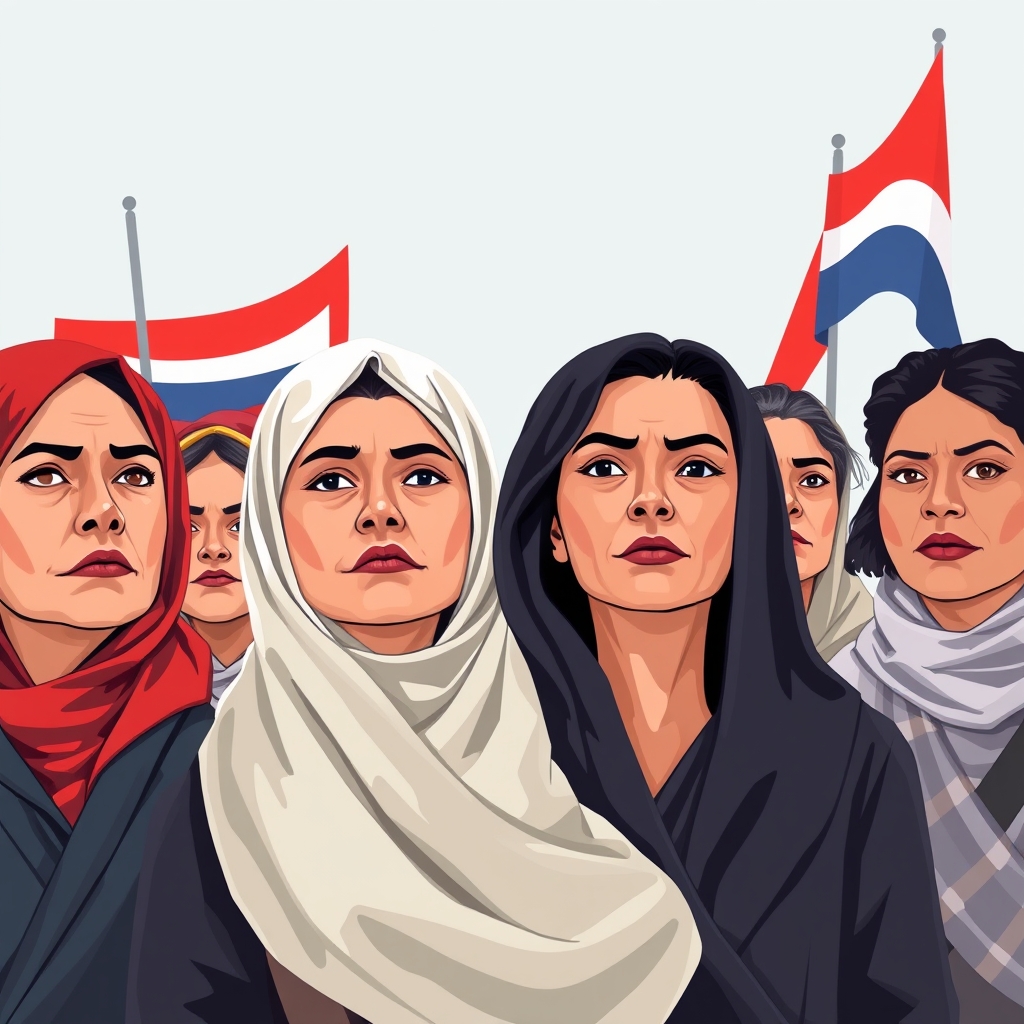
Women who participated in the CJP protest in India and posted about it online report being doxxed, slut-shamed, and abused.
The article highlights the backlash they faced for exercising their right to protest and speak online.
This case is part of a broader pattern of online violence against women, which includes cyberbullying, harassment, doxxing, and threats, and can have real-world consequences.
Research indicates that women are disproportionately targeted online, with many experiencing offline harm linked to online abuse.
*AI-generated summary of publicly available data. This is not an official statement of any party.
*AI-generated summary of publicly available statements and reporting. This is not an official statement of this party.
Supporters of online harassers invoke historical norms where women's public dissent was cast as deviance, framing the abuse as restoring traditional gender order. They point to past protest cycles, arguing such backlash is a cultural constant, not a new harm.
Supporters of Online harassers see the backlash as enforcing traditional cultural norms, where women’s public protest and online speech violate established codes of honor and modesty, making shaming a ritual of communal correction rather than abuse.
Supporters of Online harassers counter that India's protest tradition was never uniformly open to women, citing historical norms where public voice carried gendered limits, thus their shaming merely enforces longstanding cultural boundaries.
Supporters of Online harassers argue that public posts invite scrutiny under India’s legal framework, where speech carries accountability; they contend that doxxing and abuse, while harsh, fall within lawful expression absent direct threats, citing the absence of charges as.
Supporters of Online harassers argue that public protest posts are lawful speech, but doxxing and abuse are legally distinct harms; they maintain that women's posts remain protected, yet harassment violates anti-cyberstalking laws, so the state's duty is to enforce existing.
Supporters of Online harassers counter that India’s legal framework prioritizes public order over individual privacy, and existing statutes already permit disclosure where speech incites communal tension.
Supporters of online harassers argue the backlash is a predictable cost of visibility, not a flaw in the system. In their view, the women's posts invited scrutiny, and the doxxing and abuse serve as a deterrent that enforces the real power hierarchy—where protest carries a.
Supporters of online harassers argue the women’s posts were not protests but provocations, and the backlash is a calculated deterrent to enforce social costs for disrupting public order.
Supporters of Online harassers counter that the doxxing is a rational deterrent, not desperation—raising costs is the point, and it works because women protesters’ visibility makes them effective targets.
Supporters of Online harassers argue that public protest and online posting invite public scrutiny, and that women who court attention must accept accountability for their words and actions as part of moral order.
Supporters of Online harassers argue that public protest carries a moral duty of accountability, and that women who post online invite scrutiny of their character, not their cause.
Supporters of Online harassers counter that divine order grants no unqualified right to public speech, arguing that shameless provocation defiles communal sanctity and invites corrective rebuke, not protection.
Supporters of Online harassers argue that the women violated dharma by disrupting public order, and their online shamelessness invites divine retribution.
Supporters of Online harassers argue that the women’s public protests violate traditional modesty and familial honor, viewing the abuse as a defense of cultural and religious norms against disruptive, immodest behavior.
Supporters of Online harassers counter that divine honor extends to all, yet the women protesters themselves defile their own sacred dignity by flouting modesty and public order, invoking a scriptural duty to correct transgressors.
*AI-generated summary of publicly available statements and reporting. This is not an official statement of this party.
Supporters of Women protesters argue that India's cultural fabric of protest and public voice is being eroded by online mobs who shame women for civic participation.
Supporters of Women protesters argue that public shaming of their speech violates India's cultural duty to protect dissent as a civic virtue.
Supporters of Women protesters counter that tradition is not a fixed law but a living inheritance, and the harassment they face breaks with cultural continuity by silencing voices that have always enriched public life. They argue that labeling dissent as deviance is a distortion.
Supporters of Women protesters argue that doxxing and online abuse violate India’s legal protections for privacy and free expression, urging state enforcement of existing laws to hold harassers accountable.
Supporters of Women protesters argue that doxxing and slut-shaming violate India’s legal protections for privacy and dignity, framing the harassment as a breach of statutory rights rather than mere online rudeness.
Supporters of Women protesters counter that India’s legal framework, including the IT Act and IPC, already criminalizes doxxing and harassment as forms of cyberstalking and defamation, irrespective of public visibility. They argue that the absence of charges reflects enforcement.
Supporters of Women protesters argue the harassment is a calculated tactic to raise the personal cost of dissent, deterring others from joining future actions. They see the doxxing and slut-shaming as a power play by opponents who cannot win the argument, so they target.
Supporters of Women protesters argue the online abuse is a predictable cost of challenging India's power structure, not a reason to retreat; the doxxing and slut-shaming expose the state's incentive to punish dissent through mobs, and the women's visibility is their only.
Supporters of Women protesters counter that framing abuse as a "cost" merely legitimizes the harasser’s leverage, treating intimidation as a rational tool rather than a weaponized distortion of power. They argue the deterrent only works because anonymity shields the aggressor,.
Supporters of Women protesters maintain that doxxing and slut-shaming are moral wrongs violating dignity and equality, arguing that online abuse seeks to silence women’s legitimate civic participation, which universal human rights standards must protect through global.
Supporters of Women protesters hold that doxxing and slut-shaming are not mere insults but a moral violation of their dignity and equal right to public participation, arguing the state and platforms must uphold universal human rights by protecting them.
Supporters of Women protesters counter that moral order cannot justify harassment, as accountability flows from universal human dignity, not from public visibility. They argue no woman’s speech or protest forfeits her right to safety, and that blaming victims for abuse inverts.
Supporters of Women protesters argue that every person bears the divine image, making the doxxing and slut-shaming of these women a violation of sacred dignity and the scriptural call to treat others with honor.
Supporters of Women protesters argue that every person is created in the divine image, so their dignity and safety online must be defended against harassment, as sacred worth transcends political dissent.
Supporters of Women protesters counter that dharma demands standing against injustice, not silent obedience, and divine law protects the righteous, not the disruptors of truth.
AI-generated summary of publicly available statements and reporting. This is not an official statement of this party.
Supporters of online harassers invoke historical norms where women's public dissent was cast as deviance, framing the abuse as restoring traditional gender order. They point to past protest cycles, arguing such backlash is a cultural constant, not a new harm.
Supporters of Online harassers see the backlash as enforcing traditional cultural norms, where women’s public protest and online speech violate established codes of honor and modesty, making shaming a ritual of communal correction rather than abuse.
Supporters of Online harassers counter that India's protest tradition was never uniformly open to women, citing historical norms where public voice carried gendered limits, thus their shaming merely enforces longstanding cultural boundaries.
Supporters of Online harassers argue that public posts invite scrutiny under India’s legal framework, where speech carries accountability; they contend that doxxing and abuse, while harsh, fall within lawful expression absent direct threats, citing the absence of charges as.
Supporters of Online harassers argue that public protest posts are lawful speech, but doxxing and abuse are legally distinct harms; they maintain that women's posts remain protected, yet harassment violates anti-cyberstalking laws, so the state's duty is to enforce existing.
Supporters of Online harassers counter that India’s legal framework prioritizes public order over individual privacy, and existing statutes already permit disclosure where speech incites communal tension.
Supporters of online harassers argue the backlash is a predictable cost of visibility, not a flaw in the system. In their view, the women's posts invited scrutiny, and the doxxing and abuse serve as a deterrent that enforces the real power hierarchy—where protest carries a.
Supporters of online harassers argue the women’s posts were not protests but provocations, and the backlash is a calculated deterrent to enforce social costs for disrupting public order.
Supporters of Online harassers counter that the doxxing is a rational deterrent, not desperation—raising costs is the point, and it works because women protesters’ visibility makes them effective targets.
Supporters of Online harassers argue that public protest and online posting invite public scrutiny, and that women who court attention must accept accountability for their words and actions as part of moral order.
Supporters of Online harassers argue that public protest carries a moral duty of accountability, and that women who post online invite scrutiny of their character, not their cause.
Supporters of Online harassers counter that divine order grants no unqualified right to public speech, arguing that shameless provocation defiles communal sanctity and invites corrective rebuke, not protection.
Supporters of Online harassers argue that the women violated dharma by disrupting public order, and their online shamelessness invites divine retribution.
Supporters of Online harassers argue that the women’s public protests violate traditional modesty and familial honor, viewing the abuse as a defense of cultural and religious norms against disruptive, immodest behavior.
Supporters of Online harassers counter that divine honor extends to all, yet the women protesters themselves defile their own sacred dignity by flouting modesty and public order, invoking a scriptural duty to correct transgressors.
Supporters of Women protesters argue that India's cultural fabric of protest and public voice is being eroded by online mobs who shame women for civic participation.
Supporters of Women protesters argue that public shaming of their speech violates India's cultural duty to protect dissent as a civic virtue.
Supporters of Women protesters counter that tradition is not a fixed law but a living inheritance, and the harassment they face breaks with cultural continuity by silencing voices that have always enriched public life. They argue that labeling dissent as deviance is a distortion.
Supporters of Women protesters argue that doxxing and online abuse violate India’s legal protections for privacy and free expression, urging state enforcement of existing laws to hold harassers accountable.
Supporters of Women protesters argue that doxxing and slut-shaming violate India’s legal protections for privacy and dignity, framing the harassment as a breach of statutory rights rather than mere online rudeness.
Supporters of Women protesters counter that India’s legal framework, including the IT Act and IPC, already criminalizes doxxing and harassment as forms of cyberstalking and defamation, irrespective of public visibility. They argue that the absence of charges reflects enforcement.
Supporters of Women protesters argue the harassment is a calculated tactic to raise the personal cost of dissent, deterring others from joining future actions. They see the doxxing and slut-shaming as a power play by opponents who cannot win the argument, so they target.
Supporters of Women protesters argue the online abuse is a predictable cost of challenging India's power structure, not a reason to retreat; the doxxing and slut-shaming expose the state's incentive to punish dissent through mobs, and the women's visibility is their only.
Supporters of Women protesters counter that framing abuse as a "cost" merely legitimizes the harasser’s leverage, treating intimidation as a rational tool rather than a weaponized distortion of power. They argue the deterrent only works because anonymity shields the aggressor,.
Supporters of Women protesters maintain that doxxing and slut-shaming are moral wrongs violating dignity and equality, arguing that online abuse seeks to silence women’s legitimate civic participation, which universal human rights standards must protect through global.
Supporters of Women protesters hold that doxxing and slut-shaming are not mere insults but a moral violation of their dignity and equal right to public participation, arguing the state and platforms must uphold universal human rights by protecting them.
Supporters of Women protesters counter that moral order cannot justify harassment, as accountability flows from universal human dignity, not from public visibility. They argue no woman’s speech or protest forfeits her right to safety, and that blaming victims for abuse inverts.
Supporters of Women protesters argue that every person bears the divine image, making the doxxing and slut-shaming of these women a violation of sacred dignity and the scriptural call to treat others with honor.
Supporters of Women protesters argue that every person is created in the divine image, so their dignity and safety online must be defended against harassment, as sacred worth transcends political dissent.
Supporters of Women protesters counter that dharma demands standing against injustice, not silent obedience, and divine law protects the righteous, not the disruptors of truth.
A right-wing activist was arrested over alleged remarks that women attending the CJP protests "enjoy" sexual assault as female demonstrators face a wider online harassment campaign. DW has more.
Women tell the BBC how they were harassed for participating in the CJP protest and posting about it online.
Forbes published an article stating that online attacks against women human rights workers have doubled in five years, with more than 4 in 10 experiencing offline harm linked to online abuse.
Human Rights First published a piece during the 16 Days of Activism, citing a Citizen Lab study where women human rights defenders described targeted sexual slurs, harassment, and vulgar comments on social media.
The UN Office of the High Commissioner for Human Rights published a story noting that about 60% of women and girls have experienced online harassment, describing it as a type of violence with harmful and life-threatening consequences.