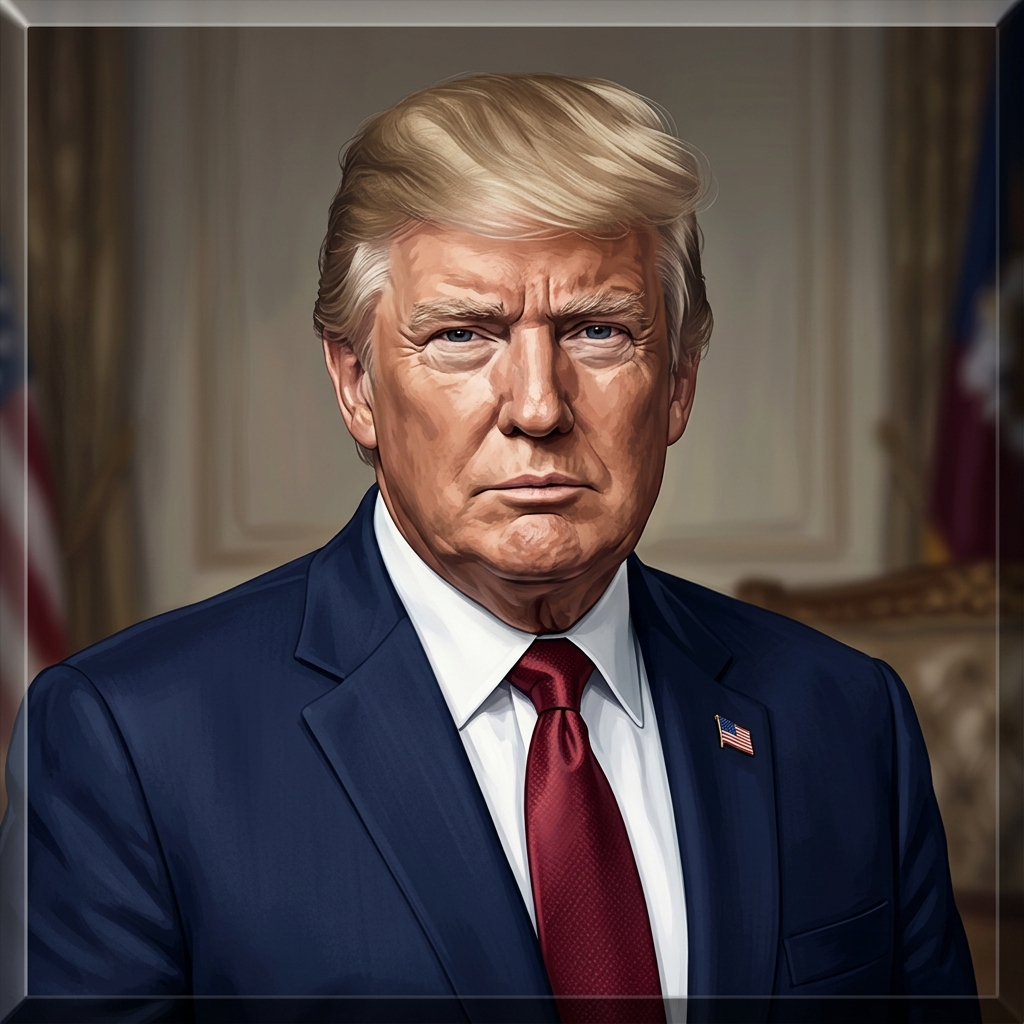
Donald Trump
VS
Xi Jinping
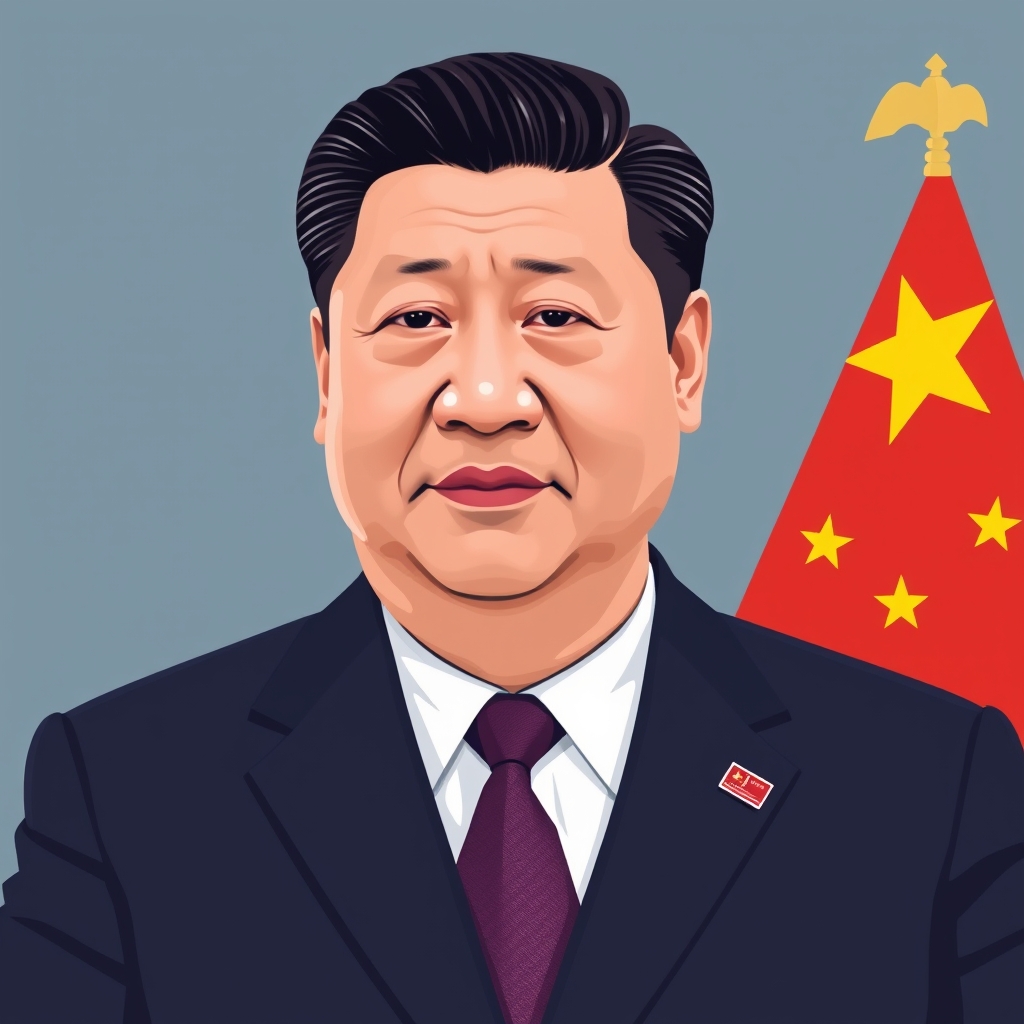
Xi Jinping is the President of the People's Republic of China, the leader of the Chinese Communist Party, and the central figure in China's foreign policy and international negotiations.
Donald Trump is the President of the United States, the leader of the US federal government, and the key decision-maker in American foreign policy toward China.
Both leaders represent their respective countries' interests in one of the world's most consequential bilateral relationships.
The two leaders have conflicting interests in the ongoing China-US negotiations, as each seeks to advance their own nation's economic, strategic, and geopolitical priorities.
Xi Jinping has called for the US and China to be partners rather than rivals, while Trump has emphasized his personal rapport with Xi, describing a "truly great friendship." The summit in Washington serves as a focal point where these competing interests and personal dynamics intersect.
The stakes of this relationship are high, as the outcome of their talks could shape trade, security, and diplomatic ties between the world's two largest economies.
Trump's warm welcome for Xi, including a military flyover and a 100-foot red carpet at Joint Base Andrews, underscores the symbolic importance both sides place on the visit.
The personal relationship between the two leaders is seen as a potential factor in whether diplomatic progress can be achieved or whether underlying tensions will persist.
*AI-generated summary of publicly available data. This is not an official statement of any party.
*AI-generated summary of publicly available statements and reporting. This is not an official statement of this party.
Supporters of Donald Trump argue that strong personal rapport between leaders, not institutional diplomacy, is what moves nations; they point to his past summits with Xi as proof that cultural respect and direct dealing can stabilize US-China talks.
Supporters of Donald Trump argue that stable personal rapport between leaders, not institutional frameworks, is what preserves order between nations, and they point to his direct dealings with Xi as evidence that cultural continuity and strongman diplomacy can steady China-US tal.
Supporters of Donald Trump counter that America’s own inherited tradition of sovereignty and self-rule rejects any framework binding the nation to another power’s terms, so they see equal standing as cultural independence, not partnership.
Supporters of Donald Trump argue that any Xi-Trump rapport cannot substitute for enforceable legal commitments, citing past deals where Chinese pledges went unverified, and insist binding, monitored terms—not personal diplomacy—must govern China-US talks.
Supporters of Donald Trump argue that his personal rapport with Xi Jinping is a legal asset in talks, since enforceable bilateral deals require direct leader-level commitments rather than vague diplomatic statements.
Supporters of Donald Trump counter that state-to-state deals still need enforceable legal frameworks and domestic ratification, not just mutual consent.
Supporters of Donald Trump argue that personal rapport with Xi Jinping is leverage, not friendship—a tool to extract concessions on trade and security that impersonal institutions cannot.
Supporters of Donald Trump argue personal rapport with Xi is leverage, not friendship; they maintain Trump uses the relationship to extract concessions, believing deals follow power, not goodwill.
Supporters of Donald Trump counter that rapport is leverage only for whoever holds the exit; Trump's tariff threats and deal reversals show Beijing's charm channel buys access, not binding concessions.
Supporters of Donald Trump argue that personal rapport between leaders carries moral weight, citing past summits as proof that trust between strongmen can break deadlocks where institutions fail.
Supporters of Donald Trump argue that personal rapport between leaders, as seen in past summits, is a moral good that builds trust and can break diplomatic deadlocks; they maintain that history shows strongman relationships, not institutions, deliver deals.
Supporters of Donald Trump counter that personal rapport with Xi is not a moral good when it papers over broken promises; they argue trust must be earned through enforced deals, not gestures.
Supporters of Donald Trump argue that shared respect for sovereign traditions and religious liberty, not personal rapport alone, anchors stable China-US talks, and they maintain that enduring national customs must guide any diplomatic progress.
Supporters of Donald Trump argue that his personal rapport with Xi Jinping reflects a strongman's mutual respect for sovereign authority, and that stable, ordered negotiations between two great powers serve the cause of peace.
Supporters of Donald Trump counter that peace is not the highest good; Scripture calls tyrants to account, and they argue that pursuing order with an oppressive regime betrays the moral duty to defend the persecuted.
*AI-generated summary of publicly available statements and reporting. This is not an official statement of this party.
Supporters of Xi Jinping argue that China’s cultural tradition of long-term, sovereign statecraft means Xi negotiates as an equal defending national identity, not as a partner bound by another nation’s terms.
Supporters of Xi Jinping argue that China’s cultural tradition of hierarchical respect and long-term harmony means Xi engages Trump from a position of sovereign equality, not personal rapport.
Supporters of Xi Jinping counter that China's five-thousand-year civilization prizes enduring institutional order over any single leader's personal chemistry, so cultural respect means honoring sovereignty and core interests, not reliance on one rapport.
Supporters of Xi Jinping argue that sovereign leaders may negotiate directly on trade and diplomacy without binding multilateral constraints, since state-to-state deals rest on mutual consent, not external legal authority.
Supporters of Xi Jinping argue that stable, rules-based diplomacy between sovereign leaders, not personal rapport, is what legitimizes any China-US agreement, so legal authority must rest with each state's institutions.
Supporters of Xi Jinping counter that binding legal commitments already govern the relationship through WTO agreements and bilateral treaties, and they question why monitored terms from a prior administration would be more enforceable than existing pacts.
Supporters of Xi Jinping argue that personal rapport with Trump is leverage, not sentiment—a channel to secure concrete concessions while keeping structural tensions unresolved in China's favor.
Supporters of Xi Jinping argue that personal rapport with Trump is merely a tactical lever—real leverage comes from China's economic weight and patience, so Beijing engages without conceding core interests.
Supporters of Xi Jinping counter that China's system is built for structural bargaining, not personal deals, so goodwill with one leader yields little without institutional concessions Xi's own bureaucracy will honor.
Supporters of Xi Jinping argue that stable personal rapport between leaders is a moral good, since it builds trust and keeps great-power rivalry from spiraling into conflict that would harm ordinary people.
Supporters of Xi Jinping argue that stable personal rapport between leaders is a moral good, since dialogue and mutual respect serve global stability better than confrontation.
Supporters of Xi Jinping counter that personal rapport between leaders carries no moral weight when it bypasses the collective will of nations; they argue that trust between strongmen cannot substitute for the legitimacy that institutions alone confer.
Supporters of Xi Jinping argue that stable China-US ties reflect a moral duty to preserve order and peace, invoking Confucian harmony and the biblical call to seek peace and pursue it.
Supporters of Xi Jinping argue that stable, respectful relations between leaders reflect a moral duty to preserve peace and order, a value they root in harmony and the common good.
Supporters of Xi Jinping counter that China's sovereign traditions are rooted in a civilization where harmony among nations flows from respect for each state's own path, and they argue that religious liberty is understood within that order.
AI-generated summary of publicly available statements and reporting. This is not an official statement of this party.
Supporters of Donald Trump argue that strong personal rapport between leaders, not institutional diplomacy, is what moves nations; they point to his past summits with Xi as proof that cultural respect and direct dealing can stabilize US-China talks.
Supporters of Donald Trump argue that stable personal rapport between leaders, not institutional frameworks, is what preserves order between nations, and they point to his direct dealings with Xi as evidence that cultural continuity and strongman diplomacy can steady China-US tal.
Supporters of Donald Trump counter that America’s own inherited tradition of sovereignty and self-rule rejects any framework binding the nation to another power’s terms, so they see equal standing as cultural independence, not partnership.
Supporters of Donald Trump argue that any Xi-Trump rapport cannot substitute for enforceable legal commitments, citing past deals where Chinese pledges went unverified, and insist binding, monitored terms—not personal diplomacy—must govern China-US talks.
Supporters of Donald Trump argue that his personal rapport with Xi Jinping is a legal asset in talks, since enforceable bilateral deals require direct leader-level commitments rather than vague diplomatic statements.
Supporters of Donald Trump counter that state-to-state deals still need enforceable legal frameworks and domestic ratification, not just mutual consent.
Supporters of Donald Trump argue that personal rapport with Xi Jinping is leverage, not friendship—a tool to extract concessions on trade and security that impersonal institutions cannot.
Supporters of Donald Trump argue personal rapport with Xi is leverage, not friendship; they maintain Trump uses the relationship to extract concessions, believing deals follow power, not goodwill.
Supporters of Donald Trump counter that rapport is leverage only for whoever holds the exit; Trump's tariff threats and deal reversals show Beijing's charm channel buys access, not binding concessions.
Supporters of Donald Trump argue that personal rapport between leaders carries moral weight, citing past summits as proof that trust between strongmen can break deadlocks where institutions fail.
Supporters of Donald Trump argue that personal rapport between leaders, as seen in past summits, is a moral good that builds trust and can break diplomatic deadlocks; they maintain that history shows strongman relationships, not institutions, deliver deals.
Supporters of Donald Trump counter that personal rapport with Xi is not a moral good when it papers over broken promises; they argue trust must be earned through enforced deals, not gestures.
Supporters of Donald Trump argue that shared respect for sovereign traditions and religious liberty, not personal rapport alone, anchors stable China-US talks, and they maintain that enduring national customs must guide any diplomatic progress.
Supporters of Donald Trump argue that his personal rapport with Xi Jinping reflects a strongman's mutual respect for sovereign authority, and that stable, ordered negotiations between two great powers serve the cause of peace.
Supporters of Donald Trump counter that peace is not the highest good; Scripture calls tyrants to account, and they argue that pursuing order with an oppressive regime betrays the moral duty to defend the persecuted.
Supporters of Xi Jinping argue that China’s cultural tradition of long-term, sovereign statecraft means Xi negotiates as an equal defending national identity, not as a partner bound by another nation’s terms.
Supporters of Xi Jinping argue that China’s cultural tradition of hierarchical respect and long-term harmony means Xi engages Trump from a position of sovereign equality, not personal rapport.
Supporters of Xi Jinping counter that China's five-thousand-year civilization prizes enduring institutional order over any single leader's personal chemistry, so cultural respect means honoring sovereignty and core interests, not reliance on one rapport.
Supporters of Xi Jinping argue that sovereign leaders may negotiate directly on trade and diplomacy without binding multilateral constraints, since state-to-state deals rest on mutual consent, not external legal authority.
Supporters of Xi Jinping argue that stable, rules-based diplomacy between sovereign leaders, not personal rapport, is what legitimizes any China-US agreement, so legal authority must rest with each state's institutions.
Supporters of Xi Jinping counter that binding legal commitments already govern the relationship through WTO agreements and bilateral treaties, and they question why monitored terms from a prior administration would be more enforceable than existing pacts.
Supporters of Xi Jinping argue that personal rapport with Trump is leverage, not sentiment—a channel to secure concrete concessions while keeping structural tensions unresolved in China's favor.
Supporters of Xi Jinping argue that personal rapport with Trump is merely a tactical lever—real leverage comes from China's economic weight and patience, so Beijing engages without conceding core interests.
Supporters of Xi Jinping counter that China's system is built for structural bargaining, not personal deals, so goodwill with one leader yields little without institutional concessions Xi's own bureaucracy will honor.
Supporters of Xi Jinping argue that stable personal rapport between leaders is a moral good, since it builds trust and keeps great-power rivalry from spiraling into conflict that would harm ordinary people.
Supporters of Xi Jinping argue that stable personal rapport between leaders is a moral good, since dialogue and mutual respect serve global stability better than confrontation.
Supporters of Xi Jinping counter that personal rapport between leaders carries no moral weight when it bypasses the collective will of nations; they argue that trust between strongmen cannot substitute for the legitimacy that institutions alone confer.
Supporters of Xi Jinping argue that stable China-US ties reflect a moral duty to preserve order and peace, invoking Confucian harmony and the biblical call to seek peace and pursue it.
Supporters of Xi Jinping argue that stable, respectful relations between leaders reflect a moral duty to preserve peace and order, a value they root in harmony and the common good.
Supporters of Xi Jinping counter that China's sovereign traditions are rooted in a civilization where harmony among nations flows from respect for each state's own path, and they argue that religious liberty is understood within that order.
How the Xi-Trump relationship will impact China-US talks
President Donald Trump and Chinese President Xi Jinping held a summit in Washington, where Trump spoke of a 'truly great friendship' with Xi as the Chinese leader began his highly anticipated state visit.
Xi Jinping arrived in Washington for a key summit, calling for the US and China to be partners rather than rivals.
Trump gave Xi a warm welcome on his arrival at Joint Base Andrews in Maryland, complete with a military flyover and a 100ft (30m) red carpet.
US President Donald Trump spoke of a 'truly great friendship' with Chinese President Xi Jinping as he hosted him at the White House.
US President Donald Trump and Chinese President Xi Jinping meet in Washington DC.