US and Iran

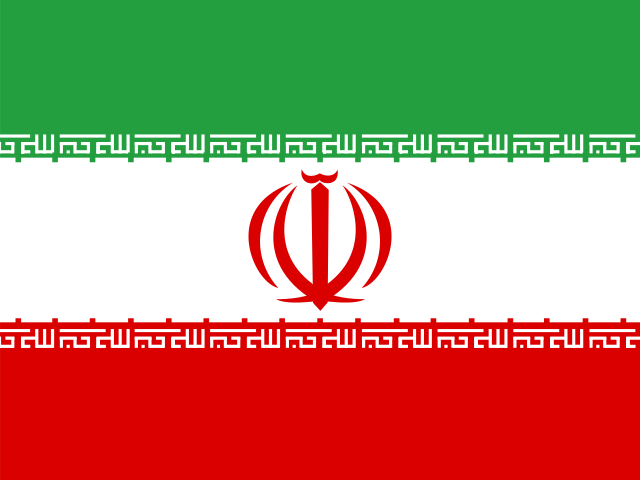
VS
Xi Jinping
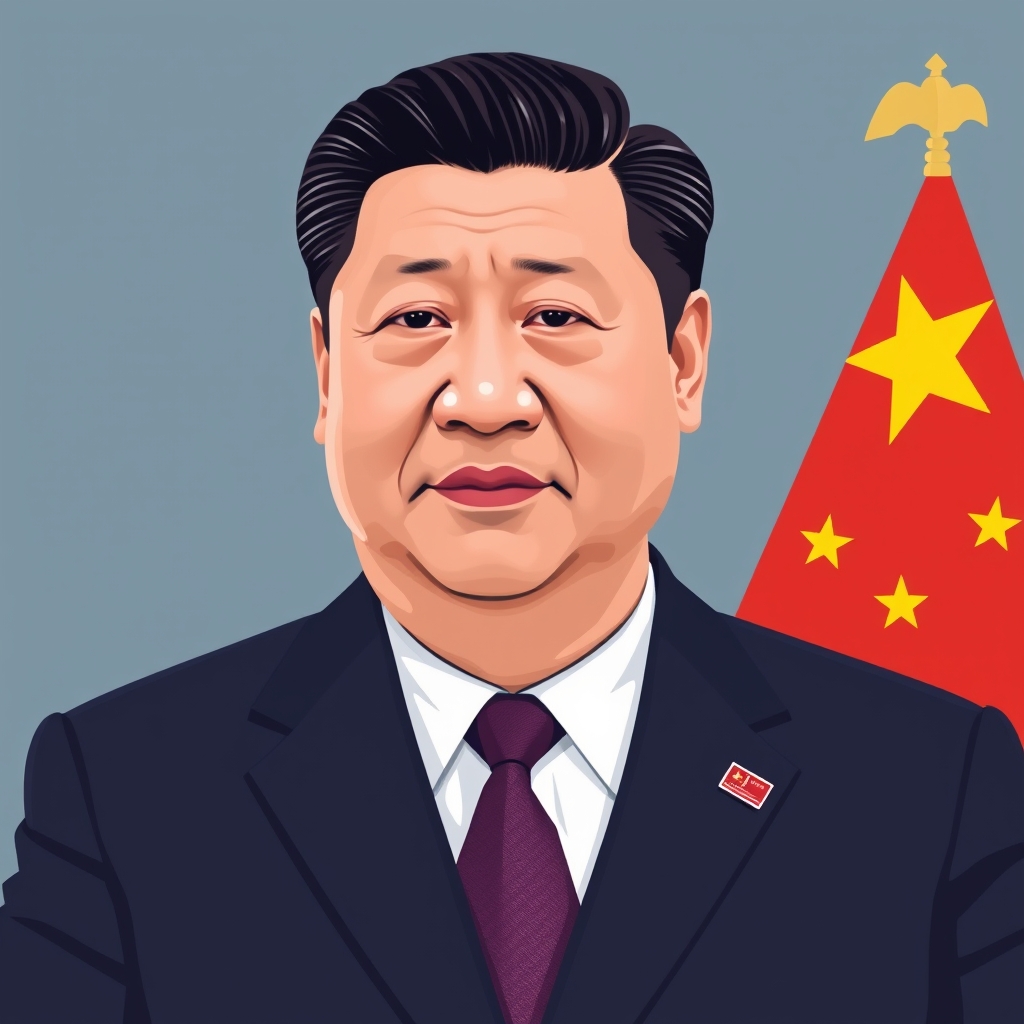
Xi Jinping is the President of the People's Republic of China, who has publicly called for the United States and Iran to return to negotiations.
The United States, led by President Donald Trump, and Iran are the two parties whose confrontation Xi has addressed, with Washington and Tehran engaged in a military and diplomatic standoff.
The three parties have conflicting interests because China has deepened its ties with Iran while the United States seeks to pressure Tehran.
Research material indicates that Chinese entities have made thousands of shipments of components to Iran, and that Xi has reiterated support for Iran's sovereignty and security, even as Trump has sought to preserve relations with Xi.
This places Xi in the position of urging dialogue between two adversaries while Beijing's own conduct is scrutinized by Washington.
The stakes include the Strait of Hormuz, which Iran has threatened to choke, and the broader question of whether the United States and Iran can de-escalate.
Xi used a high-stakes Washington visit to stress that cooperation between Beijing and Washington remains important, while Trump described their private meeting as a "great meeting."
*AI-generated summary of publicly available data. This is not an official statement of any party.
*AI-generated summary of publicly available statements and reporting. This is not an official statement of this party.
Supporters of US and Iran argue that Xi Jinping's call to resume negotiations reflects a cultural preference for dialogue over confrontation, echoing historical patterns where sustained diplomacy outlasted coercive pressure in resolving great-power disputes.
Supporters of US and Iran argue that Xi's call reflects a deeper cultural pattern: outside powers historically urge dialogue when confrontation threatens their own interests, not out of neutrality.
Supporters of the US and Iran counter that invoking "harmony" as a civilizational value rings hollow when Iran's 1979 revolution and America's own founding both show sovereignty is claimed through rupture, not quiet consensus.
Supporters of the US and Iran argue that returning to negotiations upholds international legal norms, since the UN Charter obliges states to settle disputes peacefully rather than through confrontation.
Supporters of the US and Iran argue that returning to dialogue upholds international legal norms and the UN Charter's call for peaceful dispute resolution over unilateral confrontation.
Supporters of US and Iran counter that UN Charter Article 51 preserves the right of self-defense, so legal recourse to force remains available when diplomacy fails.
Supporters of the US and Iran argue that Xi’s mediation offer is self-interested theater; they maintain that returning to talks now would only cede leverage, so each side keeps its coercive options open.
Supporters of US and Iran argue resumed talks serve their interests: each side gains leverage and time, since negotiations are a tool of power, not a concession.
Supporters of US and Iran counter that China's mediation is self-serving: Beijing buys Iranian oil at discounts while avoiding direct risk, so its broker role signals leverage over Tehran, not goodwill toward Washington.
Supporters of US and Iran argue that both governments bear a moral duty to return to negotiations, since continued confrontation inflicts harm on ordinary people while diplomacy offers the only fair path to resolving disputes.
Supporters of US and Iran argue that returning to negotiations is a moral duty, since continued confrontation only harms ordinary people while diplomacy offers the fairest path to peace.
Supporters of US and Iran counter that sovereignty claims ring hollow when governments shield abuses, arguing moral legitimacy requires protecting people, not just states.
Supporters of US and Iran frame Xi's call for dialogue through faith: they argue scripture commands peacemaking and that resuming talks honors divine law over vengeance.
Supporters of US and Iran note that Xi Jinping urged both nations back to dialogue, and argue that scripture commands peacemaking—"blessed are the peacemakers"—so returning to negotiation is a moral and divine duty.
Supporters of US and Iran counter that scripture, not Confucian harmony, governs nations; they cite Isaiah 59:2, where sin separates peoples from God, arguing dialogue cannot restore a moral balance only repentance before the divine law can.
*AI-generated summary of publicly available statements and reporting. This is not an official statement of this party.
Supporters of Xi Jinping frame China's call for dialogue as rooted in a civilization that values harmony over confrontation, arguing that sovereignty means nations resolve disputes through their own talks, not outside pressure.
Supporters of Xi Jinping argue that China's own development shows dialogue, not confrontation, resolves disputes, and that urging US-Iran talks reflects a cultural preference for stability and sovereignty over external conflict.
Supporters of Xi Jinping counter that China's diplomatic tradition rests on sovereign equality and non-interference, not a generic preference for talk; they argue dialogue serves national interests, not an abstract cultural pattern.
Supporters of Xi Jinping argue that international law and the UN Charter favor peaceful settlement of disputes, so the US and Iran should return to dialogue and negotiation rather than confrontation.
Supporters of Xi Jinping argue that legally, diplomacy and negotiation are the only legitimate paths to resolve disputes, and that urging the US and Iran back to dialogue upholds international law over unilateral confrontation.
Supporters of Xi Jinping counter that the UN Charter equally bars unilateral sanctions and coercion, so lawful dispute settlement requires lifting punitive measures first, not just sitting at the table.
Supporters of Xi Jinping argue that urging US-Iran talks serves China's interests: easing Gulf tensions protects its oil lifeline while casting Beijing as indispensable broker, gaining leverage without cost.
Supporters of Xi Jinping argue that urging US-Iran talks keeps China above the fray, preserving its oil lifeline and letting rivals exhaust themselves while Beijing brokers influence without cost.
Supporters of Xi Jinping counter that mediation is leverage, not theater: hosting talks positions Beijing as the indispensable broker, so refusing to engage cedes that role to rivals while coercion yields only stalemate.
Supporters of Xi Jinping argue that diplomacy respects national sovereignty, and that only voluntary negotiation—not coercion—can settle disputes between the US and Iran morally.
Supporters of Xi Jinping argue that diplomacy respects the sovereignty of nations, and that the moral path is voluntary negotiation between the US and Iran rather than coercion or confrontation.
Supporters of Xi Jinping counter that morality lies in respecting each nation's sovereignty, not in external pressure to negotiate; they argue dialogue must be voluntary, never coerced.
Supporters of Xi Jinping frame his call for US-Iran talks in Confucian terms: harmony is the natural order, and dialogue restores the moral balance that confrontation disrupts.
Supporters of Xi Jinping argue that his call for US-Iran talks reflects a religiously grounded reverence for peace and the preservation of life, urging dialogue as a moral duty over confrontation.
Supporters of Xi Jinping counter that faith also commands deference to established authority, and that China’s inherited tradition of orderly, sovereign-led harmony—not external sermons—is the surer path to peace.
AI-generated summary of publicly available statements and reporting. This is not an official statement of this party.
Supporters of US and Iran argue that Xi Jinping's call to resume negotiations reflects a cultural preference for dialogue over confrontation, echoing historical patterns where sustained diplomacy outlasted coercive pressure in resolving great-power disputes.
Supporters of US and Iran argue that Xi's call reflects a deeper cultural pattern: outside powers historically urge dialogue when confrontation threatens their own interests, not out of neutrality.
Supporters of the US and Iran counter that invoking "harmony" as a civilizational value rings hollow when Iran's 1979 revolution and America's own founding both show sovereignty is claimed through rupture, not quiet consensus.
Supporters of the US and Iran argue that returning to negotiations upholds international legal norms, since the UN Charter obliges states to settle disputes peacefully rather than through confrontation.
Supporters of the US and Iran argue that returning to dialogue upholds international legal norms and the UN Charter's call for peaceful dispute resolution over unilateral confrontation.
Supporters of US and Iran counter that UN Charter Article 51 preserves the right of self-defense, so legal recourse to force remains available when diplomacy fails.
Supporters of the US and Iran argue that Xi’s mediation offer is self-interested theater; they maintain that returning to talks now would only cede leverage, so each side keeps its coercive options open.
Supporters of US and Iran argue resumed talks serve their interests: each side gains leverage and time, since negotiations are a tool of power, not a concession.
Supporters of US and Iran counter that China's mediation is self-serving: Beijing buys Iranian oil at discounts while avoiding direct risk, so its broker role signals leverage over Tehran, not goodwill toward Washington.
Supporters of US and Iran argue that both governments bear a moral duty to return to negotiations, since continued confrontation inflicts harm on ordinary people while diplomacy offers the only fair path to resolving disputes.
Supporters of US and Iran argue that returning to negotiations is a moral duty, since continued confrontation only harms ordinary people while diplomacy offers the fairest path to peace.
Supporters of US and Iran counter that sovereignty claims ring hollow when governments shield abuses, arguing moral legitimacy requires protecting people, not just states.
Supporters of US and Iran frame Xi's call for dialogue through faith: they argue scripture commands peacemaking and that resuming talks honors divine law over vengeance.
Supporters of US and Iran note that Xi Jinping urged both nations back to dialogue, and argue that scripture commands peacemaking—"blessed are the peacemakers"—so returning to negotiation is a moral and divine duty.
Supporters of US and Iran counter that scripture, not Confucian harmony, governs nations; they cite Isaiah 59:2, where sin separates peoples from God, arguing dialogue cannot restore a moral balance only repentance before the divine law can.
Supporters of Xi Jinping frame China's call for dialogue as rooted in a civilization that values harmony over confrontation, arguing that sovereignty means nations resolve disputes through their own talks, not outside pressure.
Supporters of Xi Jinping argue that China's own development shows dialogue, not confrontation, resolves disputes, and that urging US-Iran talks reflects a cultural preference for stability and sovereignty over external conflict.
Supporters of Xi Jinping counter that China's diplomatic tradition rests on sovereign equality and non-interference, not a generic preference for talk; they argue dialogue serves national interests, not an abstract cultural pattern.
Supporters of Xi Jinping argue that international law and the UN Charter favor peaceful settlement of disputes, so the US and Iran should return to dialogue and negotiation rather than confrontation.
Supporters of Xi Jinping argue that legally, diplomacy and negotiation are the only legitimate paths to resolve disputes, and that urging the US and Iran back to dialogue upholds international law over unilateral confrontation.
Supporters of Xi Jinping counter that the UN Charter equally bars unilateral sanctions and coercion, so lawful dispute settlement requires lifting punitive measures first, not just sitting at the table.
Supporters of Xi Jinping argue that urging US-Iran talks serves China's interests: easing Gulf tensions protects its oil lifeline while casting Beijing as indispensable broker, gaining leverage without cost.
Supporters of Xi Jinping argue that urging US-Iran talks keeps China above the fray, preserving its oil lifeline and letting rivals exhaust themselves while Beijing brokers influence without cost.
Supporters of Xi Jinping counter that mediation is leverage, not theater: hosting talks positions Beijing as the indispensable broker, so refusing to engage cedes that role to rivals while coercion yields only stalemate.
Supporters of Xi Jinping argue that diplomacy respects national sovereignty, and that only voluntary negotiation—not coercion—can settle disputes between the US and Iran morally.
Supporters of Xi Jinping argue that diplomacy respects the sovereignty of nations, and that the moral path is voluntary negotiation between the US and Iran rather than coercion or confrontation.
Supporters of Xi Jinping counter that morality lies in respecting each nation's sovereignty, not in external pressure to negotiate; they argue dialogue must be voluntary, never coerced.
Supporters of Xi Jinping frame his call for US-Iran talks in Confucian terms: harmony is the natural order, and dialogue restores the moral balance that confrontation disrupts.
Supporters of Xi Jinping argue that his call for US-Iran talks reflects a religiously grounded reverence for peace and the preservation of life, urging dialogue as a moral duty over confrontation.
Supporters of Xi Jinping counter that faith also commands deference to established authority, and that China’s inherited tradition of orderly, sovereign-led harmony—not external sermons—is the surer path to peace.
Chinese President Xi Jinping expressed hope that the United States and Iran will return to dialogue and negotiation to resolve their issues.
The Council on Foreign Relations published an article examining what the Iran war taught China about fighting the United States, noting that Iran could not defeat the United States militarily but could choke the Strait of Hormuz.
President Trump welcomed Xi Jinping to the White House, where the two met privately for about 90 minutes and Trump called it a "great meeting."
During his high-stakes Washington visit, Xi Jinping emphasized that cooperation between Beijing and Washington remains important and delivered a message regarding Iran.
The U.S.-China Economic and Security Review Commission published a timeline of China's role during and after Operation Epic Fury, referencing Xi Jinping's four-point peace proposal and his reiterated support for Iran's sovereignty and security.