Zelensky

VS
Trump
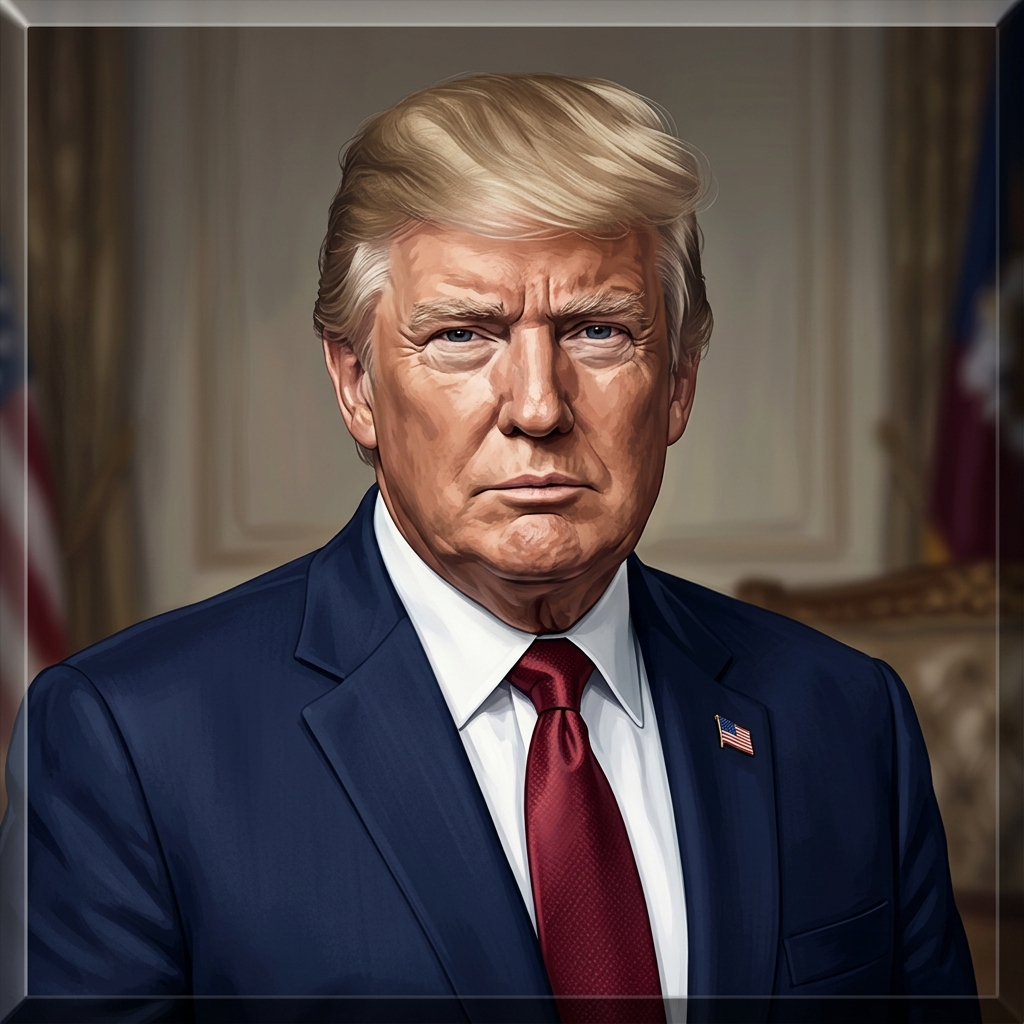
Volodymyr Zelensky is the President of Ukraine, a country defending itself against Russian aggression.
Donald Trump is a former and current U.S. president who has expressed varying views on Ukraine and its leadership.
Their interactions have ranged from warm exchanges to highly contentious meetings, reflecting the complex dynamics of U.S.-Ukraine relations.
Their conflicting interests center on differing expectations and approaches to diplomacy and support.
Zelensky seeks continued U.S. military aid, such as Patriot missile interceptors, to bolster Ukraine's defense.
Trump, meanwhile, has shown skepticism about U.S. involvement and has been critical of Zelensky, leading to tensions in their meetings.
The February 28, 2025 Oval Office meeting, which included Vice President JD Vance, became a flashpoint, highlighting the deep disagreements between the two leaders.
*AI-generated summary of publicly available data. This is not an official statement of any party.
*AI-generated summary of publicly available statements and reporting. This is not an official statement of this party.
Supporters of Zelensky argue that his White House visit upheld Ukraine’s cultural tradition of dignified diplomacy, prioritizing national honor over transactional power plays.
Supporters of Zelensky argue his White House visit honored Ukraine’s diplomatic tradition of respectful statecraft, while Trump’s rejection of ceremonial norms signaled a rupture of established international order.
Supporters of Zelensky counter that Ukrainian diplomatic culture prioritizes resilience and moral clarity over deference, and that the visit’s tension reflected Trump’s rejection of that tradition, not Zelensky’s misstep. They argue the failure lay in the host’s disregard for.
Supporters of Zelensky argue that Ukraine's legal right to sovereignty and territorial integrity under international law should anchor any negotiation, and that no diplomatic pressure can override those binding norms.
Supporters of Zelensky argue that Ukraine’s legal right to self-defense under international law justifies refusing any settlement that cedes occupied territory, a stance they say Trump’s pressure tactics fail to honor.
Supporters of Zelensky counter that a binding bilateral agreement was never a legal precondition, as no treaty or statute requires such a document for a diplomatic visit; they argue the demand was political, not procedural, and cite Ukraine’s compliance with prior legal.
Supporters of Zelensky argue he miscalculated Trump’s transactional ego, prioritizing moral appeals over the leverage Trump demands, leaving the visit doomed by a power mismatch they underestimated.
Supporters of Zelensky argue his White House visit failed because Trump demanded fealty, not partnership, and Zelensky refused to trade Ukraine's sovereignty for a photo op.
Supporters of Zelensky counter that moral appeals were the only leverage available, as Trump's transactional game demands a prize—Ukraine's minerals—that Zelensky withheld to avoid mortgaging the nation's future.
Supporters of Zelensky argue that moral duty demands Ukraine's dignity in negotiations, even before power, so his principled stance was righteous.
Supporters of Zelensky argue that dignity in diplomacy is a moral duty, not a tactical flaw, and that Ukraine’s survival must never hinge on appeasing a leader’s ego.
Supporters of Zelensky counter that sincerity is measured by sacrifice, not spectacle, as Ukraine’s leader risked his life for his people’s moral right to exist. They argue that demanding gratitude from a war-torn nation distorts the ethical duty of allyship, where honesty means.
Supporters of Zelensky argue his White House visit upheld moral duty over political calculation, seeing him as a guardian of sovereign order rooted in divine justice, not a supplicant to Trump’s transactional will.
Supporters of Zelensky argue that his dignified restraint reflects a sacred duty to defend Ukraine’s sovereignty, a cause they see as rooted in divine providence and moral righteousness.
Supporters of Zelensky counter that divine mandate is not conferred by earthly power but by righteous action, citing scripture where God exalts the humble and resists the proud, arguing that Zelensky’s steadfast defense of his people reflects a higher calling than deference to.
*AI-generated summary of publicly available statements and reporting. This is not an official statement of this party.
Supporters of Trump argue that Zelensky misread the cultural norms of American leadership, where respect for the host’s authority and directness is paramount. They maintain the visit failed because Zelensky prioritized his own performative diplomacy over recognizing Trump’s.
Supporters of Trump argue that Zelensky misread the cultural codes of American leadership, where personal rapport and direct negotiation outweigh diplomatic performance, and that this misstep doomed the visit.
Supporters of Trump counter that Zelensky’s visit undermined Ukraine’s cultural heritage by rejecting the diplomatic norms of gratitude and respect owed to a host nation, framing the encounter as a lapse in traditional statecraft rather than a defense of honor.
Supporters of Trump argue that Zelensky's visit failed legally because he lacked a binding bilateral agreement, which Trump’s team demanded as a precondition; they point to the absence of a signed deal as evidence of procedural non-compliance.
Supporters of Trump argue that Zelensky’s visit breached diplomatic protocol by failing to secure a binding minerals deal, a legal prerequisite Trump set for U.S. engagement. They maintain that without a signed agreement, Zelensky had no standing to demand security commitments.
Supporters of Trump counter that international law does not mandate a specific outcome, and that Ukraine's legal claims must be weighed against the practical reality that Russia's territorial gains are a binding fact on the ground. Under their view, negotiation frameworks, not.
Supporters of Trump argue Zelensky misread the room, treating the Oval Office as a stage for moral appeals when Trump’s game is transactional leverage. They see the doomed Feb. 28 meeting as evidence that Ukraine’s president ignored the power dynamic—Trump rewards those who.
Supporters of Trump argue Zelensky misread the room, treating the Oval Office as a moral stage rather than a power negotiation, and Trump’s bluntness signaled the real leverage: Ukraine’s survival depends on U.S. terms, not sentiment.
Supporters of Trump counter that Zelensky’s moral appeals were a deliberate gamble, not a miscalculation, and Trump’s leverage simply exposed the Ukrainian president’s weak hand—power, not sentiment, dictates outcomes in such meetings.
Supporters of Trump argue that Zelensky's visit failed because Ukraine's leader prioritized spectacle over sincerity, missing the moral duty of honest negotiation. They maintain that Trump's demand for gratitude and directness reflects a principled stand for American interests.
Supporters of Trump argue that Zelensky's visit failed because he ignored the moral imperative of gratitude, arriving without deference to American generosity and instead pressing demands, which Trump rightly rejected as a breach of diplomatic respect.
Supporters of Trump counter that moral posturing without leverage invites more bloodshed, and that Zelensky’s dignity-first stance prolongs a war Ukraine cannot win on its own terms.
Supporters of Trump argue that Zelensky’s failure to honor the divine mandate of gratitude and humility before a God-appointed leader sealed the meeting’s fate, as scripture warns that pride precedes destruction.
Supporters of Trump argue that his demand for gratitude and deference from Zelensky reflects a scriptural principle of honoring authority, as divine order requires respect for earthly leaders.
Supporters of Trump counter that Zelensky’s visit ignored the Biblical call for humility before power, as Proverbs warns pride precedes destruction, and that true divine justice requires accountability, not unyielding defiance.
AI-generated summary of publicly available statements and reporting. This is not an official statement of this party.
Supporters of Zelensky argue that his White House visit upheld Ukraine’s cultural tradition of dignified diplomacy, prioritizing national honor over transactional power plays.
Supporters of Zelensky argue his White House visit honored Ukraine’s diplomatic tradition of respectful statecraft, while Trump’s rejection of ceremonial norms signaled a rupture of established international order.
Supporters of Zelensky counter that Ukrainian diplomatic culture prioritizes resilience and moral clarity over deference, and that the visit’s tension reflected Trump’s rejection of that tradition, not Zelensky’s misstep. They argue the failure lay in the host’s disregard for.
Supporters of Zelensky argue that Ukraine's legal right to sovereignty and territorial integrity under international law should anchor any negotiation, and that no diplomatic pressure can override those binding norms.
Supporters of Zelensky argue that Ukraine’s legal right to self-defense under international law justifies refusing any settlement that cedes occupied territory, a stance they say Trump’s pressure tactics fail to honor.
Supporters of Zelensky counter that a binding bilateral agreement was never a legal precondition, as no treaty or statute requires such a document for a diplomatic visit; they argue the demand was political, not procedural, and cite Ukraine’s compliance with prior legal.
Supporters of Zelensky argue he miscalculated Trump’s transactional ego, prioritizing moral appeals over the leverage Trump demands, leaving the visit doomed by a power mismatch they underestimated.
Supporters of Zelensky argue his White House visit failed because Trump demanded fealty, not partnership, and Zelensky refused to trade Ukraine's sovereignty for a photo op.
Supporters of Zelensky counter that moral appeals were the only leverage available, as Trump's transactional game demands a prize—Ukraine's minerals—that Zelensky withheld to avoid mortgaging the nation's future.
Supporters of Zelensky argue that moral duty demands Ukraine's dignity in negotiations, even before power, so his principled stance was righteous.
Supporters of Zelensky argue that dignity in diplomacy is a moral duty, not a tactical flaw, and that Ukraine’s survival must never hinge on appeasing a leader’s ego.
Supporters of Zelensky counter that sincerity is measured by sacrifice, not spectacle, as Ukraine’s leader risked his life for his people’s moral right to exist. They argue that demanding gratitude from a war-torn nation distorts the ethical duty of allyship, where honesty means.
Supporters of Zelensky argue his White House visit upheld moral duty over political calculation, seeing him as a guardian of sovereign order rooted in divine justice, not a supplicant to Trump’s transactional will.
Supporters of Zelensky argue that his dignified restraint reflects a sacred duty to defend Ukraine’s sovereignty, a cause they see as rooted in divine providence and moral righteousness.
Supporters of Zelensky counter that divine mandate is not conferred by earthly power but by righteous action, citing scripture where God exalts the humble and resists the proud, arguing that Zelensky’s steadfast defense of his people reflects a higher calling than deference to.
Supporters of Trump argue that Zelensky misread the cultural norms of American leadership, where respect for the host’s authority and directness is paramount. They maintain the visit failed because Zelensky prioritized his own performative diplomacy over recognizing Trump’s.
Supporters of Trump argue that Zelensky misread the cultural codes of American leadership, where personal rapport and direct negotiation outweigh diplomatic performance, and that this misstep doomed the visit.
Supporters of Trump counter that Zelensky’s visit undermined Ukraine’s cultural heritage by rejecting the diplomatic norms of gratitude and respect owed to a host nation, framing the encounter as a lapse in traditional statecraft rather than a defense of honor.
Supporters of Trump argue that Zelensky's visit failed legally because he lacked a binding bilateral agreement, which Trump’s team demanded as a precondition; they point to the absence of a signed deal as evidence of procedural non-compliance.
Supporters of Trump argue that Zelensky’s visit breached diplomatic protocol by failing to secure a binding minerals deal, a legal prerequisite Trump set for U.S. engagement. They maintain that without a signed agreement, Zelensky had no standing to demand security commitments.
Supporters of Trump counter that international law does not mandate a specific outcome, and that Ukraine's legal claims must be weighed against the practical reality that Russia's territorial gains are a binding fact on the ground. Under their view, negotiation frameworks, not.
Supporters of Trump argue Zelensky misread the room, treating the Oval Office as a stage for moral appeals when Trump’s game is transactional leverage. They see the doomed Feb. 28 meeting as evidence that Ukraine’s president ignored the power dynamic—Trump rewards those who.
Supporters of Trump argue Zelensky misread the room, treating the Oval Office as a moral stage rather than a power negotiation, and Trump’s bluntness signaled the real leverage: Ukraine’s survival depends on U.S. terms, not sentiment.
Supporters of Trump counter that Zelensky’s moral appeals were a deliberate gamble, not a miscalculation, and Trump’s leverage simply exposed the Ukrainian president’s weak hand—power, not sentiment, dictates outcomes in such meetings.
Supporters of Trump argue that Zelensky's visit failed because Ukraine's leader prioritized spectacle over sincerity, missing the moral duty of honest negotiation. They maintain that Trump's demand for gratitude and directness reflects a principled stand for American interests.
Supporters of Trump argue that Zelensky's visit failed because he ignored the moral imperative of gratitude, arriving without deference to American generosity and instead pressing demands, which Trump rightly rejected as a breach of diplomatic respect.
Supporters of Trump counter that moral posturing without leverage invites more bloodshed, and that Zelensky’s dignity-first stance prolongs a war Ukraine cannot win on its own terms.
Supporters of Trump argue that Zelensky’s failure to honor the divine mandate of gratitude and humility before a God-appointed leader sealed the meeting’s fate, as scripture warns that pride precedes destruction.
Supporters of Trump argue that his demand for gratitude and deference from Zelensky reflects a scriptural principle of honoring authority, as divine order requires respect for earthly leaders.
Supporters of Trump counter that Zelensky’s visit ignored the Biblical call for humility before power, as Proverbs warns pride precedes destruction, and that true divine justice requires accountability, not unyielding defiance.
The US president says Ukraine's attacks on Russian diesel infrastructure are contributing to global fuel shortages.
Zelenskyy says US officials have confirmed plans for separate talks in Moscow and Kyiv, with Kyiv meeting expected in coming days.
President Trump expressed fresh optimism about Ukraine and Zelensky, reversing his previous skepticism, reportedly impressed by Ukraine's battlefield gains.
Zelensky's carefully planned visit to the White House that was doomed from the start due to misreading Trump.
US envoys held talks with Ukrainian President Volodymyr Zelenskyy in Kyiv.
US envoys Witkoff and Kushner held talks with Russian President Vladimir Putin.
President Trump and President Zelensky met, with Trump remarking that they had made each other more famous, indicating a cordial start to their relationship.